
Moving Containers
Recommendation
Moving Container Reviews
Recommendation
Truck Rentals Reviews
Storage Recommendations
Storage Review
Junk Removal Recommendations
Junk Removal Reviews
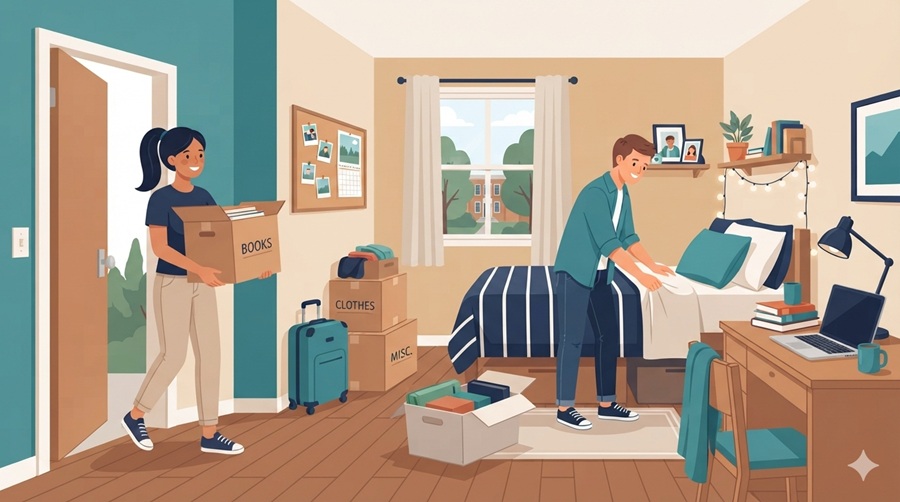

Moving into a college dorm is an exciting milestone, but getting everything ready can take more planning than students and families expect. Between packing essentials, coordinating transportation, understanding residence hall rules, and managing move-in schedules, even a straightforward relocation can become stressful without a clear plan.
A successful college move-in day starts well before arriving on campus. Knowing what to bring, what to leave at home, how to organize your belongings, and how to handle arrival-day logistics makes the transition into college life much easier. With the right preparation, students can spend less time dealing with boxes and more time settling into their new surroundings.
The key to a smooth college move-in day is preparation, not perfection. Students do not need to bring everything they own or have their dorm fully decorated within a few hours. They need a realistic plan, the right supplies, and a clear understanding of what their new residence provides.
Start by reviewing the college’s housing information, including room dimensions, approved appliances, guest policies, and arrival procedures. Some residence halls provide beds, desks, and wardrobes, while others have different arrangements. Confirming these details prevents unnecessary purchases and last-minute packing decisions.
Students moving across state lines should also plan transportation and delivery carefully. Reviewing the best interstate moving companies can help families compare service options, pricing, and experience before choosing a provider for a longer relocation.
A practical timeline turns a large relocation into smaller, manageable tasks. Rather than leaving everything until the final weekend, spread preparation across several weeks.
Begin with the essentials:
This is also the right time to coordinate with your roommate. Sharing information about bedding colors, storage bins, cleaning supplies, and approved appliances can prevent duplicate purchases.
Start organizing clothes, books, electronics, and other belongings. Donate or sell items you no longer need, and separate anything that must travel with you rather than inside a moving vehicle.
Prepare a college packing list that reflects your actual dorm setup. Keep it flexible enough to accommodate housing rules, climate, travel distance, and personal needs.
Finish most packing, label containers, and confirm your transportation arrangements. Check the weather forecast and pack suitable clothing for the first few days.
Review your college move-in day schedule, including parking instructions, unloading locations, elevator reservations, and any check-in requirements. Keep confirmation emails accessible on your phone.
A well-organized college move-in day begins with bringing the right items rather than the greatest number of items. Dorm rooms are often compact, and excessive belongings can quickly make shared spaces uncomfortable.
Confirm mattress dimensions before buying sheets. Twin XL bedding is common in college residences, but specifications vary by institution.
Pack the following as appropriate:
Choose items that serve a purpose and fit the room. Collapsible organizers, under-bed containers, and multipurpose accessories can save valuable space.
Bring everyday clothing suited to the local climate, along with comfortable shoes, sleepwear, outerwear, and a few formal outfits. Avoid packing an entire wardrobe before understanding the available storage.
Personal care supplies should include toiletries, a toothbrush, toothpaste, deodorant, shower shoes, and any other daily necessities. Students who use prescription medication should keep it securely stored and accessible.
Most students need a laptop, chargers, headphones, notebooks, pens, and other course-specific materials. Check whether textbooks, laboratory equipment, or specialist supplies can be purchased after receiving the class schedule.
Bring a power strip only when permitted by residence hall policy. Never assume that extension cords, portable heaters, cooking devices, or other electrical appliances are allowed.
A detailed college packing checklist should distinguish essential items from optional purchases so students can prioritize what they genuinely need.
Transportation decisions depend on distance, the amount of luggage, available family vehicles, and the college’s unloading arrangements.
Students attending a nearby institution may be able to transport belongings in a family car. Those traveling several hundred miles may benefit from shipping selected boxes, renting a suitable vehicle, or arranging professional moving services.
Before booking a service, consider the total cost, delivery schedule, insurance or valuation coverage, and restrictions on pickup or unloading.
For students relocating with furniture or several large containers, professional assistance may simplify the process. Those transporting only clothing, bedding, and electronics might find a smaller vehicle or parcel delivery more practical.
Read a college moving services comparison before deciding which arrangement suits your budget and timeline.
Book early during peak summer moving periods, when many families are preparing for the same academic calendar. Ask providers for written estimates and clarify whether stairs, long carries, waiting time, or additional handling may affect the final price.
Never place essential documents, valuables, or immediately needed medication in a shipment that might arrive later.
Keep identification, housing confirmation, financial documents, your phone, chargers, and other important items in a personal bag. This small precaution makes college move-in day easier to manage when unexpected delays occur.
College expenses extend beyond tuition and housing. Packing materials, transportation, storage, room supplies, and unexpected purchases can add up quickly.
Prepare a budget before shopping, and distinguish between necessities and items that can wait until after arrival.
Use sturdy containers you already own, borrow suitable moving equipment, and compare prices before purchasing new dorm accessories. Coordinate shared purchases with your roommate rather than buying duplicate items.
Ask retailers, transportation providers, and campus bookstores about available students discounts and eligibility requirements. Student offers vary, so check the terms and compare the final price rather than assuming a promotion is automatically the cheapest option.
Some products are easier to purchase after arriving, particularly cleaning supplies, snacks, hangers, and bulky everyday necessities. Waiting can also help you understand how much storage space is available.
A simple college move in checklist can identify what must be packed at home, what can be purchased locally, and what the college already provides.
Dorm rooms frequently combine sleeping, studying, dressing, and relaxing in one compact area. Organization matters because every unnecessary item takes up room that could be used more effectively.
Choose foldable laundry bags, stackable containers, and organizers that serve multiple purposes. Keep frequently used items within reach, and store seasonal clothing separately when space is limited.
Avoid packing large decorative pieces before seeing the room. A few personal touches can make the space welcoming without creating clutter.
Contact your roommate before purchasing shared essentials. Agree on who will bring approved items such as a wastebasket, cleaning products, or a small refrigerator when permitted.
Discuss quiet hours, overnight guests, cleaning responsibilities, and shared storage early. These conversations help establish expectations and make the transition to communal living more comfortable.
For students who need additional room for seasonal belongings or furniture, understanding why college students benefit from a self storage unit can help determine whether temporary storage is worth considering.
A little structure makes college move-in day less hectic, particularly when several residence halls are accepting students at the same time.
Leave enough time for traffic, parking, and check-in. Keep your housing confirmation and identification ready, and follow instructions from campus staff.
Some colleges use designated unloading areas where vehicles can stop briefly before moving to a longer-term parking location. Follow these procedures rather than blocking access for other families.
Start with bedding, toiletries, clothing, electronics, and the supplies needed to make the room functional. Place heavier containers near their intended storage areas so they do not need to be moved repeatedly.
A useful strategy is to prepare a first-night bag containing a change of clothes, sleepwear, personal care products, chargers, water, and essential documents. Keep this bag separate from the rest of your belongings.
Check the mattress, furniture, windows, doors, outlets, and visible fixtures. Photograph existing damage and report maintenance concerns to residence hall staff.
This step creates a record of the room’s condition before personal belongings cover surfaces or furniture is rearranged.
Traveling to an out-of-state university requires additional planning. Students may need to coordinate flights, road trips, shipping, overnight accommodation, and the timing of deliveries.
Verify arrival dates, transportation bookings, luggage allowances, and any restrictions on delivery vehicles. Build a reasonable buffer into the itinerary so a delayed flight or traffic congestion does not disrupt check-in.
Students traveling by air should consider shipping bulky, nonessential items in advance only after confirming the delivery address, receiving arrangements, and expected arrival date with the college.
For more detailed preparation, review these college moving tips before finalizing a long-distance relocation.
A gap between travel dates and housing availability can create a practical problem. Short-term storage may help when students arrive early, need to reduce luggage, or cannot move all their belongings into the dorm immediately.
Compare access hours, security features, rental terms, and total costs before selecting a facility. Keep important documents, medication, and items needed immediately outside storage.
The best moving & storage solutions for college students can provide a starting point for comparing arrangements that combine transportation flexibility with extra space.
Once the major boxes are inside, resist the urge to unpack everything at once. Focus on creating a comfortable and functional room before worrying about decorative details.
Make the bed, unpack toiletries, organize clothing, and establish a place for your laptop and study materials. Check that your devices charge properly and learn how to connect to the campus network.
Locate shared bathrooms, laundry facilities, dining areas, emergency exits, and the residence hall office. Knowing where these facilities are located makes the first week easier.
Set aside time for meals, sleep, laundry, and studying. Keep frequently used belongings in consistent places, and remove packaging as you unpack to prevent clutter from building up.
A successful college move-in day is not measured by how quickly every box disappears. The real goal is to create a practical living environment that supports academic work, personal comfort, and independence.
Attend orientation activities, introduce yourself to neighbors, and ask residence hall staff about campus resources. Explore nearby grocery stores, pharmacies, public transportation, and other essential services.
Students who feel uncertain during the first few days should remember that adjustment takes time. Building a routine and connecting with classmates can make a new environment feel familiar.
Even a well-planned relocation can become unnecessarily difficult when small details are overlooked.
Keep the college move-in day plan simple, flexible, and focused on the tasks that matter most. A manageable schedule is more useful than an overly detailed plan that leaves no room for delays.
Before leaving home, complete a final review of your arrangements. Check that transportation is confirmed, the room assignment is accessible, essential belongings are packed, and important documents are secure.
Use this quick review to catch anything that may have been missed:
With these steps completed, college move-in day becomes easier to navigate, even when the campus is crowded or the schedule changes unexpectedly.
Preparing for college is easier when students approach the move in stages. Confirm housing arrangements early, pack according to actual needs, establish a realistic budget, and plan transportation before arrival.
A thoughtful college move-in day plan leaves more time to settle in, meet new people, and begin the academic year with confidence. Focus on essentials first, stay flexible when plans change, and remember that a comfortable dorm takes shape over time rather than in a single afternoon.
Bring bedding, clothing, toiletries, academic supplies, electronics, essential documents, and any additional items required by your residence hall.
Starting two to four weeks before arrival gives most students time to organize belongings, compare transportation options, and finish packing without rushing.
Reduce unnecessary belongings, reuse packing supplies, coordinate shared purchases, and compare transportation costs before making reservations.
Professional movers may be useful for long-distance relocations or larger loads, while students with fewer belongings may prefer personal vehicles or shipping services.
Start with bedding, toiletries, clothing, chargers, medications, and the supplies needed to sleep comfortably and prepare for the next day.
