
Moving Containers
Recommendation
Moving Container Reviews
Recommendation
Truck Rentals Reviews
Storage Recommendations
Storage Review
Junk Removal Recommendations
Junk Removal Reviews


Moving a car across the country doesn’t have to be complicated. Whether you’re relocating for work, buying a vehicle online, heading to college, or planning a seasonal move, professional auto transport can save time, reduce stress, and protect your vehicle from unnecessary wear.
Today’s drivers want more than just shipping. They want reliability, transparent pricing, flexible scheduling, and peace of mind throughout the journey. That’s exactly why modern auto transport services have become such an important part of long-distance moving.
If you’ve been wondering how to move your vehicle safely and efficiently, this guide walks you through everything you need to know — from choosing the right carrier to preparing your car for pickup and delivery.
Driving hundreds or even thousands of miles may sound manageable at first. But once you factor in fuel costs, hotel stays, food, time off work, and vehicle depreciation, the numbers add up quickly.
Professional vehicle shipping offers a practical alternative. Instead of putting mileage and stress on your car, a licensed carrier handles the transportation while you focus on your move.
For families coordinating a full relocation, working with one of the best interstate moving and storage companies can simplify the process even further by combining moving and vehicle logistics under one plan.
People use vehicle transport services for many different situations, including:
No matter the reason, the goal is usually the same: get the vehicle delivered safely and on time.
The process is more straightforward than many people expect. Once you understand the basic steps, planning your shipment becomes much easier.
Transport companies typically provide pricing based on:
Understanding average car shipping costs ahead of time helps you set realistic expectations and avoid surprise charges later.
Not all carriers operate the same way. Some specialize in standard open transport, while others focus on luxury or enclosed shipping.
When comparing providers, look for:
Reliable companies are upfront about schedules, policies, and possible delays.
Once booked, the carrier coordinates a pickup window. Most companies provide a range rather than an exact time because routes depend on traffic, weather, and multiple deliveries.
During pickup, the driver inspects your vehicle and documents its condition in a Bill of Lading.
Your vehicle is loaded onto a transport trailer and moved toward its destination. During transit, many customers appreciate the ability to track your vehicle during the auto transport so they can monitor progress and prepare for delivery.
At delivery, you’ll inspect the vehicle again and compare it to the original inspection report. Once everything is confirmed, the shipment is complete.
One of the biggest decisions during booking is choosing between open and enclosed shipping.
Open carriers are the most common and affordable option. Vehicles are transported on multi-car trailers similar to those used by dealerships.
Benefits include:
This method works well for most standard vehicles.
Enclosed shipping protects vehicles inside covered trailers.
This option is ideal for:
Although it costs more, enclosed transport offers extra protection from weather and road debris.
Several factors influence transport rates throughout the year.
Longer trips naturally cost more overall, though shorter routes may have a higher cost-per-mile rate.
Popular interstate corridors are often cheaper because carriers frequently operate on those routes.
Larger vehicles occupy more trailer space and increase carrier fuel consumption.
SUVs, trucks, and vans typically cost more to transport than compact sedans.
Summer is usually the busiest season for relocations, while snowbird travel increases demand during fall and spring.
Booking early often helps secure better rates.
Urban areas are easier for large transport trucks to access. Rural locations sometimes require additional coordination or fees.
A little preparation can make the shipping process smoother and help avoid delays.
Wash the exterior before pickup. A clean car makes it easier to identify and document any existing scratches or dents.
Most carriers discourage leaving belongings inside the vehicle because insurance policies typically do not cover personal items.
Ensure the battery is charged, tires are inflated, and there are no serious mechanical problems.
A quarter tank of gas is usually recommended. This reduces vehicle weight while still allowing loading and unloading.
Turn off any active alarm systems to avoid disruptions during transit.
Delivery timelines depend on distance, route conditions, weather, and carrier schedules.
Here are general estimates:
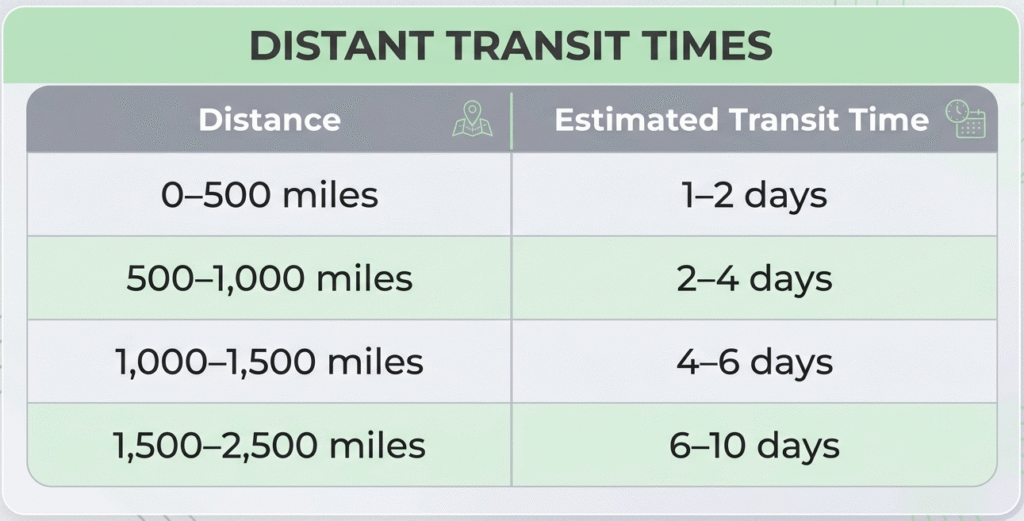
Unexpected delays can happen, especially during peak seasons or severe weather conditions.
Finding a trustworthy transport provider matters just as much as preparing your vehicle. When comparing different auto transport companies, it’s important to look beyond pricing alone. A reliable provider should offer proper licensing, insurance coverage, transparent communication, and realistic delivery timelines to ensure your vehicle arrives safely.
Legitimate carriers should have active FMCSA registration and adequate cargo insurance coverage.
Always request proof before booking.
Look for consistent feedback regarding:
A strong reputation usually indicates dependable service.
Before signing, review:
Avoid companies that refuse to explain contract details clearly.
Even the best carriers rely on proper coordination. These simple steps help reduce stress during the process.
Last-minute scheduling often limits carrier availability and increases pricing.
Flexible pickup windows can improve carrier options and potentially reduce costs.
Take detailed photos before shipment from multiple angles.
Have registration and identification ready during pickup and delivery.
Most professional carriers include insurance coverage during transit, but coverage limits can vary.
Ask questions such as:
Knowing the details beforehand provides additional peace of mind.
Vehicle transportation has evolved significantly over the past decade. Online car buying, remote work, and cross-country relocation trends have increased demand nationwide.
Many customers now prioritize convenience over long-distance driving, especially when balancing family moves, tight schedules, or multiple vehicles.
As competition grows, the best providers continue improving customer communication, scheduling flexibility, and shipment tracking technology.
That’s why many drivers now actively compare cheap auto transport services before selecting a provider that fits both their timeline and budget.
Timing can impact both availability and pricing.
Peak moving season often means higher demand and slightly elevated pricing.
Weather delays are more common in northern states, but some routes may offer lower rates.
These transitional seasons often provide a good balance between pricing and carrier availability.
Planning ahead remains the best strategy regardless of season.
Modern transport providers now offer tools that make shipping far more convenient than it was years ago.
Customers can receive:
These upgrades help make the entire experience more transparent and predictable.
Today, many consumers searching for the best auto transport services prioritize real-time updates and responsive communication just as much as pricing.
The answer depends on your situation.
Driving may work for shorter distances if you have extra time and only one vehicle.
However, shipping often becomes the better option when:
For many people, learning how to ship your car to another state ultimately saves time, stress, and unnecessary vehicle wear.
Vehicle shipping has become one of the most efficient ways to manage long-distance transportation. With the right planning and a reputable carrier, the process can feel surprisingly simple.
From understanding pricing factors to preparing your car properly, every step contributes to a smoother experience. Whether you’re relocating permanently, purchasing a vehicle online, or coordinating a seasonal move, professional transport services provide flexibility and convenience that long road trips simply can’t match.
If you’re ready to simplify your move, it may be time to ship your car now and let experienced professionals handle the logistics while you focus on the bigger picture.
Booking 1–2 weeks ahead is recommended for better pricing and scheduling flexibility.
Most licensed carriers include insurance coverage during shipment.
Most companies recommend removing personal belongings before transport.
Yes, severe weather can occasionally delay pickup or delivery schedules.
Open carrier transport is usually the most affordable shipping option.
