
Moving Containers
Recommendation
Moving Container Reviews
Recommendation
Truck Rentals Reviews
Storage Recommendations
Storage Review
Junk Removal Recommendations
Junk Removal Reviews

Moving cross country is a major life change, whether you’re relocating for a new job, moving closer to family, or looking for a better place to live. Unlike a local move, a long-distance relocation requires more planning because you need to think carefully about transportation, your vehicle, moving costs, packing, and how your belongings will get to your new home.
The good news is that you have several options when planning a cross-country move. You can drive your own car, tow a trailer, rent a cargo trailer, ship your vehicle, use a moving truck, or choose a portable moving container that allows you to travel separately from your belongings.
The right choice depends on your budget, the amount of furniture you’re moving, how many vehicles you have, and how involved you want to be in the move. Some options are ideal for small moves, while others are better suited to families relocating an entire household.
Before you start packing, it’s also worth understanding what to consider before renting a moving truck. Comparing your options early can help you avoid unnecessary expenses and make the entire relocation easier to manage.
There isn’t one perfect transportation method for every cross-country move. The best option depends on the size of your household, the distance you’re traveling, your budget, and how much control you want over the moving process.
For example, a person moving from one apartment to another may be able to drive their own car with a small trailer. A family moving from a three-bedroom home may need a larger moving truck or portable storage container.
Here are some of the most common ways to move across the country:
Drive your own vehicle
Tow a utility or cargo trailer
Rent a moving truck
Ship your car or motorcycle
Use a portable moving container
Hire professional movers
Combine different moving methods
Taking the time to compare these options can help you find a solution that balances convenience, cost, and the amount of work you’re willing to handle yourself.
Driving your own vehicle is one of the simplest ways to handle a cross-country move, especially if you’re relocating with only a limited number of belongings.
Your car is already familiar to you, and you don’t have to worry about learning how to operate an unfamiliar rental vehicle. You can also plan your route, choose your stops, and travel at your own pace.
This approach works particularly well for people moving out of a dorm, apartment, or small home. If you don’t have much furniture, you may be able to fit your belongings directly into your vehicle and avoid renting a larger moving truck.
However, driving your own car across the country also comes with some considerations. You’ll need to account for fuel, lodging, meals, tolls, and the additional mileage placed on your vehicle.
Before leaving, inspect your tires, brakes, fluids, battery, and other essential components. A basic maintenance check can reduce the chance of dealing with an unexpected breakdown during your trip.
If you’re moving with a family, you may also need to consider whether your vehicle has enough space for passengers and belongings. Overloading a car can make a long drive uncomfortable and may create safety issues.
If your vehicle doesn’t have enough storage space for everything you’re bringing, towing a trailer can provide additional capacity without requiring you to drive a large moving truck.
This can be a practical option for people who are comfortable driving a vehicle with a trailer attached. Before choosing this method, however, make sure your vehicle is rated to tow the trailer and that you understand the applicable towing requirements.
For those considering a rental trailer, U-Haul’s moving truck and trailer options include several sizes designed for different types of moves.
Utility trailers are useful when you’re transporting large, tall, or unusually shaped items that may not fit inside an enclosed trailer.
Common options include:
4×7 Utility Trailer
5×8 Utility Trailer
5×9 Utility Trailer with a Ramp
6×12 Utility Trailer with or without a Ramp
One advantage of an open utility trailer is the flexibility it provides for transporting bulky items. Heavy-duty tie-down points can also help secure your belongings during the trip.
Because the cargo is exposed, you’ll need to protect furniture and other possessions from rain, dust, road debris, and changing weather conditions. Properly securing and covering your load is essential for a long-distance trip.
A utility trailer can be a good choice when you’re moving large items but don’t need the protection of a fully enclosed cargo space.
If protecting your belongings from the weather is a priority, an enclosed cargo trailer may be a better option than an open utility trailer.
Cargo trailers provide a covered storage area with lockable doors, helping protect your possessions from rain, dirt, road grime, and other outdoor elements during a long-distance relocation.
Common cargo trailer sizes include:
4×8 Cargo Trailer
5×8 Cargo Trailer
6×12 Cargo Trailer
The right size depends on how much you’re moving. A smaller cargo trailer may be enough for a dorm room or studio apartment, while a larger option may accommodate belongings from several rooms.
An enclosed trailer also offers an added layer of security when you stop for gas, food, or overnight accommodations. Even so, you should always take reasonable precautions and avoid leaving valuable items unattended.
Before choosing a trailer, make a realistic inventory of your belongings. Measure larger furniture and appliances to ensure everything will fit. It is usually better to discover that you need more space before moving day than after you’ve already picked up the trailer.

Driving your vehicle across the country isn’t always the most practical option. The trip can add significant mileage and wear to your car, while fuel, hotels, meals, and travel time can increase the overall cost of the relocation.
Vehicle transportation can be an alternative for people who want to avoid a long road trip.
Depending on your circumstances, you may be able to use a vehicle transport service or a trailer designed to carry your car or motorcycle. This allows you to focus on getting yourself and your household to your destination without putting thousands of additional miles on your personal vehicle.
Motorcycle owners may also have specialized options that make loading and securing a bike easier. Features such as ramps, wheel chocks, and heavy-duty tie-down points can help keep the motorcycle stable during transportation.
Before arranging vehicle transportation, document the condition of your vehicle. Take photographs of the exterior, note any existing damage, and remove personal belongings unless the transportation provider specifically allows them.
It’s also important to understand the pickup and delivery process. Some vehicle transport services provide door-to-door delivery, while others may require you to meet the driver at a designated location.
If you’re trying to determine your potential transportation budget, researching how much car shipping can cost can help you understand the factors that may affect pricing.
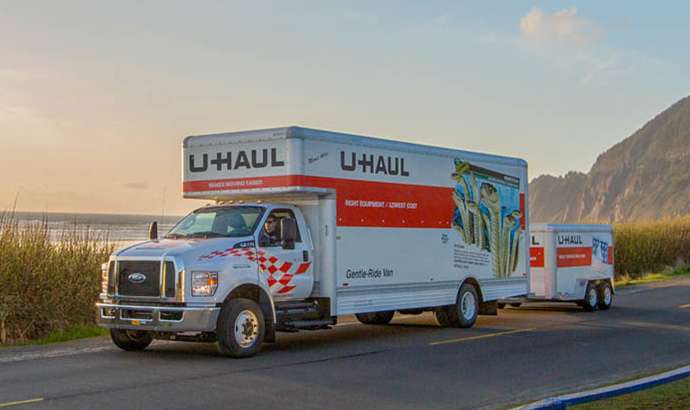
For a larger household, renting a moving truck can be one of the most straightforward ways to transport furniture, appliances, boxes, and other possessions across the country.
Instead of making multiple trips in a personal vehicle, you can load your household into one truck and drive directly to your new destination.
Truck sizes vary, so selecting the right vehicle is important. A truck that’s too small may force you to leave belongings behind or make multiple trips. A truck that’s unnecessarily large may be more difficult to drive and could increase your moving costs.
Common moving truck sizes include:
10-foot truck
15-foot truck
20-foot truck
26-foot truck
The appropriate size depends on the number of rooms you’re moving and how much furniture you own.
When planning a DIY cross-country move, remember that the rental price isn’t necessarily your only expense. You may also need to budget for fuel, insurance or protection plans, lodging, meals, tolls, moving supplies, and additional equipment.
If you’re not comfortable driving a large truck, you may also want to consider hiring professional movers to handle the transportation and heavy lifting.
Not everyone wants to spend several days behind the wheel. A cross-country road trip can be tiring, particularly when you’re driving a large rental truck while managing a household move.
If you’d rather travel separately from your possessions, a portable moving container can offer a more flexible alternative.
Portable moving containers allow you to load your belongings into a storage container while making your own travel arrangements.
With this approach, you can drive or fly to your new destination while your possessions are transported separately. This can be especially convenient for people who don’t want to drive a moving truck hundreds or thousands of miles.
A container-based move can also provide more flexibility around your moving schedule. Depending on the service and availability, you may have time to load your belongings at your own pace rather than completing everything within a single rental day.
For people moving internationally, container-based transportation may also be an option depending on the destination and available services. Understanding U-Haul money-saving tips and options can help you evaluate ways to keep your overall moving expenses under control.
Before choosing this method, confirm the container dimensions, delivery schedule, storage terms, and final delivery process. You should also check whether the service is available at both your current and new locations.
If convenience is your top priority, hiring professional movers can take much of the physical work out of a cross-country relocation.
Depending on the company and service package, professional movers may handle packing, loading, transportation, unloading, and even unpacking.
This can be particularly helpful for families, older adults, people with demanding work schedules, or anyone who doesn’t want to spend several days driving a moving truck.
The biggest consideration is cost. A full-service move typically costs more than handling the transportation yourself. However, it’s important to consider the value of your time and the physical effort involved.
When comparing professional movers, look beyond the initial quote. Check what’s included in the price and ask about potential additional charges for stairs, long carries, packing materials, storage, or changes to the moving schedule.
Getting multiple estimates can also help you understand the going rate for your specific move.
You don’t necessarily have to choose only one transportation method.
A hybrid move can sometimes provide the best balance between convenience and cost. For example, you could drive your personal vehicle while using a portable container for furniture and household items.
Another option is to tow a trailer behind your vehicle while shipping a second vehicle separately. Someone moving a small household might even drive their car and send larger furniture through a moving service.
Combining methods allows you to tailor your move around your specific needs. The key is to calculate the total cost and logistics before committing.
Make a list of every major expense, including:
Moving or transportation fees
Fuel
Hotels
Meals
Tolls
Packing supplies
Insurance
Storage
Vehicle transportation
Professional labor
A cheaper option on paper isn’t always cheaper once all additional expenses are included.
The best moving method depends on several factors.
The amount of stuff you own should be one of the first things you evaluate.
Someone moving from a studio apartment may only need a car and small trailer. A family moving from a large home may require a 20- or 26-foot truck, multiple containers, or a full-service moving company.
Take inventory before making a decision. Getting rid of items you no longer need can reduce the amount of space you require and potentially lower your moving costs.
Your available budget will also influence your decision.
DIY options can reduce labor expenses, but you may take on more responsibility for driving, loading, unloading, and planning. Professional services can save time and effort but may cost more upfront.
Create a complete moving budget before selecting a transportation method. Include expenses that are easy to overlook, such as meals, overnight stays, fuel, and packing supplies.
Some people prefer to handle everything themselves. Others would rather pay for convenience.
If you enjoy road trips and don’t mind loading your belongings, driving a rental truck may be a good fit. If you’d rather focus on your new home and avoid the physical work, professional movers or portable containers may be more appealing.
Your personal preference matters because a move is already stressful enough without choosing a method that doesn’t fit your lifestyle.
Your moving date can also affect your options.
If you have flexibility, you may be able to compare multiple transportation methods and choose the most cost-effective option. If you have a strict deadline, availability may limit your choices.
Start planning as early as possible, particularly if you’re moving during a busy season. Summer, weekends, and the end of the month are often popular moving periods.
Once you’ve selected your transportation method, start organizing the details.
Create a moving checklist and divide your tasks into manageable stages. Begin by decluttering, then organize your belongings by room and priority.
Label every box clearly. Include the room where the box belongs and a brief description of its contents. You may also want to mark boxes containing fragile or essential items.
Pack a separate essentials bag for your first few days. Include medications, important documents, chargers, toiletries, basic clothing, and anything else you’ll need immediately after arriving.
Keep important paperwork with you rather than placing it inside a moving truck or container. This includes identification, insurance information, financial documents, medical records, and other critical paperwork.
Finally, confirm your transportation arrangements several days before moving day. Verify pickup times, delivery addresses, rental details, and any required documentation.
The cheapest option depends on the size of your move and how far you’re traveling. Driving your own vehicle and transporting only essential belongings can be inexpensive for a small move. For larger households, renting a moving truck or using a portable container may offer a better balance between cost and capacity.
It depends on your priorities. Driving your car gives you more control and may eliminate the need for another form of transportation. Shipping your vehicle can save time and avoid adding significant mileage and wear, but you’ll need to arrange separate transportation for yourself.
It’s generally best to start planning several weeks or months ahead, especially if you’re moving during a busy season. Early planning gives you more time to compare moving companies, reserve rental equipment, arrange vehicle transportation, and organize your belongings.
A DIY move may cost less and gives you more control, but you’ll be responsible for packing, loading, driving, and unloading. Professional movers can save time and physical effort. The right choice depends on your budget, schedule, household size, and comfort level with handling the move yourself.
Have your vehicle inspected and make sure the tires, brakes, fluids, battery, and other critical components are in good condition. Plan your route, book accommodations if necessary, and keep emergency supplies and important documents accessible.
Yes. You can use a portable moving container, hire professional movers, or arrange transportation for your belongings separately. This allows you to travel to your new home by car, plane, or another method without driving a large rental truck.
Start early, declutter before packing, create a realistic budget, and choose a transportation method that matches your needs. Keeping an inventory and labeling boxes can also make unpacking significantly easier once you arrive.
Moving across the country is a significant undertaking, but choosing the right transportation method can make the process much more manageable.
For smaller moves, driving your own car or towing a trailer may be enough. Larger households may benefit from a moving truck, portable container, or professional moving service. If you want to avoid a long road trip, shipping your vehicle and transporting your household separately can also be a practical solution.
The key is to look at the entire picture before making a decision. Consider the size of your move, your budget, your timeline, and how much physical work you’re willing to handle.
With careful planning and the right moving strategy, you can make your cross-country relocation more organized, predictable, and easier from start to finish.
