
Moving Containers
Recommendation
Moving Container Reviews
Recommendation
Truck Rentals Reviews
Storage Recommendations
Storage Review
Junk Removal Recommendations
Junk Removal Reviews
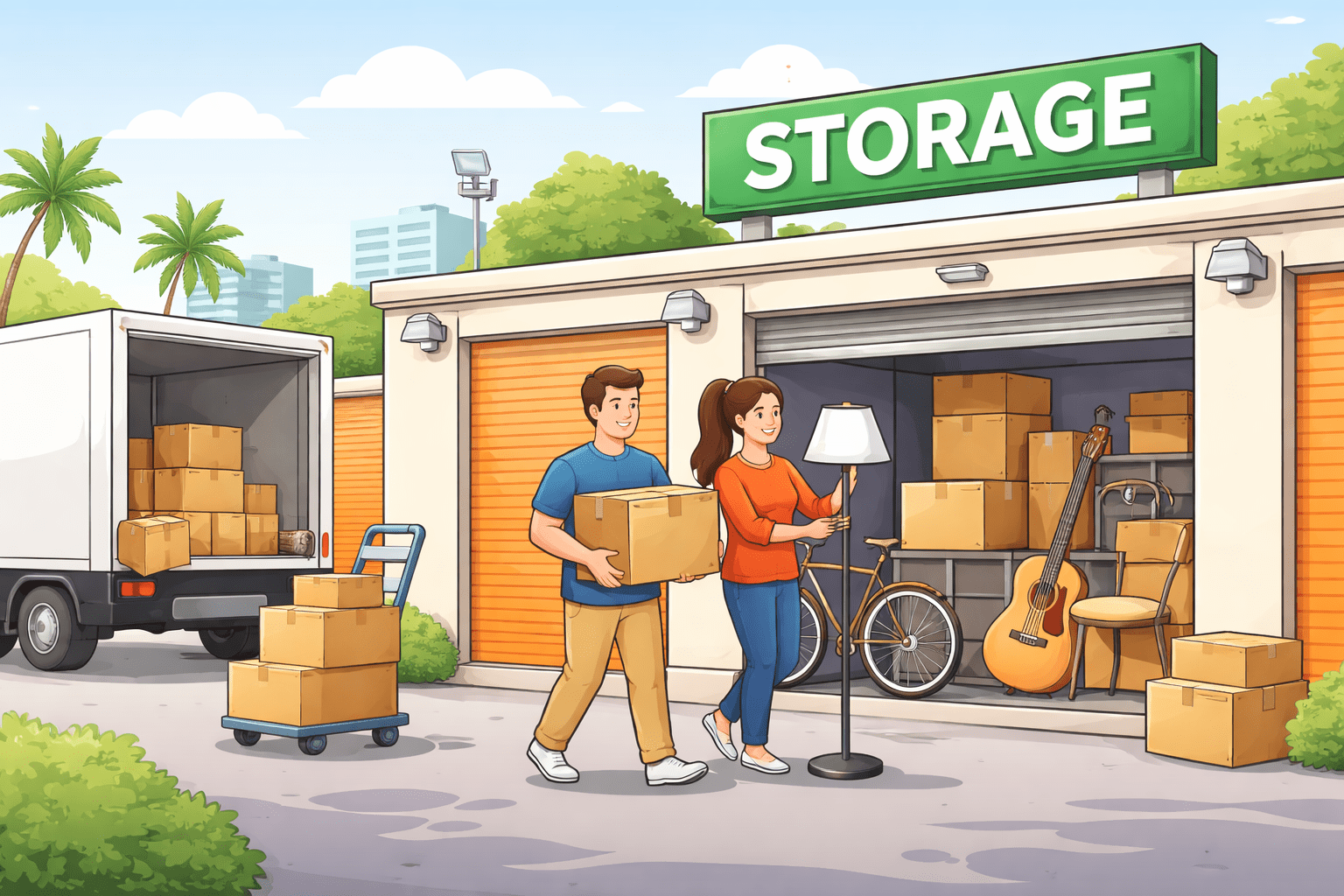

If you’re planning a move, clearing out space, or simply trying to stay organized, renting a storage unit can be a smart and flexible solution. Storage rentals have become increasingly popular across the United States, especially for homeowners, renters, and businesses navigating transitions like moving, downsizing, or renovating.
However, not all storage solutions are the same. Choosing the right unit, location, and setup can make a significant difference in how smooth your experience is. This guide walks you through everything you need to know before renting a storage unit—so you can avoid common mistakes and make confident decisions.
Storage rentals are no longer just for people in the middle of a move. Today, they serve a wide range of needs, from seasonal storage to long-term organization.
Many households are dealing with limited space, especially in urban areas. Others are transitioning between homes or managing growing families. Storage units offer a convenient way to create breathing room without letting go of valuable belongings.
Whether you’re storing furniture during a renovation or keeping extra inventory for a business, storage units provide flexibility that adapts to your situation.
Before renting, it’s important to understand the different types of storage available and how each one fits your needs.
These are the most common option and are typically located in dedicated facilities. They come in various sizes and are ideal for long-term storage.
Traditional units work well if you don’t need frequent access and prefer a fixed, secure location.
Portable storage, often referred to as PODS, offers a more flexible approach. The container is delivered to your location, allowing you to pack at your own pace.
Once ready, it can be transported to a storage facility or directly to your new home. This option is especially useful for people managing both moving and storage at the same time. Many renters find that portable containers offer flexible benefits that simplify the entire process.
Location plays a major role in your overall experience.
If you expect to visit your storage unit frequently, choose a facility close to your home or workplace. This reduces travel time and makes it easier to retrieve items when needed.
For those using portable storage, confirm that delivery and pickup services are available in your area. Accessibility should always align with your daily routine and moving timeline.
Your belongings deserve proper protection, so security should be a top priority.
Look for facilities that offer:
Even with these features, investing in a high-quality lock adds an extra layer of protection. Peace of mind is worth it, especially if you’re storing valuable or sentimental items.
Not all items can handle extreme temperatures or humidity.
Climate-controlled units maintain consistent conditions, making them ideal for:
If you’re storing anything sensitive, this upgrade can prevent costly damage in the long run.
Choosing the correct size is essential. A unit that’s too small can lead to overcrowding, while one that’s too large may result in unnecessary costs.
Start by listing everything you plan to store. Group items by size and consider how they’ll be stacked. If you’re unsure, it’s usually better to go slightly bigger to allow space for movement and organization.
Planning ahead ensures you won’t need to upgrade later.
Different facilities offer different access hours.
Some provide 24/7 access, while others limit entry to business hours. If you anticipate needing items frequently, flexible access is a must.
Portable storage offers an added advantage here. With the unit at your location, you can access your belongings anytime without traveling.
Storage pricing varies based on size, location, and features.
Before signing a contract, review:
Some facilities offer discounts for long-term rentals or promotions for new customers. Always ask about available deals to maximize value.
While most facilities offer security, they may not cover damage or loss.
Storage insurance protects your belongings from unexpected events like theft, fire, or water damage. Some facilities offer in-house coverage, while others require third-party insurance.
If you’re storing high-value items, insurance is strongly recommended.
Renting a storage unit is the perfect opportunity to reassess what you truly need.
Instead of storing everything, take time to:
This not only saves space but also reduces your storage costs. A well-organized unit starts with intentional decluttering.
Storage units play a major role in making moves more manageable.
Many homeowners rely on them to create a smoother transition. In fact, there are several common reasons people rent storage during relocation.
Storage allows you to pack gradually instead of rushing everything into one day. This reduces stress and gives you more control over the process.
If you’re selling your home, removing excess items can make your space look larger and more appealing to buyers.
Moving into a smaller space doesn’t mean you have to get rid of everything. Storage gives you flexibility while you adjust.
If there’s a gap between move-out and move-in dates, storage provides a secure place for your belongings.
Not every move requires storage, but it can be incredibly helpful depending on your situation.
If you’re unsure, consider reading this detailed breakdown on deciding if moving storage is necessary.
Portable storage is especially useful for long-distance moves, as it combines transportation and storage into one streamlined solution.
To get the most out of your storage rental, follow these practical tips.
Understand all terms before committing. Pay close attention to fees, policies, and restrictions.
Clean and dry all items before storage. Use protective covers and avoid placing items directly on the floor.
Detailed labels make it easy to find items later. Keeping an inventory list also helps you stay organized.
Periodic visits allow you to catch potential issues early, such as moisture, pests, or damage.
If you’re new to the process, reviewing a complete first-time storage rental checklist can help you avoid beginner mistakes.
A storage unit can be a valuable tool for simplifying your move, organizing your space, or managing life transitions. The key is choosing the right type of storage, understanding your needs, and planning ahead.
From selecting the ideal unit size to ensuring proper security and accessibility, every decision plays a role in your overall experience. When done right, storage doesn’t just hold your belongings—it gives you flexibility, control, and peace of mind.
