
Moving Containers
Recommendation
Moving Container Reviews
Recommendation
Truck Rentals Reviews
Storage Recommendations
Storage Review
Junk Removal Recommendations
Junk Removal Reviews


Keeping your clothes in excellent condition while they’re in storage takes more than simply packing them into boxes. Whether you’re moving, downsizing, traveling for an extended period, or making room at home, knowing how to store clothes in a storage unit properly can help prevent wrinkles, moisture damage, mold, pests, and fading.
The good news is that protecting your wardrobe doesn’t require expensive equipment or complicated preparation. With the right packing methods, storage containers, and organization, your clothes can remain clean, fresh, and ready to wear whenever you need them.
In this guide, we’ll walk through the best practices for storing clothes safely, explain which garments should be folded or hung, and share practical tips to help you make the most of your storage space.
Clothing is often one of the most overlooked items when packing a storage unit. While furniture and electronics usually receive extra attention, clothing is frequently packed in a hurry, increasing the risk of damage over time.
Humidity, dust, insects, and improper packing can all shorten the lifespan of your favorite garments. Even everyday items like cotton shirts or denim jeans can develop unpleasant odors or stubborn creases if they’re stored incorrectly.
Choosing a clean, secure storage facility is the first step. If you’re preparing for long-term storage, learning more about how to choose the right storage unit for your belongings can help you protect everything you’re storing—not just your clothes.
One of the biggest mistakes people make is storing clothes without washing them first.
Even if garments appear clean, invisible stains from sweat, body oils, perfume, or food residue can become permanent over time. These residues also attract insects and encourage mold or mildew growth, especially during long-term storage.
Before packing:
Wash or dry-clean every garment.
Allow everything to dry completely.
Repair loose buttons or small tears before storing.
Taking these extra steps ensures your clothes come out of storage looking just as good as when they went in.
Vacuum storage bags are excellent for saving space, but they aren’t the best choice for long-term clothing storage.
Compressing fabrics for months at a time can permanently weaken fibers, flatten insulation in winter coats, and create difficult wrinkles. Natural materials like wool, silk, linen, and cotton also need airflow to maintain their shape and quality.
Instead, choose breathable storage methods that protect clothing without excessive compression.
Reserve vacuum bags for short-term travel rather than extended storage.
Different fabrics require different storage conditions.
Natural fibers breathe differently than synthetic materials, which is why mixing everything together in one large container isn’t ideal.
Consider organizing clothing into separate containers for:
Store silk, lace, cashmere, and linen separately to minimize friction and prevent snagging.
Cotton shirts, jeans, and casual clothing can be packed together as long as they’re clean and dry.
Bulky sweaters, jackets, and coats should have their own storage bins to prevent them from crushing lighter garments.
Sorting clothing also makes unpacking much easier later.
Not every garment belongs on a hanger.
Hanging stretchy fabrics for months may cause them to lose their shape, while folding structured clothing can create deep creases that are difficult to remove.
Blazers
Suits
Dresses
Button-up shirts
Dress pants
Formal wear
Use sturdy wooden or padded hangers whenever possible.
Sweaters
T-shirts
Leggings
Workout clothing
Baby clothes
Pajamas
Underwear
Knitwear
Folding these items helps them maintain their original shape throughout storage.
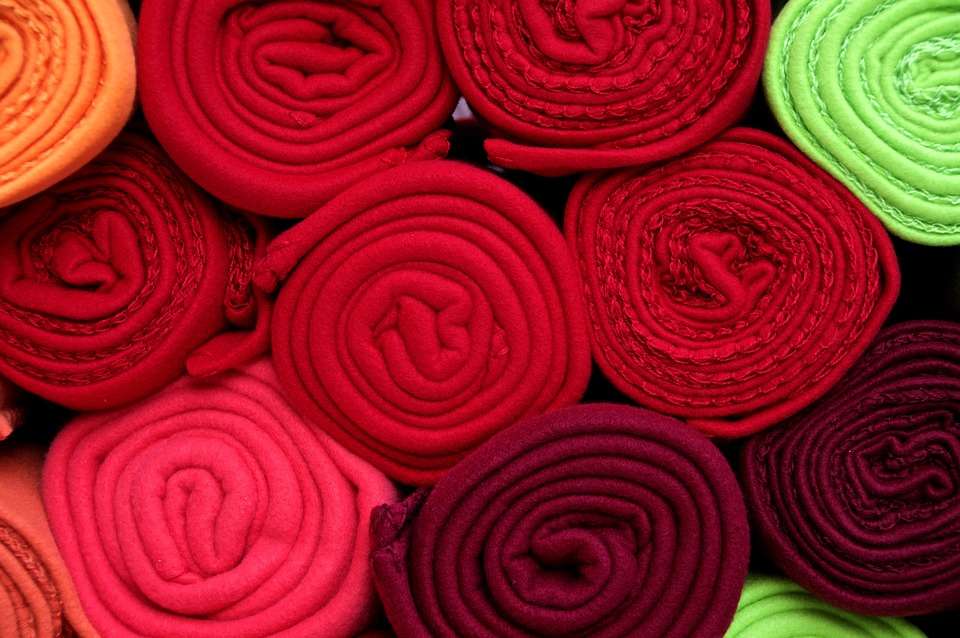
Rolling clothes instead of creating sharp folds is a simple trick that works surprisingly well.
Rolled garments develop fewer permanent crease lines during long-term storage while also making it easier to organize clothing inside storage bins.
This method works especially well for:
T-shirts
Jeans
Athletic wear
Shorts
Casual clothing
Although rolling uses slightly more space, the added protection is often worth it.
Organization inside each storage bin matters just as much as choosing the right container.
Always place heavier garments on the bottom and lighter clothing on top.
For example:
Winter coats
Thick sweaters
Denim
Heavy hoodies
should go beneath lighter items such as:
Blouses
Summer dresses
Shirts
Lightweight sweaters
This reduces unnecessary pressure on delicate fabrics and helps clothing maintain its shape.
Plastic storage containers offer far better protection than cardboard boxes.
While cardboard may seem like a budget-friendly option, it absorbs moisture, weakens over time, and can attract insects.
Quality plastic bins with locking lids provide several advantages:
Better moisture protection
Keeps out dust
Discourages pests
Easy to stack
More durable for long-term storage
Clear bins are especially useful because you can quickly identify what’s inside without opening every container.
For clothing that should remain hanging, wardrobe boxes are an excellent investment.
These tall boxes include built-in hanging bars that allow dresses, coats, suits, and formal wear to stay wrinkle-free throughout storage.
They’re particularly useful for:
Business attire
Wedding dresses
Seasonal coats
Uniforms
Long formal gowns
Using garment bags inside wardrobe boxes provides another layer of protection against dust.
Nothing is more disappointing than discovering insect damage after months in storage.
Cedar chips or cedar balls naturally repel common fabric pests such as moths without leaving behind the strong chemical smell associated with traditional mothballs.
Place a few cedar blocks inside each storage container and replace them periodically if you’re storing clothes for an extended period.
This simple precaution helps preserve both everyday clothing and valuable garments.
Not every storage situation requires climate control, but it’s worth considering if you’re storing clothing for several months or longer.
Climate-controlled units maintain more consistent temperature and humidity levels, reducing the risk of mold, mildew, and fabric deterioration.
They’re especially recommended if you’re storing:
Designer clothing
Leather jackets
Vintage garments
Wedding dresses
Family heirlooms
If you live in an area with high humidity or extreme seasonal temperatures, climate control provides additional peace of mind.
While reputable storage facilities prioritize security, unexpected events can still happen.
Storage insurance provides financial protection against risks such as fire, flooding, theft, or accidental damage.
If your wardrobe contains expensive designer pieces, sentimental clothing, or specialty garments, adding insurance is often an inexpensive investment compared to replacing everything later.
Review your homeowner’s or renter’s insurance policy as well, since some plans may already include limited coverage for stored belongings.
Proper clothing storage isn’t complicated, but paying attention to the details makes all the difference.
Cleaning garments before packing, using durable plastic containers, separating fabrics, hanging delicate items correctly, and protecting against moisture and pests all contribute to keeping your wardrobe in excellent condition.
Whether you’re storing seasonal clothing for a few months or preserving valuable garments for years, following these simple practices will help ensure everything stays clean, fresh, and ready to wear when you need it again.
Climate-controlled storage is recommended for long-term storage, expensive clothing, vintage garments, or locations with high humidity and extreme temperatures. It helps reduce the risk of mold, mildew, and fabric damage.
Cardboard boxes are suitable for short-term storage, but plastic storage bins provide much better protection against moisture, dust, and pests for long-term use.
Vacuum-sealing is useful for short-term storage or travel but isn’t recommended for extended storage because compressed fabrics can lose their shape and become damaged.
Wash all garments before storing them, use sealed plastic bins, and place cedar chips or cedar balls inside containers to naturally discourage moths and other fabric pests.
Yes. Storage insurance is an affordable way to protect valuable clothing against unexpected events such as theft, flooding, or fire, giving you added peace of mind.
