
Moving Containers
Recommendation
Moving Container Reviews
Recommendation
Truck Rentals Reviews
Storage Recommendations
Storage Review
Junk Removal Recommendations
Junk Removal Reviews
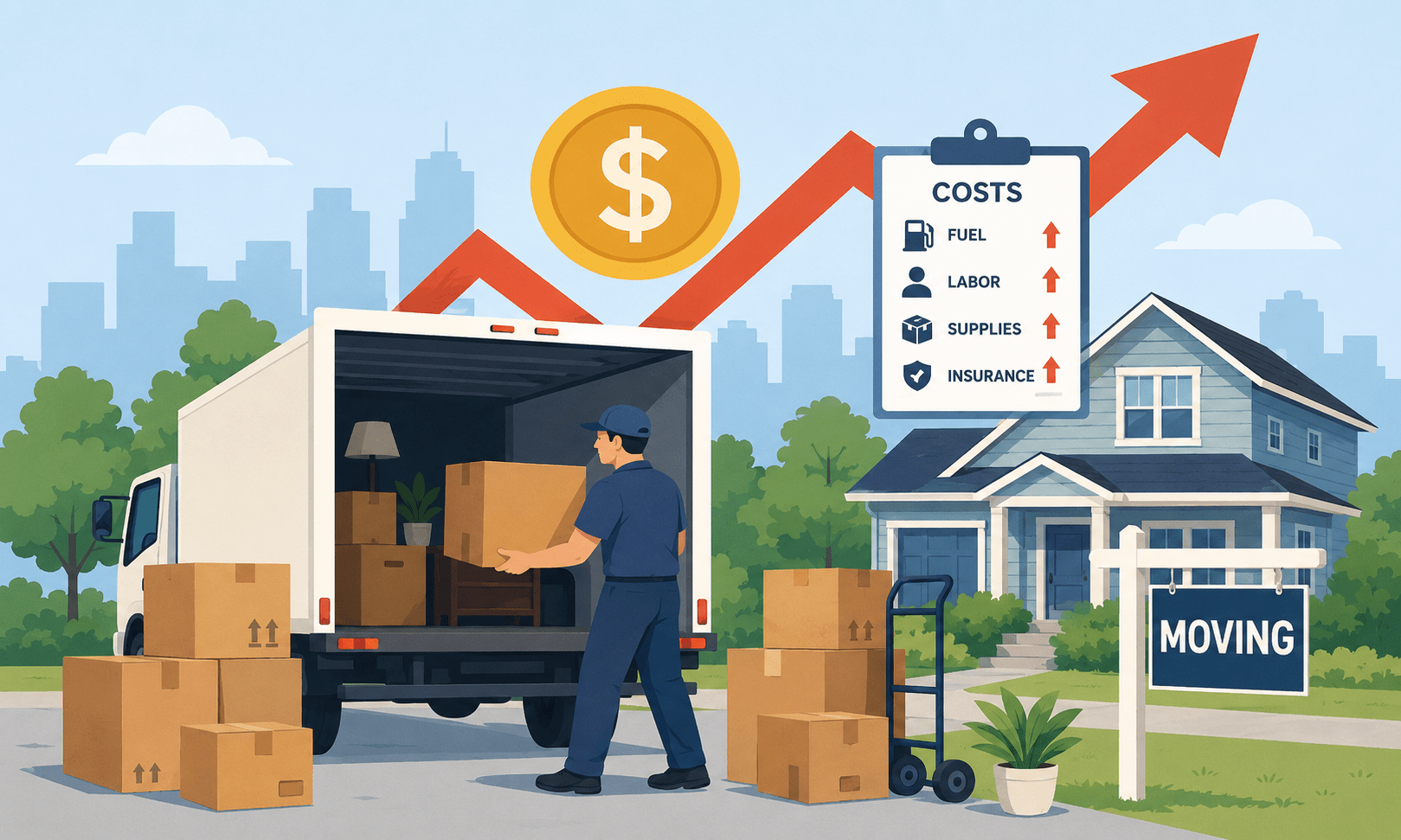

Moving has never been cheap, but this year, inflation is making relocation significantly more expensive for families, renters, homeowners, and businesses across the country. From fuel prices and labor shortages to higher housing costs and packing supply increases, nearly every part of the moving process now comes with a larger price tag.
Whether you’re planning a local move or relocating across state lines, understanding how inflation affects moving costs can help you budget smarter, avoid surprise expenses, and make better decisions throughout the process.
In this guide, we’ll break down exactly why moving costs are rising, where the biggest price increases are happening, and what you can do to reduce expenses without sacrificing a smooth move.
Inflation affects more than groceries and rent. The moving industry depends on transportation, labor, fuel, equipment, insurance, and housing trends — all of which have seen steady price increases over the last few years.
As operating costs rise for moving companies, those increases are being passed down to customers.
One of the biggest drivers behind moving cost increases is fuel. Long-distance moving companies rely heavily on diesel-powered trucks, and fluctuating fuel prices directly affect transportation rates.
Cross-country moves now cost noticeably more than they did just a few years ago because carriers must account for:
This is especially noticeable during peak moving seasons when demand already drives prices upward.
The moving industry is still dealing with labor shortages in many parts of the U.S. Experienced movers, drivers, and logistics workers are in high demand, forcing companies to offer higher wages to attract and retain employees.
As payroll expenses grow, hourly moving rates are also increasing.
In major metropolitan areas, labor costs have become one of the fastest-growing components of a moving estimate. Customers moving during weekends, holidays, or summer months may see even steeper pricing due to limited crew availability.
Inflation has also reshaped where people are choosing to live. Many Americans are relocating to lower-cost states in search of affordable housing, reduced taxes, and better quality of life.
States like Utah, Texas, Tennessee, and Florida continue to attract inbound migration, while higher-cost states still experience strong outbound moves.
People researching affordable relocation destinations often compare costs before making a decision, especially when considering places like Utah for its growing job market and relatively lower living expenses.
At the same time, expensive housing markets continue driving outbound migration from coastal cities. Many homeowners and renters are still exploring the realities of moving to California or leaving the state altogether due to affordability concerns.
Inflation has pushed up the price of nearly every moving supply, including:
Many customers underestimate how much these materials can add to a moving budget. Even DIY moves now come with higher upfront costs simply because packaging materials are more expensive than they were a few years ago.
Professional movers also factor these supply costs into full-service moving packages, increasing total estimates further.
Moving companies are facing higher insurance costs due to inflation-related increases in vehicle repairs, claims, and liability expenses.
Additionally, extreme weather events are becoming more common across the U.S., creating greater risks during transportation and storage.
Flood-prone regions, in particular, are seeing rising insurance costs for homeowners and moving providers alike. Understanding how flood insurance works has become increasingly important for people relocating to coastal or high-risk areas.
Insurance-related expenses may show up in moving quotes through:
Inflation affects all types of moves, but long-distance relocations are experiencing the sharpest increases.
Several factors contribute to this:
Cross-country moves require:
Each of these categories has become more expensive in the current market.
More Americans are relocating between states than ever before. Remote work flexibility continues allowing people to move away from high-cost cities without changing jobs.
This increased demand means moving companies can charge higher rates during busy periods.
Many long-distance moves involve temporary storage while buyers wait for housing availability. Storage facility prices have also increased due to inflation, real estate costs, and demand.
Specialty transportation services have become particularly costly because they require additional labor, permits, equipment, and fuel.
This includes:
Customers planning outdoor lifestyle relocations often need guidance on transporting recreational vehicles out of state as RV ownership and interstate travel continue growing in popularity.
Inflation isn’t only affecting the obvious parts of moving. Several secondary expenses are also increasing this year.
Hotel stays and short-term rentals are more expensive than before, especially in high-demand cities.
Some providers now require larger upfront deposits when starting service at a new address.
Auto transport prices have increased due to fuel and labor expenses.
Move-out cleaning, repairs, and property preparation services are charging higher rates due to labor shortages and supply costs.
Many people overlook the indirect financial impact of taking unpaid time off during relocation.
While inflation is unavoidable, there are still practical ways to keep moving expenses under control.
Booking movers several weeks or months in advance can help lock in lower pricing before peak demand raises rates.
Last-minute bookings often come with premium charges and limited scheduling flexibility.
If possible, avoid:
Midweek and mid-month moves are often significantly cheaper.
The more weight and volume you move, the more you pay.
Selling, donating, or disposing of unnecessary items before relocation can dramatically reduce:
Never rely on a single quote.
Comparing multiple licensed moving companies helps you:
Make sure estimates include all charges upfront.
Many people are now combining:
Hybrid solutions can reduce costs while still providing professional transportation support.
One of the smartest strategies in an inflation-heavy economy is building a moving contingency budget.
Unexpected costs may include:
Experts generally recommend setting aside at least 10–15% beyond your original moving estimate.
In previous years, many people could estimate moving costs fairly accurately. Today’s pricing volatility makes budgeting far more important.
Inflation affects moving expenses differently depending on:
Careful preparation can help reduce stress and avoid financial surprises during relocation.
If you’re still in the planning phase, reviewing the basic things to do before moving to another state can help you avoid costly mistakes early in the process.
Not all moving companies handle inflation-related challenges the same way.
A reliable mover should:
Low-ball estimates can sometimes lead to surprise fees later, especially during periods of rising operational costs.
Before booking, ask detailed questions about:
Most industry experts expect moving prices to remain elevated due to ongoing inflation pressures and housing demand.
However, pricing may stabilize in some regions if:
Even so, relocation expenses are unlikely to return to pre-pandemic levels anytime soon.
For anyone planning a move this year, preparation and timing are more important than ever.
The earlier you begin planning your move, the easier it becomes to manage costs and avoid unnecessary expenses caused by inflation-driven price increases.
Moving companies are dealing with higher fuel costs, labor shortages, insurance increases, and more expensive equipment and supplies. These operating costs directly affect customer pricing.
Yes. Long-distance relocations rely heavily on transportation, fuel, labor, and logistics, making them more sensitive to inflation than local moves.
Late fall and winter are usually the least expensive seasons for moving because demand is lower outside peak summer months.
You can lower costs by:
Many experts expect elevated moving costs to continue if inflation and fuel prices remain unstable.
That depends on your financial situation, housing goals, and job flexibility. Waiting may not always save money if housing or rental prices continue rising.
