
Moving Containers
Recommendation
Moving Container Reviews
Recommendation
Truck Rentals Reviews
Storage Recommendations
Storage Review
Junk Removal Recommendations
Junk Removal Reviews
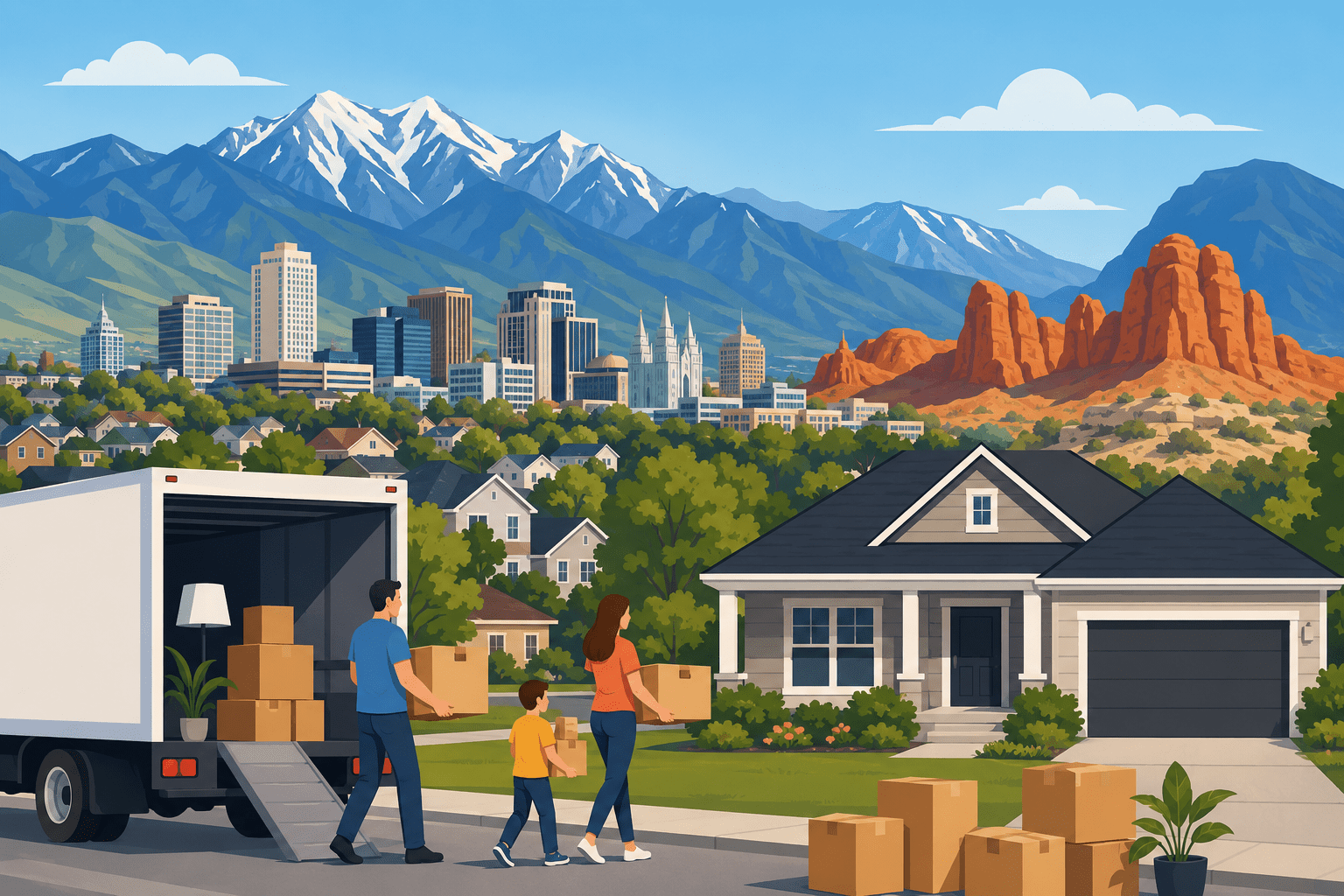

Utah has become one of the fastest-growing states in the country, attracting families, professionals, retirees, and outdoor enthusiasts looking for a better quality of life. From thriving job opportunities to world-class national parks, the Beehive State offers a rare balance of economic growth, natural beauty, and community-driven living.
For many people relocating from high-cost states like California or New York, moving to Utah feels like a fresh start. Housing remains more affordable than many major metro areas across the U.S., the economy continues to expand, and residents enjoy access to year-round outdoor recreation.
Whether you’re considering Salt Lake City, Provo, St. George, or Cedar City, understanding Utah’s housing market, cost of living, and employment landscape can help you make a smarter relocation decision.
If you’re planning a long-distance move, comparing trusted interstate providers can make the transition significantly easier.
Utah consistently ranks among the best states for economic opportunity, safety, education, and outdoor living. The state has built a strong reputation for combining career growth with a lifestyle centered around wellness, recreation, and family-friendly communities.
One of Utah’s biggest draws is its economy. The state regularly earns top rankings for job growth, business development, and financial stability. Industries like technology, healthcare, aerospace, tourism, and renewable energy continue to expand rapidly, creating opportunities for both skilled professionals and entrepreneurs.
Beyond economics, Utah’s natural environment is a major attraction. Residents have easy access to hiking trails, ski resorts, rock climbing destinations, lakes, and national parks. It’s one of the few states where you can ski in the mountains and explore desert canyons within the same weekend.
Utah is also known for its safety and clean communities. Many cities maintain low crime rates, strong public schools, and well-maintained infrastructure, making the state especially attractive for families.
Another major advantage is the overall lifestyle. Utah residents tend to prioritize outdoor activity, work-life balance, and community involvement. The state’s younger population contributes to a vibrant atmosphere filled with growing neighborhoods, new businesses, and expanding entertainment options.
For outdoor enthusiasts, Utah delivers experiences that few states can match.
The state is home to five national parks — Zion, Bryce Canyon, Arches, Canyonlands, and Capitol Reef — along with countless hiking trails, lakes, forests, and ski destinations. Residents spend weekends hiking through red rock canyons, mountain biking scenic trails, kayaking alpine lakes, or skiing some of the best powder in North America.
Northern Utah offers easy access to ski resorts near Salt Lake City and Park City, while southern Utah provides incredible desert landscapes and warmer climates year-round.
Utah’s low light pollution also creates exceptional stargazing opportunities. Places like Bryce Canyon National Park are internationally recognized for their dark skies and stunning nighttime visibility.
The active lifestyle is deeply woven into daily life here. It’s common to see residents biking to work, hiking before sunrise, or spending weekends camping with family and friends.
Utah’s rapid population growth has pushed housing demand significantly higher over the past decade. While prices remain lower than many coastal states, the market has become increasingly competitive in popular metro areas.
The median home value in Utah sits around $341,800, though pricing varies greatly depending on location. Cities like Salt Lake City, Park City, and Provo tend to have higher housing costs, while smaller communities remain more affordable.
Despite rising prices, Utah still offers better value compared to expensive markets like Los Angeles, San Francisco, or New York City. Many buyers relocating from those regions find they can purchase larger homes with more land for a lower overall cost.
New construction developments continue expanding across the state to accommodate incoming residents, especially in suburban areas surrounding Salt Lake City.
Rental costs in Utah are also climbing, though they remain manageable compared to many western states.
Average monthly rental estimates include:
Larger cities and high-demand areas naturally command higher rental prices, particularly near universities, business districts, and ski destinations.
Utah offers a wide range of living environments depending on your priorities and lifestyle preferences.
Salt Lake City is Utah’s economic and cultural center. Residents enjoy strong job opportunities, nightlife, restaurants, entertainment, and easy mountain access.
The city is also recognized for being welcoming and inclusive, including a strong LGBTQIA+ community presence.
Located south of Salt Lake City, Provo is popular among students, families, and tech professionals. The area offers strong educational institutions, growing startup culture, and beautiful mountain scenery.
St. George attracts retirees and outdoor enthusiasts looking for warmer weather and stunning desert landscapes. The city has seen rapid growth in recent years due to its affordability and climate.
Cedar City offers a quieter pace of life with lower housing costs and strong community appeal. It’s a popular option for families and remote workers seeking affordability without sacrificing natural beauty.
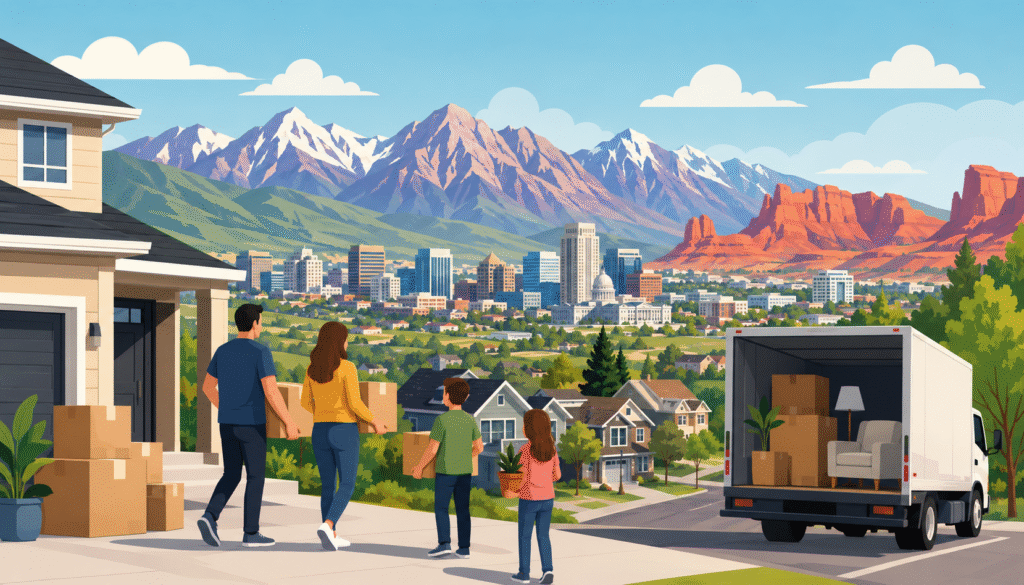
Cost of Living in Utah
Utah ranks near the middle nationally for overall cost of living, making it more affordable than many neighboring western states.
According to economic research data, Utah’s cost of living index remains slightly below the national average. While housing costs have increased, expenses like transportation, utilities, and healthcare remain relatively balanced in many areas.
For people relocating from expensive metropolitan regions, Utah often feels significantly more affordable overall.
A family of four in Salt Lake City can expect estimated monthly costs including:
This brings estimated annual living expenses to approximately $81,578.
Cedar City offers slightly lower overall expenses compared to larger metro areas.
Estimated monthly expenses include:
Annual expenses average around $77,675 for a family of four.
These differences highlight why many residents choose smaller Utah communities while still maintaining access to outdoor recreation and growing job markets.
Utah consistently ranks among the top states for economic performance and job growth. Business-friendly policies, population growth, and expanding industries continue fueling long-term economic success.
Technology has become one of Utah’s fastest-growing sectors, particularly within the “Silicon Slopes” region surrounding Salt Lake City and Provo. Major startups and established tech firms continue opening offices across the state.
Healthcare, tourism, aerospace, logistics, and renewable energy also contribute heavily to Utah’s economy.
Professionals relocating to Utah often find strong career opportunities paired with a lower cost of living than traditional tech hubs.
Several industries drive Utah’s economic growth:
Utah’s tech sector continues expanding rapidly, attracting software companies, startups, and remote workers.
The state supports a strong aerospace presence with engineering, manufacturing, and defense-related employers.
Healthcare systems and medical research organizations provide stable employment opportunities throughout Utah.
National parks, ski resorts, and outdoor tourism generate billions annually for Utah’s economy.
Utah continues investing in renewable resources and sustainable energy initiatives.
Some of the largest employers in Utah include:
These organizations provide employment opportunities across healthcare, finance, transportation, manufacturing, and retail industries.
Utah places a strong emphasis on education and workforce development.
The state maintains a high high-school graduation rate and is home to respected universities and colleges, including:
Many communities also invest heavily in family-oriented services, public parks, and youth programs, contributing to Utah’s reputation as a family-friendly state.
Northern Utah experiences snowy winters and four distinct seasons, while southern Utah remains much warmer and drier year-round.
If you enjoy winter sports, northern Utah offers some of the best skiing conditions in the country. Those preferring warmer climates may prefer St. George or southern regions.
Population growth has brought new businesses, restaurants, infrastructure, and entertainment options. However, it has also increased housing demand and traffic congestion in some urban areas.
Utah residents take advantage of the outdoors year-round. Hiking, skiing, camping, mountain biking, and national park trips are deeply integrated into local culture.
Even people who move to Utah primarily for work often discover the outdoor lifestyle becomes one of the state’s biggest benefits.
Relocating to another state involves careful planning, especially when transporting furniture, vehicles, and household belongings long distances.
Comparing affordable long-distance moving companies can help you find reliable services while staying within budget.
Yes. Utah offers a strong economy, low crime rates, excellent outdoor recreation, and high overall quality of life. Many residents appreciate the balance between career opportunities and lifestyle benefits.
Utah is moderately priced compared to national averages. Housing costs have increased in recent years, but the state remains more affordable than many large coastal markets.
Popular choices include Salt Lake City, Provo, St. George, and Cedar City. The best option depends on your budget, climate preference, and career goals.
Yes. Utah consistently ranks among the best states for job growth and economic strength, particularly in technology, healthcare, tourism, and logistics.
Utah’s climate varies by region. Northern Utah experiences snowy winters and mild summers, while southern Utah remains warmer and drier year-round.
Absolutely. Many Utah communities offer excellent schools, parks, low crime rates, and strong neighborhood environments that appeal to families.
Utah continues attracting new residents because it delivers something many states struggle to offer: economic opportunity paired with exceptional quality of life.
From growing job markets and scenic landscapes to family-friendly communities and outdoor adventure, the state appeals to a wide range of lifestyles and career paths.
Whether you’re moving for work, affordability, recreation, or a fresh start, Utah offers a unique combination of stability, growth, and natural beauty that continues to draw people from across the country.
