
Moving Containers
Recommendation
Moving Container Reviews
Recommendation
Truck Rentals Reviews
Storage Recommendations
Storage Review
Junk Removal Recommendations
Junk Removal Reviews
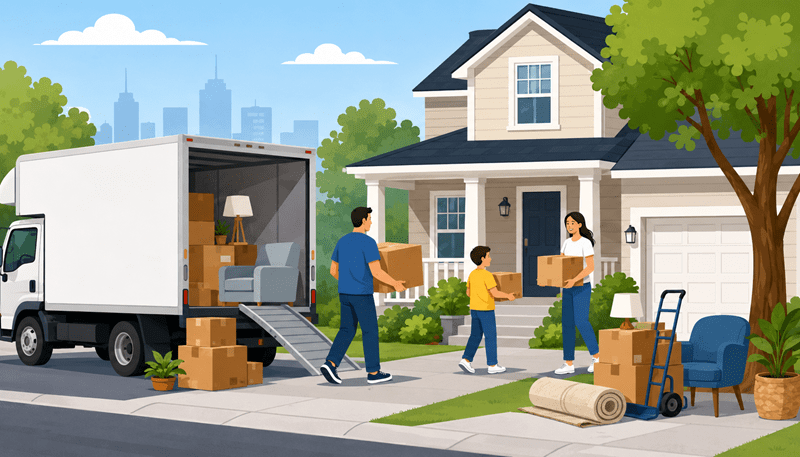

Moving across state lines can feel exciting, stressful, and overwhelming at the same time. Between organizing paperwork, budgeting expenses, hiring movers, and adjusting to a new environment, there are countless details to manage. That’s why planning ahead matters. The more organized you are before relocating, the smoother your transition will be once moving day arrives.
Whether you’re relocating for work, family, or a fresh start, having a solid strategy helps you avoid last-minute chaos and unnecessary expenses. This guide breaks down the basic things you should do before relocating so you can stay organized, reduce stress, and settle into your new home with confidence.
One of the biggest mistakes people make is underestimating how long an interstate relocation takes. Planning early gives you more flexibility and helps you avoid rushed decisions.
Start by mapping out key milestones at least six to eight weeks before your departure date. Include tasks such as:
A detailed calendar also helps you manage deadlines without feeling overwhelmed. If you’re working with professional movers, booking early often gives you access to better availability and pricing.
Relocating to another state involves more than transportation costs. Many people forget to account for deposits, temporary lodging, fuel, packing supplies, and utility setup fees.
Understanding the full cost to move to another state can help you avoid financial surprises during the transition. Creating a moving budget early allows you to prioritize expenses and identify areas where you can save money.
Be sure to include:
A well-planned budget gives you peace of mind and keeps spending under control throughout the process.
The fewer items you move, the easier and cheaper your relocation becomes. Before packing anything, go through every room and decide what you truly want to keep.
Separate items into categories:
This step helps reduce packing time and lowers transportation costs. It also gives you a fresh start in your new home without unnecessary clutter.
Large items that no longer fit your lifestyle are often worth selling before the move rather than transporting across the country.
Even if you’ve visited your new city before, living there full-time is different. Spend time researching neighborhoods, transportation, schools, healthcare providers, grocery stores, and local services.
Understanding the local cost of living is especially important. Housing prices, taxes, insurance rates, and utility costs can vary significantly from one state to another. Learning about regional moving costs factors can help you better prepare financially before your relocation begins.
If possible, visit the area beforehand to get familiar with your future surroundings. Knowing where essentials are located makes the transition feel less intimidating after arrival.
Every move is different, and the right transportation option depends on your budget, timeline, and household size.
Some people choose rental trucks for flexibility, while others prefer professional moving services for convenience. Comparing options carefully helps you determine what fits your needs best.
If you’re evaluating professional services, researching reliable long distance moving and storage companies can make the selection process much easier. Reading reviews, checking licensing information, and requesting multiple quotes are all smart steps before signing a contract.
You should also decide whether you need full-service packing, temporary storage, or specialty handling for fragile items.
Interstate moves involve more paperwork than many people expect. Keep all essential documents organized in one secure folder that stays with you during the move.
Important documents may include:
Having quick access to these items prevents unnecessary stress if you need them during travel or immediately after arriving.
Digital backups stored securely online can also provide extra protection.
Updating your address ahead of time prevents delays with bills, subscriptions, and important mail.
Notify:
You should also submit a mail forwarding request through the postal service at least a week before moving day.
Creating a checklist for address updates helps ensure nothing gets overlooked during the transition.
Waiting until the last minute to transfer utilities can create unnecessary headaches after arriving at your new home.
Schedule shut-off dates for your current residence and activation dates for your new property ahead of time. This includes:
Ideally, utilities at your new home should be active before you arrive so you can settle in comfortably.
Packing becomes much easier when done systematically. Start with rooms and items you use less frequently, then gradually work toward daily essentials.
Clearly label every box with:
Using color-coded labels can simplify unloading later. You should also prepare an essentials bag containing:
Having immediate necessities available prevents frustration during your first nights in the new home.
Sometimes move-in dates don’t perfectly align with move-out schedules. Temporary storage can help bridge the gap and reduce pressure during the transition.
Before renting a unit, review important storage rental tips to make sure your belongings stay protected and accessible throughout the process.
Climate-controlled storage may also be worth considering for electronics, antiques, documents, or sensitive furniture.
Different states have different rules regarding vehicle registration, driver’s licenses, and insurance coverage. Research your new state’s requirements before relocating.
You may need to:
Handling these tasks early helps you avoid fines or delays once you arrive.
Relocating is more than a physical move. It’s also a major life adjustment emotionally and socially.
Leaving familiar routines, friends, and neighborhoods can feel difficult even when the move is positive overall. Staying connected with loved ones while remaining open to new experiences can ease the adjustment period.
After settling in, look for opportunities to connect with new people through local events, community groups, hobbies, or professional networks. Building new relationships helps your new location feel like home much faster.
Moving day often feels hectic, but preparation can make it far more manageable.
A few smart strategies include:
Double-check schedules with movers, landlords, or utility companies several days before the move.
Avoid packing jewelry, important documents, medications, or electronics inside the moving truck.
Using protective coverings helps prevent damage during heavy lifting.
Unexpected delays can happen during long-distance relocations. Building extra time into your schedule reduces stress if plans change.
Today, there are several transportation methods available depending on your budget and moving style.
Some families prefer portable containers like pods because they allow flexible loading and storage. Others choose rental truck companies such as uhaul for complete control over the process. Larger households often work with full-service movers that handle packing, transportation, and unloading from start to finish.
If you’re comparing providers, searching for moving companies near me can help you identify local options with strong customer reviews and interstate experience.
Researching the best moving companies also helps you avoid scams and ensures your belongings are handled professionally.
For nationwide relocations, established carriers like united van lines are often considered by people looking for long-distance expertise and broader service coverage.
Before departure day arrives, review your complete moving to another state checklist one final time.
Make sure you have:
Final reviews help prevent overlooked details that could create problems later.
Relocating to a different state is a major life event, but careful preparation makes the process far more manageable. From budgeting and decluttering to hiring movers and updating paperwork, every step you complete ahead of time helps reduce stress later.
The key is staying organized and giving yourself enough time to handle tasks gradually instead of all at once. With the right planning, your transition can feel exciting instead of overwhelming.
Whether you’re relocating for opportunity, lifestyle changes, or family reasons, thoughtful preparation helps you start this new chapter with confidence and clarity.
Ideally, start planning at least six to eight weeks before your moving date.
Create a moving timeline and budget to organize the entire process.
It depends on your budget, schedule, and how much assistance you need.
Decluttering before packing can significantly lower transportation costs.
Keep IDs, financial records, medical documents, and important paperwork with you.
