
Moving Containers
Recommendation
Moving Container Reviews
Recommendation
Truck Rentals Reviews
Storage Recommendations
Storage Review
Junk Removal Recommendations
Junk Removal Reviews
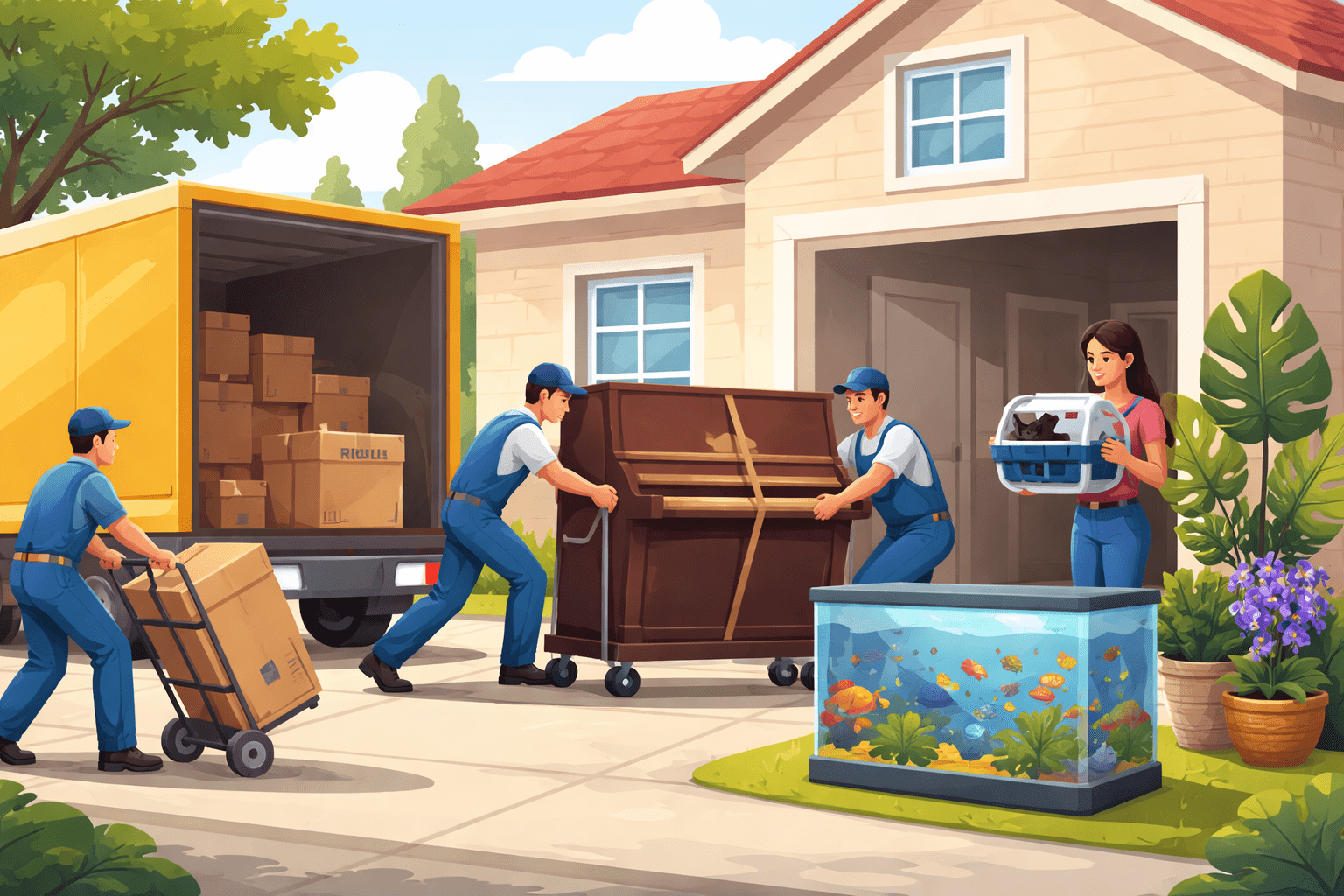

Moving sounds simple—until you’re faced with heavy, delicate, or high-risk items that can easily lead to damage, injury, or unexpected expenses. While packing boxes and loading furniture might feel manageable, there are certain items you should never move alone.
Whether you’re relocating across town or planning a long-distance move, knowing what requires professional handling can save you time, money, and stress. Many homeowners underestimate the complexity of moving specialty items, only to realize too late that the risk wasn’t worth it.
If you want to avoid setbacks, delays, or damage, it’s worth understanding which items demand extra care—and why experienced movers make all the difference.
Before diving in, it also helps to understand the emotional side of relocating. Many people experience stress during a move, which is why ways to overcome relocation depression can be just as important as your moving checklist.
Musical instruments may look manageable at first glance, but many of them are far more complex than they appear. While smaller items like guitars are easy to carry, larger instruments—especially pianos—are a completely different challenge.
Pianos, for example, are not just heavy—they’re delicate. Their internal components are finely tuned, and even a small shift can throw off their sound quality. Weight distribution is uneven, making them difficult to balance and transport safely.
Even though some pianos have wheels, that doesn’t make them easy to move. Navigating stairs, tight hallways, or uneven surfaces adds another layer of risk.
Attempting to handle large instruments on your own can lead to:
Serious personal injury
Structural damage to floors or walls
Permanent damage to the instrument
This is why many homeowners rely on professionals ensuring both safety and proper handling throughout the process.
Moving isn’t just stressful for you—it’s also overwhelming for your pets. Animals are highly sensitive to changes in environment, noise, and routine.
Transporting pets without preparation can cause anxiety, dehydration, or even health complications. Dogs, cats, and other animals need a calm, controlled environment during relocation.
Planning ahead and understanding pet travel safety tips can help reduce stress and ensure a smooth transition for your furry companions.
Fish tanks are one of the most underestimated moving challenges. They involve:
Fragile glass structures
Sensitive aquatic ecosystems
Temperature and oxygen balance
You can’t simply drain and move a tank without proper steps. Fish need to be transported separately, and the tank must be carefully dismantled, cleaned, and reassembled.
Without proper handling, you risk losing both the tank and the fish.
Artwork is not just decorative—it often holds financial or sentimental value. Whether it’s a framed painting, sculpture, or collectible piece, improper handling can result in irreversible damage.
Unlike regular household items, artwork is highly sensitive to:
Temperature changes
Humidity
Pressure and impact
Even minor mishandling can lead to cracks, fading, or frame damage.
Professional movers use specialized materials and techniques to protect valuable items. From custom crates to climate-controlled transport, they ensure your pieces arrive safely.
If you’re unsure how to handle fragile items, it’s helpful to review hard-to-move household items and understand why expert packing is essential.
Plants are often overlooked during a move, but they can be surprisingly difficult to transport. Unlike furniture, they’re living organisms that require specific conditions to survive.
Plants can be affected by:
Temperature fluctuations
Lack of sunlight
Physical damage during transport
Delicate varieties, such as orchids or tropical plants, are especially vulnerable.
When planning a move, consider how to safely handle your greenery. Learning about moving houseplants safely can help you avoid common mistakes like overwatering, root damage, or exposure to extreme conditions.
In some cases, it may even be better to rehome certain plants rather than risk losing them during the move.
One of the most common mistakes people make is trying to move large furniture or appliances without help. Items like refrigerators, washing machines, and sectional sofas may seem manageable—but they can quickly become dangerous.
Heavy items present several challenges:
Extreme weight and awkward shapes
Risk of back injuries
Potential damage to walls, floors, and doorways
Even with basic tools, improper lifting techniques can lead to accidents.
Experienced movers use dollies, straps, and protective padding to handle these items safely. They also know how to navigate tight spaces without causing damage.
Trying to save money by moving these items alone often leads to higher costs in repairs or medical bills.
Certain items should never be moved without proper handling—or at all. These include:
Flammable materials (paint, gasoline, propane)
Chemicals and cleaning supplies
Batteries and aerosols
These materials can:
Leak or spill during transport
React to temperature changes
Pose fire or health risks
Many moving companies have strict policies regarding these items, and for good reason.
Dispose of hazardous materials properly before moving. Local waste management facilities often provide guidelines for safe disposal.
Transporting these items yourself without proper precautions can lead to serious consequences.
It’s natural to want to save money by handling a move yourself. However, the risks associated with moving certain items alone often outweigh the benefits.
What seems like a cost-saving decision can result in:
Broken valuables
Physical injuries
Delayed move timelines
Unexpected repair expenses
Hiring experienced movers ensures:
Proper packing and handling
Efficient loading and transport
Reduced stress and physical strain
If you’re planning your next move, working with professionals can help you understand your options and avoid unnecessary risks.
Moving is more than just transporting items from one place to another—it’s about protecting your belongings, your health, and your peace of mind.
While some tasks can be handled independently, others require experience, equipment, and careful planning. Knowing what not to move alone is just as important as knowing how to pack.
By identifying high-risk items and planning accordingly, you can ensure a smoother, safer, and more efficient move from start to finish.
