
Moving Containers
Recommendation
Moving Container Reviews
Recommendation
Truck Rentals Reviews
Storage Recommendations
Storage Review
Junk Removal Recommendations
Junk Removal Reviews
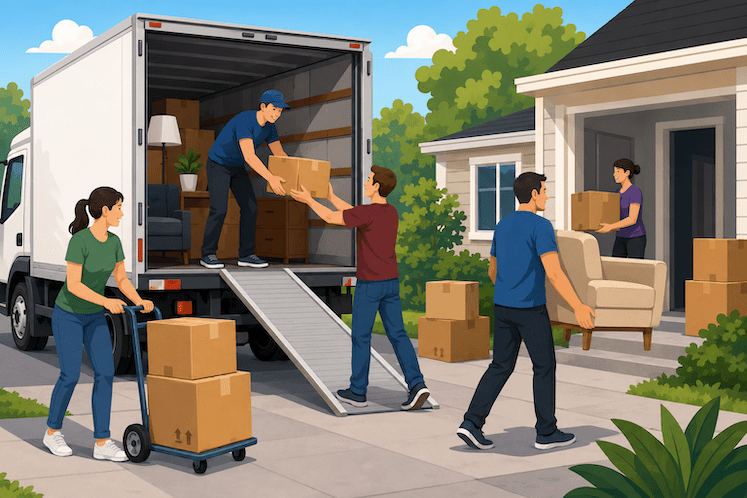

Moving day can feel exhausting, especially after spending hours packing and loading everything you own into a truck. By the time you arrive at your new home, it’s tempting to unload everything as quickly as possible and deal with the mess later. However, unloading a moving truck the right way can save time, prevent injuries, and protect your belongings from unnecessary damage.
A well-planned unloading process helps reduce stress, keeps heavy lifting organized, and makes settling into your new home much easier. Whether you are handling the move yourself or working with professional movers, understanding the safest and most efficient unloading techniques can make a major difference.
Many people focus heavily on packing strategies but overlook how important unloading is during a relocation. Coordinating the unloading process properly can help avoid damaged furniture, strained muscles, and wasted hours carrying items back and forth.
Homeowners preparing for a long-distance move often coordinate their relocation timeline alongside trusted interstate moving company services to make unloading and final delivery more manageable.
Unloading may seem simpler than packing, but it still requires planning and attention. During transit, furniture shifts, boxes settle, and stacked items can become unstable. Rushing through the process increases the risk of accidents and broken belongings.
A structured unloading process helps you:
The goal is not just getting items out of the truck quickly. The goal is unloading everything safely while keeping the process efficient and organized.
One of the biggest mistakes people make is opening the truck and immediately pulling boxes out as fast as possible. Items often move during transportation, especially on long drives or uneven roads.
Before unloading anything, take a moment to inspect the truck carefully.
Heavy furniture may have shifted against stacked boxes during the drive. Loose items can fall unexpectedly once the door opens.
Open the truck door slowly and pay attention to anything leaning or pressing against it. If something appears unstable, stabilize it before unloading the rest of the truck.
Truck floors can become slippery from dust, dirt, or moving blankets. Wear sturdy shoes with good traction and make sure the unloading path remains clear.
When working inside the truck, always stay aware of your footing near the edge of the ramp.
Where you park the truck can affect the entire unloading process.
Choose a flat, level surface whenever possible. Uneven or sloped parking areas increase the risk of rolling equipment, shifting cargo, and unstable ramps.
If you must park on a slight incline, position the truck carefully and engage the emergency brake immediately.
Even on level surfaces, always:
Safety preparation only takes a few minutes and can prevent serious accidents.
People preparing their moving checklist often organize unloading schedules before arrival day.
A coordinated team unloads far faster than a group of people moving randomly.
Before anyone starts lifting boxes, assign clear responsibilities.
One person should remain inside the truck to:
This reduces congestion inside the truck and prevents unnecessary climbing in and out.
The most efficient unloading setup usually works like this:
This system keeps everyone moving consistently without creating bottlenecks.
Even small moving crews can benefit from a simple workflow that minimizes repeated lifting and unnecessary walking.
Instead of carrying every item directly to its final location immediately, create temporary staging areas.
Without staging zones, movers often stop repeatedly to decide where things belong. This slows the process dramatically.
A staging area allows you to:
Garages, entryways, and large living spaces work well for temporary staging.
Proper labels make unloading significantly easier. If boxes are marked by room, movers can place them in the correct area immediately instead of asking questions every few minutes.
This becomes especially important during larger family moves involving multiple bedrooms and bulky furniture.
A hand truck or dolly is one of the most valuable tools during unloading.
Instead of carrying multiple heavy boxes by hand, you can move large stacks safely with less physical strain.
A dolly helps:
Many people underestimate how much energy a dolly saves during long unloading sessions.
Homeowners comparing truck rental considerations before deciding which equipment and accessories they may need.
When moving heavy items down a ramp:
Never rush heavy equipment down the ramp.
Heavy furniture and appliances require extra caution during unloading.
Use moving blankets, cardboard sheets, or floor runners to prevent scratches while carrying furniture into the home.
Corners, stairways, and door frames are common damage points during unloading.
Whether carrying furniture manually or using a dolly, balance matters.
If one side becomes unstable while descending the ramp, the item can shift suddenly and cause injuries or damage.
For oversized furniture, communicate clearly with your partner before every turn or lift.
Families relocating large homes often prepare bulky items in advance using proper furniture moving protection methods to reduce damage risks during unloading.
Not everything needs to be unpacked immediately.
Before moving day, pack a separate essentials box containing:
Unload these items first so you can access them easily throughout the day.
After essentials, focus on:
Having the basics ready helps reduce stress after a long moving day.
Moving is physically demanding work.
Long unloading sessions increase the risk of dehydration, muscle fatigue, and heat exhaustion, especially during summer moves.
Many moving injuries happen because people try to finish too quickly.
Take short breaks regularly, especially when lifting heavy items repeatedly.
Stretching periodically also helps reduce strain on your back and shoulders.
Moving environments can become chaotic very quickly.
Heavy furniture, sharp tools, moving ramps, and constant foot traffic create safety hazards for children and pets.
Whenever possible:
A quieter environment also allows movers to focus and work more efficiently.
As boxes and furniture come off the truck, check for visible damage.
Pay close attention to:
If you hired movers, documenting damage immediately makes claims much easier later.
Once the truck is empty, resist the urge to unpack randomly.
Start with:
Completing one room fully before moving to another helps create a sense of progress and reduces clutter throughout the home.
Even experienced movers make unloading mistakes that slow down the process.
Trying to save trips by carrying oversized loads often leads to dropped boxes or injuries.
Ramps can become slippery or unstable, especially during rain or steep positioning.
Always move slowly with heavy items.
Poor communication while carrying furniture is one of the leading causes of moving accidents.
Simple verbal coordination prevents sudden shifts and awkward lifting angles.
Unloading a moving truck safely takes more than strength alone. A smart unloading strategy helps protect your belongings, reduces physical strain, and allows you to settle into your new home more efficiently.
Starting slowly, organizing your team, using the right equipment, and planning room placement ahead of time can make the entire process smoother from start to finish.
Whether you are handling a local move or relocating across state lines, taking the time to unload properly can help you avoid costly mistakes and unnecessary stress on moving day.
The unloading time depends on the truck size, number of helpers, and distance between the truck and home. Most standard household moves take between two to six hours.
Heavy furniture and appliances are usually unloaded first because they are often loaded toward the front of the truck for stability during transit.
Yes. Many people hire professional movers specifically for unloading heavy furniture and appliances while handling smaller boxes themselves.
Use a dolly whenever possible, move slowly down ramps, maintain proper balance, and communicate clearly with anyone helping carry large items.
Yes, but it takes longer and increases physical strain. Using dollies, ramps, and organized staging areas becomes especially important during solo moves.
