
Moving Containers
Recommendation
Moving Container Reviews
Recommendation
Truck Rentals Reviews
Storage Recommendations
Storage Review
Junk Removal Recommendations
Junk Removal Reviews
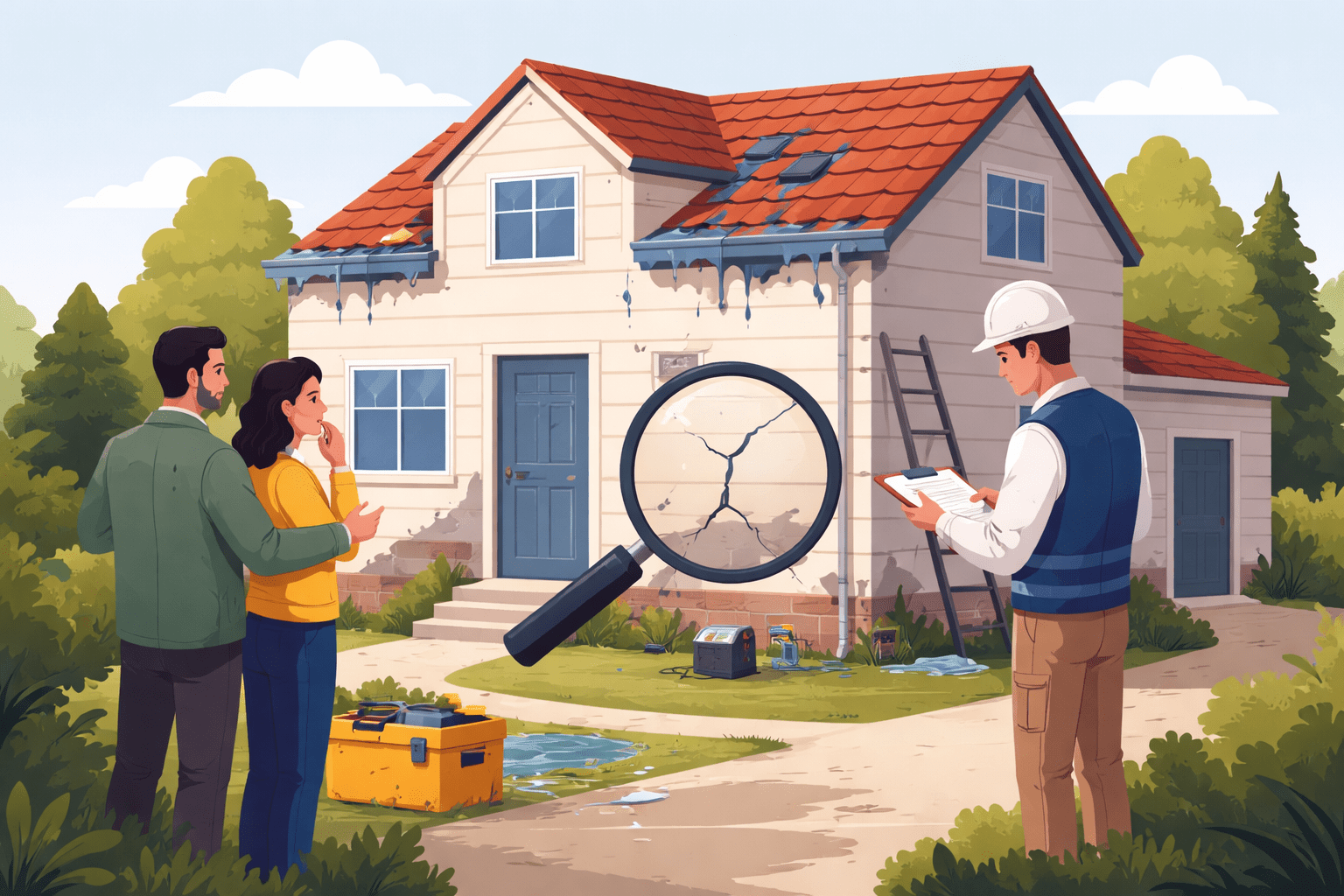

Buying a home is one of the biggest financial decisions most people will ever make. While a property may appear perfect during a viewing, hidden issues can quickly turn a dream purchase into an expensive headache. That’s where a professional house survey becomes invaluable.
A house survey provides a detailed assessment of a property’s condition. It helps identify potential structural problems, maintenance concerns, and hidden defects that could affect the property’s value or safety. For buyers, this information is essential when deciding whether to proceed with the purchase, renegotiate the price, or request repairs.
Understanding what surveyors typically look for can also help you prepare for the process and better interpret the results of the report. In this guide, we’ll walk through the most common house issues that appear during property surveys — and what they mean for buyers.
Before diving into specific problems, it’s important to understand why surveys are such a crucial part of the home-buying process.
A house survey evaluates the structural integrity, safety, and condition of a property. Surveyors assess everything from the roof and insulation to structural stability and moisture issues. Their findings provide buyers with a clearer picture of the property’s true condition beyond cosmetic appearances.
This inspection protects buyers from costly surprises after closing. It also provides leverage during negotiations if serious issues are uncovered.
For property investors, landlords, and homeowners planning long-term occupancy, understanding these risks is especially important. Buyers hoping to generate steady rental income should also understand the responsibilities that come with owning investment properties, including maintenance, tenant management, and long-term planning. Many new investors find it helpful to review what first-time landlords should know before renting out a property so they can better evaluate a home’s condition and potential upkeep costs before purchasing.
Now, let’s examine the most common problems that surveyors identify during home inspections.
The roof is one of the most critical elements of any home. It protects the entire structure from weather, moisture, and environmental damage. Because repairs or replacements can be costly, surveyors pay close attention to the roof’s condition.
During a survey, inspectors typically examine:
Missing or damaged roof tiles
Sagging roof lines
Signs of water intrusion
Deteriorating flashing
Moss or vegetation buildup
Blocked gutters or downpipes
Damaged roofing materials may appear minor but can lead to major issues if ignored. Even small leaks can eventually cause water damage to ceilings, insulation, and structural beams.
Roof repairs can range from minor maintenance to full replacement projects. While replacing a few tiles is relatively inexpensive, extensive structural damage can cost thousands of dollars.
Survey reports will usually indicate whether a roof needs immediate repair or long-term monitoring. Buyers should review these notes carefully and consider repair estimates before finalizing the purchase.
Additionally, clogged gutters or faulty drainage systems can cause water to accumulate around the home’s foundation, leading to further structural concerns over time.
Insulation may not be the first thing buyers think about, but it plays a significant role in comfort and long-term energy costs.
A well-insulated home maintains stable indoor temperatures, reduces heating and cooling expenses, and improves overall energy efficiency.
Surveyors commonly inspect:
Attic insulation levels
Wall insulation
Floor insulation
Drafts around windows and doors
Ventilation systems
Older homes frequently have outdated or insufficient insulation, which can lead to higher utility bills and inconsistent indoor temperatures.
Insufficient insulation doesn’t necessarily mean a property is a bad investment. In many cases, improving insulation is relatively affordable and can significantly increase a home’s efficiency.
However, larger upgrades — such as insulating entire floors or walls — may require more extensive work.
For buyers considering investment properties, energy efficiency improvements can increase rental appeal and long-term value. Lower utility costs and improved comfort can make a property more attractive to tenants while protecting long-term profitability. Many investors also spend time learning how to buy a first rental property so they can make smarter purchasing decisions and avoid costly surprises after closing.
Structural issues are among the most serious findings that can appear in a house survey. While not every crack or movement indicates a major problem, certain warning signs require closer investigation.
Surveyors carefully inspect for:
Large cracks in walls or foundations
Uneven floors
Misaligned doors or windows
Bowing or leaning walls
Evidence of subsidence
Small hairline cracks are common in many homes and often result from normal settling. However, cracks wider than approximately 10 millimeters may indicate structural movement or foundation problems.
Structural movement can occur for several reasons, including:
Soil movement beneath the foundation
Water damage or drainage problems
Poor construction practices
Tree roots affecting soil stability
Aging structural materials
If surveyors detect concerning cracks or movement, they may recommend a structural engineer’s assessment. This deeper investigation determines whether the issue is cosmetic or requires major structural repair.
Structural repairs can be among the most expensive home repairs. In some cases, buyers may choose to renegotiate the purchase price or request that the seller complete repairs before closing.
However, not all structural concerns are deal-breakers. Some issues are manageable with the right professional evaluation and repair plan.
The key is understanding the severity of the problem and estimating the cost of resolving it.
Dampness is one of the most frequently reported problems during house surveys, particularly in older properties.
Moisture can affect walls, ceilings, floors, and even structural components. Over time, untreated damp problems may lead to mold growth, wood rot, and indoor air quality issues.
Surveyors typically look for three main types of damp:
Rising damp
This occurs when groundwater travels upward through walls due to failed damp-proof barriers.
Penetrating damp
Water enters the property through damaged roofs, walls, or gutters.
Condensation
Excess indoor moisture accumulates on surfaces due to poor ventilation.
Indicators of damp problems include:
Peeling paint or wallpaper
Musty odors
Mold growth
Stained ceilings or walls
Rotting wood
Small damp patches are often straightforward to repair. However, widespread moisture problems may require extensive work such as replacing damaged plaster, repairing external walls, or improving ventilation systems.
Treating damp without identifying the source rarely solves the issue long term. For example, repainting a damp wall may hide the problem temporarily, but moisture will eventually return if the underlying cause isn’t addressed.
Survey reports usually recommend further inspection if moisture levels appear unusually high.
Although plumbing systems may not always be fully inspected during basic surveys, surveyors still look for visible signs of water damage or drainage problems.
Some red flags include:
Slow drainage
Water stains under sinks
Corroded pipes
Poor water pressure
Evidence of past leaks
Outdated plumbing systems can also raise concerns, particularly in older homes where pipes may need upgrading.
Proper drainage is essential for protecting a home’s structure. Surveyors examine:
Downpipes and gutter systems
Surface water drainage
Yard grading and slope
Foundation drainage systems
Poor drainage can cause water to accumulate around the foundation, increasing the risk of structural damage and basement flooding.
Electrical systems are another area of concern, particularly in older properties.
Although surveyors usually conduct visual inspections rather than full electrical testing, they still note signs that may require professional evaluation.
Common warning signs include:
Outdated fuse boxes
Exposed wiring
Burn marks on outlets
Insufficient electrical capacity
Poorly installed wiring
If any of these issues appear in the survey report, buyers should consider requesting a certified electrician to perform a detailed inspection.
Upgrading electrical systems may be necessary to meet modern safety standards and support current appliance loads.
Pest damage can also appear in house surveys, particularly in properties that have been vacant or poorly maintained.
Surveyors sometimes identify evidence of:
Termites
Rodents
Wood-boring insects
Carpenter ants
These pests can cause significant structural damage if left untreated.
Inspectors often look for:
Hollow-sounding wood
Droppings
Chewed materials
Nesting areas in attics or basements
Professional pest control inspections may be recommended if any signs of infestation are detected.
Beyond the interior, surveyors also assess the external condition of the property.
This includes evaluating the walls, windows, driveway, and landscaping.
Survey reports sometimes highlight:
Cracked exterior walls
Damaged brickwork or siding
Poor drainage near the foundation
Broken or poorly sealed windows
Aging driveways or walkways
While some of these problems are cosmetic, others may indicate deeper structural concerns.
Regular maintenance and proper water management help prevent many exterior issues from developing into major repairs.
Receiving a survey report can feel overwhelming, especially if it lists multiple issues.
However, most homes — even newer ones — will show some level of wear and maintenance needs.
The key is distinguishing between:
Minor maintenance items
Moderate repair needs
Major structural problems
Buyers often use survey findings to negotiate repairs, request price reductions, or plan future renovations.
In many cases, the report simply provides clarity and reassurance about the property’s condition.
A professional house survey provides invaluable insight into the true condition of a property. While cosmetic details may attract buyers during a viewing, the survey reveals what lies beneath the surface.
From roof problems and insulation gaps to structural cracks and damp issues, understanding these potential red flags helps buyers make smarter, more informed decisions.
Rather than viewing survey findings as obstacles, think of them as tools. They provide the knowledge needed to negotiate effectively, plan future improvements, and protect your investment.
With the right information, buyers can move forward confidently — knowing exactly what to expect from their new home.
