
Moving Containers
Recommendation
Moving Container Reviews
Recommendation
Truck Rentals Reviews
Storage Recommendations
Storage Review
Junk Removal Recommendations
Junk Removal Reviews
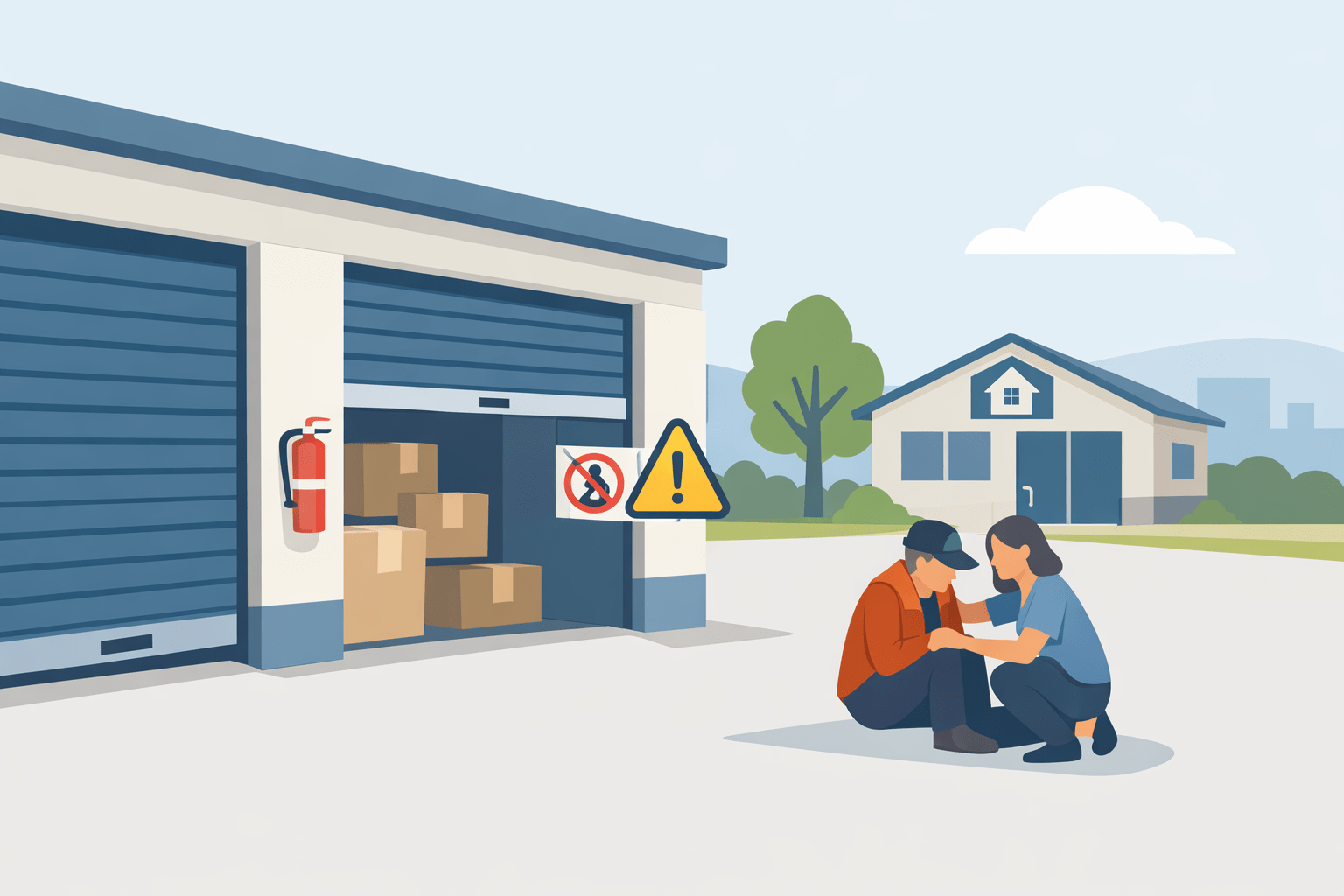

Living inside a storage unit might seem like a cheap or temporary solution for those facing financial hardships or housing emergencies, but it is strictly illegal and extremely unsafe. Storage units are designed for keeping belongings, not as living spaces. Violating this rule can lead to eviction, legal trouble, and serious health risks.
If you’re struggling due to natural disasters, job loss, or financial difficulties, it’s important to explore safe alternatives. Many people may turn to friends, family, or emergency shelters, while others may consider storage units out of desperation. Storage units are less expensive than renting an apartment, which is why some people make the risky choice of living in them. However, the dangers far outweigh any perceived convenience.
Authorities across the United States have removed hundreds of individuals from storage units due to safety and health concerns. If you find yourself in this situation, local municipalities often provide resources like shelters, food banks, and emergency funds. Storage facility staff can also assist by connecting you with local resources to help you find a safe, legal place to stay.
Storage facilities enforce strict rules to ensure the safety of their clients’ belongings. Living in a unit violates these rules and puts individuals at risk. Here are the main reasons why it’s illegal:
Storage units are typically secured with roll-up doors that lock from the outside. Facility staff routinely check units to ensure doors are closed and secured. Being locked in a unit can be deadly in emergencies. Tragically, there have been cases where people have died in storage units during fires because they could not escape.
Natural light is essential for mental and physical health. Storage units often have no windows, which can contribute to depression and anxiety. Poor lighting and confined spaces can also negatively impact children’s health and development.
Storage units lack running water, making basic hygiene nearly impossible. Without access to bathrooms or showers, living in a storage unit can quickly lead to health problems, dehydration, and general discomfort.
Cooking in a storage unit is extremely hazardous. Units are not ventilated, and using grills or open flames can easily start a fire or release toxic fumes. Attempting to cook inside can result in suffocation or serious injury.
Beyond the safety hazards, living in a storage unit violates local and federal housing laws. Those caught can face eviction, fines, or other legal consequences. If you’re in a crisis, the safest step is to contact your local government or the storage facility staff, who can direct you to proper shelter and assistance programs.
If you are facing homelessness or temporary housing challenges, several options can help:
Emergency Shelters: Most municipalities maintain a list of emergency shelters that provide food, lodging, and support services.
Local Government Programs: Many cities offer short-term financial assistance, temporary housing funds, or referrals to safe accommodations.
Friends and Family: Leaning on a trusted network can provide a temporary safe place while seeking long-term solutions.
Taking these steps ensures safety, legal compliance, and access to resources designed to support people in need.
Storage units are intended for personal belongings, but not all items are permitted. Understanding what’s prohibited will keep your items safe and avoid legal issues.
Combustible items like gasoline, propane, and certain chemicals are banned in storage units. These materials can easily ignite, endangering your belongings and the facility.
Some medications contain hazardous or radioactive components. It’s important to check with your mover or storage facility before storing medical supplies.
Many storage facilities prohibit firearms and ammunition due to their combustible nature. Always inform your mover and follow local regulations when storing weapons.
Unregistered or uninsured vehicles are not allowed in storage units. Ensure all documentation is current and verify with your mover before storing vehicles.
Although generally harmless, scented items can attract pests, rodents, and insects. Store these in airtight containers to prevent damage and contamination of other belongings.
Living inside a storage unit is illegal, unsafe, and unhealthy. While storage units may seem like an affordable alternative, the risks—including fire hazards, health issues, and legal consequences—are significant. If you find yourself without a safe place to stay, contact your local municipality or storage facility staff to access shelters, food banks, and emergency assistance. Protect yourself and your well-being by seeking safe, legal alternatives.
