
Moving Containers
Recommendation
Moving Container Reviews
Recommendation
Truck Rentals Reviews
Storage Recommendations
Storage Review
Junk Removal Recommendations
Junk Removal Reviews
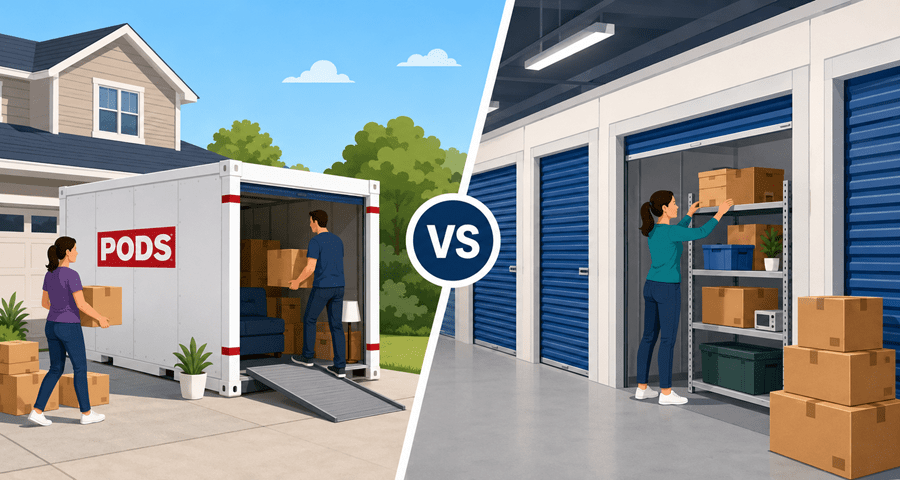

When you need extra space during a move, renovation, downsizing project, or business transition, choosing between PODS and traditional self-storage can feel surprisingly complicated. Both options solve storage problems, but they work very differently in terms of convenience, flexibility, accessibility, and cost.
Some people want portable storage delivered directly to their driveway, while others prefer a secure storage facility they can visit anytime. The right choice depends on your timeline, budget, and how often you need access to your belongings.
In this guide, we’ll break down the biggest differences between PODS and self-storage units, compare pricing and convenience, and help you decide which solution makes the most sense for your situation.
PODS stands for Portable On Demand Storage. Instead of driving your belongings to a storage facility, a portable container is delivered directly to your home or business.
You load the container at your own pace, and the company either keeps it on your property or transports it to a secure storage center.
Many people searching for pods storage units are usually looking for a flexible moving-and-storage solution that eliminates multiple trips to a facility.
The process is relatively simple:
This model is especially popular for long-distance relocations and temporary renovations because it reduces handling and transportation stress.
If you’re planning a major relocation across state lines, working with the best interstate moving and storage providers can also help simplify the process when combining moving and storage services.
Traditional self-storage involves renting a unit at a storage facility. You transport your items to the location yourself and access the unit whenever the facility allows.
Storage units come in various sizes, including:
People often search for self storage units near me when they want quick local access to stored belongings without long-term contracts.
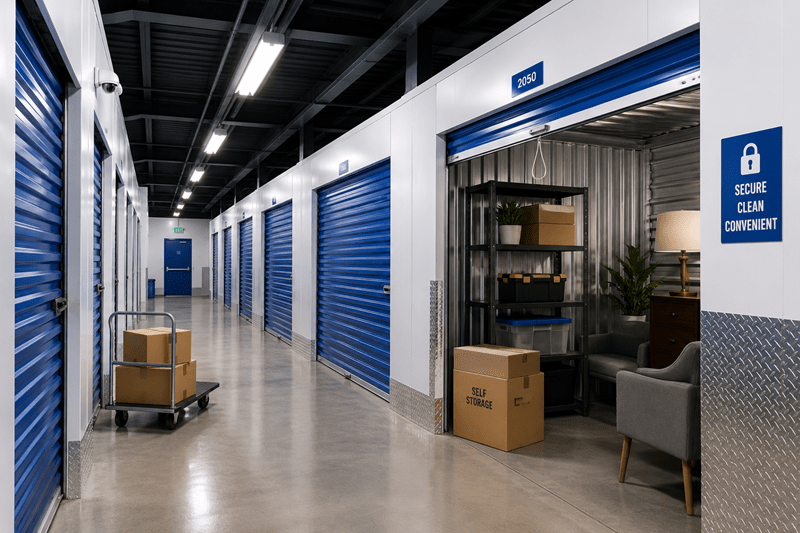
Most storage centers offer:
This makes self-storage ideal for people who need regular access to their items or prefer a lower monthly rate.
Convenience is usually the biggest factor when comparing PODS and self-storage.
With portable storage, the container comes to you. That means no truck rental, fewer loading trips, and less heavy lifting over long distances.
This setup works especially well for:
You can load items over several days instead of rushing through a single move-out day.
Traditional storage requires you to move everything yourself or hire movers.
While that involves more effort, some people prefer having direct access to a permanent facility rather than a container sitting outside their property.
For renters or homeowners with limited parking space, self-storage can also be more practical than keeping a portable container onsite.
Price is one of the most important differences between these storage options.
Portable storage often includes:
As a result, pods storage units cost more than standard storage in many markets, especially for long-distance transportation.
However, the added convenience may justify the higher price if you want a simpler moving experience.
Traditional facilities typically have lower monthly rates because transportation isn’t included.
People searching for cheap self storage units near me are usually prioritizing affordability over convenience.
Costs vary depending on:
Urban facilities generally cost more than suburban or rural storage centers.
Before choosing a storage solution, think about how often you’ll need access to your belongings.
Most facilities allow daily access during business hours, and some offer 24/7 entry.
This works well if you need to:
For business owners, understanding why online businesses need temporary storage can help determine whether portable or facility-based storage makes more operational sense.
If your container is stored at a remote facility, retrieving items may require scheduling a redelivery.
That makes PODS less convenient for people who frequently need access to stored belongings.
Still, if you only need storage during a transition period, occasional access may not be a major issue.
Security matters whether you’re storing furniture, business inventory, electronics, or family keepsakes.
Many modern facilities include:
These features provide peace of mind, especially for long-term storage.
Portable containers are built with strong locking systems, but containers stored on residential driveways may be more exposed to weather and visibility.
If security is a top concern, facility-based indoor storage may feel safer.
The answer depends on the complexity of your move.
Portable storage is useful if:
Instead of unloading and reloading multiple times, your container moves with you.
Traditional storage works better if:
It’s also easier to compare self storage units prices across multiple local facilities.
Some belongings require stable temperatures and humidity levels.
Climate-controlled units help protect:
Traditional facilities typically provide more climate-control availability than portable containers.
Depending on the company and location, portable containers may not offer advanced temperature protection.
That’s something to consider if you’re storing sensitive or valuable items for extended periods.
PODS are often the better fit when:
They’re especially convenient for families juggling moving schedules and renovation delays.
Self-storage is usually the smarter choice when:
If you’re new to renting storage space, reviewing these first-time storage rental tips can help you avoid common mistakes before signing a contract.
Before committing to either option, ask yourself a few practical questions:
Short-term moving projects often favor portable storage, while long-term needs usually make self-storage more economical.
Frequent access strongly favors traditional storage facilities.
Not every property or neighborhood allows driveway containers.
Self-storage requires more logistics, especially during large moves.
When evaluating your options, understanding the key factors involved in renting a storage unit can help you make a more cost-effective decision.
There’s no universal winner between PODS and self-storage because both serve different needs.
PODS provide unmatched convenience and flexibility during moves, renovations, and transitional living situations. They simplify transportation and reduce the stress of loading and unloading multiple times.
Traditional self-storage, on the other hand, usually offers lower monthly costs, easier access, stronger climate-control options, and more advanced facility security.
If convenience and flexibility matter most, portable storage may be worth the extra cost. If affordability and regular access are your priorities, self-storage is likely the better investment.
The best choice ultimately depends on your timeline, budget, and how you plan to use the space.
Usually no, because PODS include transportation and delivery fees.
Not always; access depends on whether the container stays onsite or at a storage facility.
Many facilities offer climate-controlled options for sensitive belongings.
PODS are often more convenient for long-distance relocations.
Estimate your inventory carefully and choose slightly larger space if needed.
