
Moving Containers
Recommendation
Moving Container Reviews
Recommendation
Truck Rentals Reviews
Storage Recommendations
Storage Review
Junk Removal Recommendations
Junk Removal Reviews
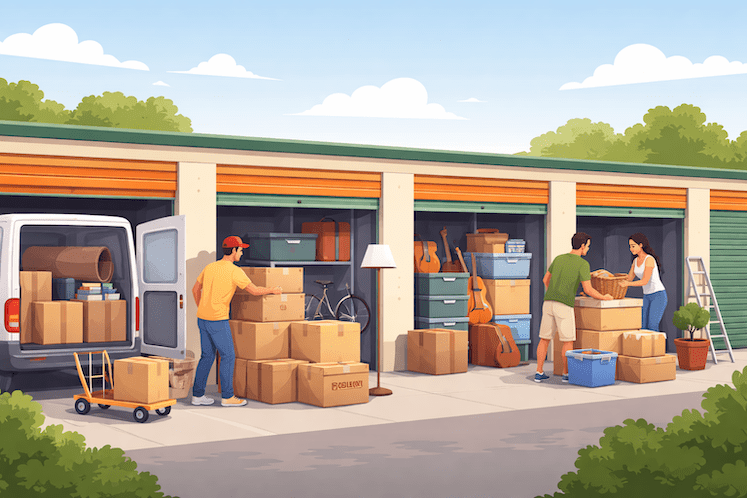

Renting a storage unit for the first time can feel straightforward—until you’re faced with dozens of sizes, pricing options, and rules you didn’t expect. Whether you’re moving, downsizing, or simply need extra space, understanding how self-storage works can save you time, money, and stress.
This comprehensive guide walks you through everything you need to know about self-storage—from comparing prices and choosing the right unit size to packing efficiently and avoiding costly mistakes.
Not all storage facilities are priced the same, even within the same area. Before committing, take time to compare multiple providers online.
Look beyond just the monthly rate. Consider accessibility, location, and convenience. A slightly higher-priced facility closer to your home might save you time and transport costs in the long run.
When comparing options, ask yourself:
How close is the facility to my home or workplace?
Are there flexible rental terms or online booking options?
Does the facility have availability for my required unit size?
Facilities often offer promotions for first-time renters, so it’s worth asking about discounts or introductory rates.
One of the most common mistakes first-time renters make is choosing the wrong unit size. Guessing can lead to overpaying for unused space—or worse, running out of room halfway through moving in.
Start by creating a simple inventory of everything you plan to store. Include furniture, boxes, and oddly shaped items. Measuring large items like sofas or appliances can help you estimate space more accurately.
If you’re unsure, most facilities can recommend a size based on your inventory. It’s better to spend a few extra minutes planning than to deal with the inconvenience later.
Storage units generally fall into two categories: indoor and outdoor.
Outdoor units are typically more affordable and allow you to drive directly up to your unit. This makes loading and unloading faster and easier.
Indoor units, on the other hand, are located within a building and offer better protection from weather conditions. These are ideal for sensitive items like electronics, documents, or wooden furniture.
If you’re storing valuable or delicate belongings, climate-controlled indoor storage is often worth the extra cost.
Most reputable storage facilities require some form of insurance coverage. This protects your belongings in case of unexpected damage, theft, or natural disasters.
You usually have three options:
Extend your existing renter’s insurance policy
Add coverage through your homeowner’s insurance
Purchase insurance directly through the storage provider
While it might seem like an added expense, insurance provides essential peace of mind—especially if you’re storing high-value items.
Security should be a top priority when using a storage unit. Start by investing in a high-quality lock. Disc locks or cylinder locks are typically more resistant to tampering than standard padlocks.
Equally important is choosing a facility with strong security features, such as:
Well-lit premises
Surveillance cameras
Gated access with entry codes
On-site management
Your items are only as safe as the facility you choose, so don’t compromise here.
Throwing everything into your unit without a plan might save time initially—but it creates frustration later when you need to find something.
Instead, think of your storage unit like a mini warehouse.
Start by placing large, heavy items at the back. Keep frequently used items near the front. Leave small walkways so you can move around without unpacking everything.
Label every box clearly, and consider keeping a simple inventory list. Some people even sketch a layout map of their unit, which can be surprisingly helpful.
Proper packing makes a significant difference in how well your belongings hold up over time.
Follow these essential storage tips:
Keep items off the ground using pallets or shelving
Use plastic bins instead of cardboard for long-term storage
Wrap fragile items with padding or bubble wrap
Disassemble large furniture to save space
Avoid storing perishables, flammable items, or anything that could attract pests. For sensitive items like artwork, electronics, or antiques, climate-controlled storage is highly recommended.
Maximizing your storage space isn’t just about fitting everything in—it’s about maintaining accessibility and protecting your items.
Stack boxes vertically, but don’t overload them. Place heavier boxes at the bottom and lighter ones on top. Use uniform box sizes when possible to make stacking easier and more stable.
Avoid cramming everything tightly together. Air circulation helps prevent moisture buildup and keeps your items in better condition.
Before signing any agreement, read the contract carefully. Storage facilities often have specific rules about payment schedules, late fees, and access hours.
Many providers offer auto-pay options, which can help you avoid missed payments. Falling behind on rent can lead to penalties—or in extreme cases, auctioning off your stored items.
Make sure you understand:
Monthly payment deadlines
Late fee policies
Access hours and restrictions
Minimum rental periods
Clear expectations upfront help prevent costly surprises later.
Every storage facility has rules designed to maintain safety and order. Ignoring them can result in fines or even termination of your rental agreement.
Common restrictions include:
No living inside storage units
No running a business from standard units
No storage of hazardous materials like gasoline
No firearms or explosives
These rules are in place for safety reasons, so it’s important to follow them closely.
When it’s time to vacate your unit, proper planning can help you avoid extra charges.
Some facilities require advance notice—often 30 days—before you move out. If you miss this window, you might be billed for an additional month.
To avoid unnecessary costs:
Confirm the required notice period
Schedule your move-out near the end of your billing cycle
Clean the unit before leaving if required
A smooth exit ensures you don’t pay more than necessary.
Even with the best intentions, first-time renters often make avoidable mistakes. Here are a few to watch out for:
Choosing a unit size without proper planning
Ignoring insurance requirements
Packing without labeling boxes
Using low-quality locks
Overfilling the unit without organization
Avoiding these pitfalls can significantly improve your storage experience.
Renting a storage unit doesn’t have to be complicated. With the right approach, it can be a simple and effective solution for managing your space.
Take time to research facilities, plan your storage layout, and protect your belongings properly. Small decisions—like choosing the right unit size or organizing your boxes—can make a big difference in both cost and convenience.
Whether you’re storing items short-term during a move or long-term for extra space, being informed helps you stay in control of your storage experience from start to finish.
