
Moving Containers
Recommendation
Moving Container Reviews
Recommendation
Truck Rentals Reviews
Storage Recommendations
Storage Review
Junk Removal Recommendations
Junk Removal Reviews
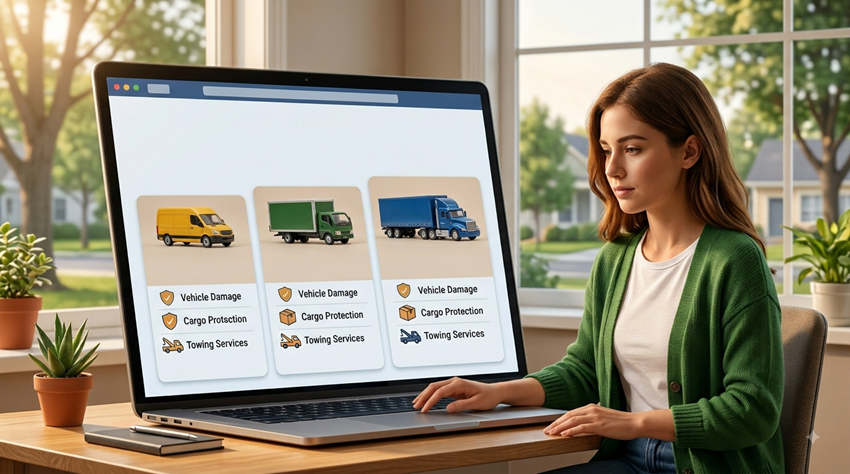

Renting a truck can make an interstate move more flexible and affordable, but insurance is one part of the rental agreement you should not treat as an afterthought. The right moving truck insurance can help protect you from unexpected costs involving the rental vehicle, other people, and your belongings.
A rental truck is different from your everyday car. It is larger, heavier, harder to maneuver, and often driven for a longer distance than your normal commute. That changes the financial risk if something goes wrong.
Moving truck insurance is designed to address gaps that may exist between the rental company’s protection and your existing personal policies. Depending on the plan, coverage may apply to the vehicle, third-party damage, or the possessions you carry.
Before signing the rental agreement, ask exactly what protection is included and what you must purchase separately. Never assume that coverage attached to your personal vehicle automatically follows a rental truck.
The phrase moving truck insurance can refer to several different types of protection. Understanding each one makes it easier to avoid paying for coverage you do not need while also avoiding dangerous gaps.
Liability protection generally helps cover bodily injury or property damage you cause to another person while operating the rental vehicle. It can also help with legal expenses, depending on the policy terms.
For an interstate move, liability limits deserve particular attention because an accident can create substantial costs. Ask whether the rental company’s liability protection is included, optional, or subject to specific conditions.
Collision-related protection may help pay for damage to the rental vehicle after an accident. Other forms of physical-damage protection can address risks such as theft, vandalism, fire, or certain weather events.
A deductible may apply, so compare the deductible with the premium before choosing a plan. A lower premium is not necessarily the better deal if it leaves you with a large out-of-pocket bill after an incident.
Your furniture, appliances, electronics, clothing, and other household goods may not be covered by the same protection that covers the vehicle. Personal-property coverage can address loss or damage to belongings, subject to policy limits and exclusions.
High-value possessions may have special limits, so create an inventory before the move. Keep receipts, photographs, and other records for expensive items.
One of the first steps in choosing moving truck insurance is checking what you already have. Your auto policy may provide some rental-vehicle protection, but coverage varies by insurer, vehicle type, location, and policy language.
Renters or homeowners insurance may also protect personal belongings in certain situations. However, it may not cover every part of a truck rental or every stage of an interstate move.
Call your insurer before pickup day and ask specific questions. Confirm whether the policy covers the rental vehicle itself, liability, personal belongings in transit, and the entire route.
If you are unsure how much protection you need, compare the rental company’s plan with independent options and your existing coverage. The goal is not simply to buy more insurance; it is to close meaningful gaps.
For a broader understanding of protection during a long-distance move, review this guide to interstate moving insurance before making your final decision.
Several factors influence the price of moving truck insurance. Vehicle size, rental period, travel distance, destination, selected limits, deductible, and driver information can all affect the quote.
Vehicle size matters because a larger vehicle can create different levels of risk. Your route and rental duration also matter because longer trips mean more time exposed to potential accidents or damage.
Your personal risk tolerance matters as well. Choosing a higher deductible can reduce the premium, while a lower deductible can increase the upfront cost but reduce what you may pay after a covered claim.
When comparing the overall moving truck cost, keep insurance separate from fuel, mileage, rental fees, taxes, equipment, and deposits. This gives you a more realistic moving budget.
A moving truck cost calculator can help you compare rental scenarios before requesting final quotes. Treat the result as an estimate rather than a guaranteed price.
If mileage is a major concern, also compare the moving truck cost per mile alongside the base rental price. This can make a significant difference on longer interstate routes.
Start by requesting a written quote from the rental company. Then compare it with your existing policies and reputable third-party alternatives.
Look at more than the premium. Check liability limits, physical-damage protection, personal-property limits, deductibles, exclusions, additional-driver rules, and geographic restrictions.
If you are researching the best interstate moving companies, compare their insurance requirements and recommendations as part of your broader moving plan. Even when you rent a vehicle yourself, understanding how professional movers handle risk can help you ask better questions.
For self-movers, the rental itself is another major decision. You can compare the best moving truck rental companies before choosing a vehicle, route, and protection package.
Some credit cards offer rental-vehicle protection, but the terms may not apply to moving trucks. Commercial-style vehicles, large trucks, long rental periods, or certain destinations can be excluded.
Never rely on a credit card benefit without checking the actual terms. Call the card issuer and ask whether the exact vehicle type and rental arrangement qualify.
Also determine whether the benefit is primary or secondary and whether it covers damage only or includes liability. Those distinctions can significantly change your financial exposure.
Third-party coverage can be useful when the rental company’s options do not match your needs. It may offer different limits, deductibles, or terms, depending on the provider.
However, third-party insurance is not automatically better. Compare the policy wording, exclusions, claim process, and eligibility requirements with the rental company’s package.
The best choice is the policy that provides appropriate protection for your specific move without duplicating coverage you already have.
A short local rental and a cross-country relocation present different risks. Long-distance driving means more hours on the road, more stops, and more opportunities for weather, traffic, or vehicle-related problems.
Your moving truck insurance decision should therefore reflect the route rather than just the vehicle’s size. If you are crossing several states, verify that the coverage remains valid throughout the journey.
It is also worth reviewing how inflation is driving up moving costs when building your overall relocation budget. Insurance is only one part of the expense, and small overlooked charges can add up quickly.
The cheapest rental is not always the least expensive option once fuel, mileage, equipment, protection, and deposits are included. Compare the complete rental package instead of focusing on the base rate.
If you are searching for the cheapest truck rental, check the total price for your dates and route. A lower advertised rate can become more expensive after mileage charges, equipment fees, or coverage are added.
A budget moving truck may make sense for a carefully planned relocation, but the lowest upfront price should not determine your decision by itself.
For a broader comparison of major rental options, researching u-haul vs penske vs budget can help you understand differences in pricing, vehicle options, policies, and service terms.
One common mistake is assuming personal auto insurance automatically provides complete protection. Another is choosing a policy based only on price without checking exclusions.
Do not wait until pickup to discover that an additional driver is not covered. Make sure every person who will drive the vehicle meets the rental company’s requirements.
Avoid underestimating the value of your belongings, too. If you need personal-property protection, create a realistic inventory rather than guessing at the total value.
Another important consideration is moving truck insurance coverage for high-value possessions. Check category limits for electronics, jewelry, collectibles, and other expensive items before assuming everything is fully protected.
Finally, keep your rental agreement, policy documents, inventory, photographs, and receipts together. Good documentation can make a claim much easier to manage.
If an accident occurs, prioritize everyone’s safety and follow applicable reporting requirements. Contact emergency services when necessary and notify the rental company as soon as practical.
Take photographs of the scene and damage, exchange required information, and collect witness details when appropriate. Do not make assumptions about fault or promise payment on the spot.
Then contact the insurer or protection provider and follow its claims process. Keep copies of reports, repair estimates, receipts, and correspondence.
A clear paper trail can be valuable when a claim involves several parties or different types of coverage.
The right moving truck insurance gives you a clearer financial safety net during a demanding relocation. The key is understanding exactly what is covered, what is excluded, and where your existing policies fit into the picture.
Before renting, compare liability protection, vehicle-damage coverage, personal-property protection, deductibles, and exclusions. Then choose the option that fits your route, vehicle, belongings, and budget.
Taking a few extra minutes to compare moving truck insurance options before pickup can prevent costly surprises later. With the right preparation, you can focus less on what could go wrong and more on completing your move safely and efficiently.
Requirements vary by rental company, location, and coverage type, so confirm the rules before pickup.
Some policies may provide limited protection, but large moving trucks are often treated differently from standard rental cars.
Only if the selected policy includes personal-property coverage and the items fall within its limits and exclusions.
Compare it with your existing and third-party coverage, then choose the option that closes your actual gaps.
Review liability limits, vehicle damage, personal-property protection, deductibles, exclusions, drivers, and geographic restrictions.
