
Moving Containers
Recommendation
Moving Container Reviews
Recommendation
Truck Rentals Reviews
Storage Recommendations
Storage Review
Junk Removal Recommendations
Junk Removal Reviews
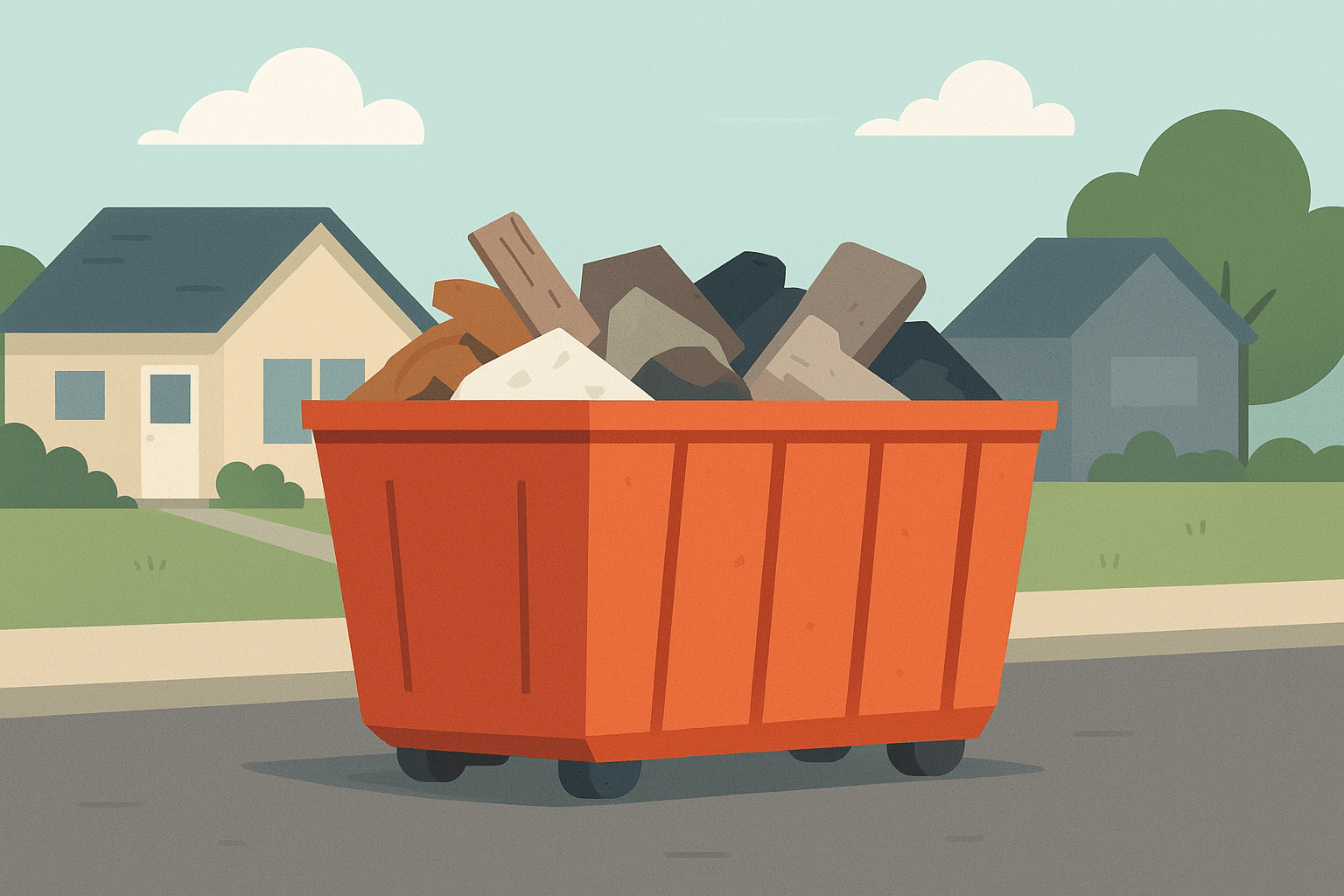

Renting a dumpster is one of those expenses that seems simple until you begin comparing prices. Whether you’re renovating a home, clearing out storage space, managing construction debris, or coordinating a move, understanding dumpster rental costs upfront helps prevent unexpected charges. While many providers advertise similar base rates, the final cost often depends on several factors that are easy to overlook.
If you’re trying to determine how much a dumpster rental really costs, this article explains the pricing structure clearly. From dumpster size and rental duration to location and debris type, you’ll gain a realistic understanding of what affects pricing and how to plan efficiently.
Dumpster rental pricing varies based on logistics, disposal requirements, and service terms. Knowing these elements ahead of time allows you to choose the right option without paying more than necessary.
Dumpster size is one of the most significant pricing factors. Containers are measured in cubic yards, which reflect how much waste they can hold. Smaller dumpsters typically cost less, but choosing a size that’s too small can result in overage fees or the need for a second rental.
For light cleanouts or small renovation work, compact dumpsters are usually sufficient. Larger remodeling projects or construction jobs require higher-capacity containers to handle heavier debris safely.
Most dumpster rentals include a standard rental window, commonly seven to ten days. Extending the rental beyond that period usually adds daily or weekly fees. Shorter rentals are more cost-effective, while longer projects should factor extended use into the budget.
Careful scheduling helps avoid unnecessary rental extensions and keeps disposal costs predictable.
Location plays a direct role in determining dumpster rental rates. Urban areas often have higher costs due to landfill fees, fuel expenses, and increased demand. In contrast, rural areas may offer lower base pricing but include delivery surcharges based on distance.
Some municipalities also require permits if the dumpster is placed on public property, which can add to the total cost.
The type of waste placed in the dumpster affects pricing. General household debris is usually included in standard rates, while heavier materials such as concrete, roofing shingles, soil, or mixed construction waste can increase disposal fees.
Certain items are prohibited altogether, and disposing of restricted materials can result in penalties if not disclosed in advance.
Optional services like same-day delivery, weekend pickup, or additional hauls can raise the total cost. Pricing also varies by provider, which is why comparing quotes often helps identify transparent pricing and better overall value.
While exact pricing depends on location and usage, the following ranges provide a general benchmark.
Small dumpsters work well for garage cleanouts, attic decluttering, or minor remodeling projects. These rentals typically cost between $200 and $500, depending on the rental duration and local disposal fees.
Medium-sized dumpsters are commonly used for kitchen renovations, flooring replacements, landscaping projects, and moderate construction work. Pricing generally ranges from $400 to $800, offering a balance between capacity and cost.
Large dumpsters are designed for major renovations, demolition work, or commercial cleanouts. These containers usually cost $800 to $1,000 or more, especially when handling heavy materials or extended rental periods.
These prices are averages and can fluctuate based on debris type, weight limits, and service location.
Dumpster rentals are ideal for projects that generate waste over time, but they are not always the most efficient solution. In some cases, junk removal services offer greater convenience and comparable value.
Dumpster rentals require you to load debris yourself and manage the container during the rental period. Junk removal services handle all lifting, hauling, and disposal in a single visit, which can be especially helpful for bulky or heavy items.
Many homeowners explore full-service options after reviewing cost comparisons, particularly when time savings and responsible disposal are priorities.
Junk removal companies simplify the cleanup process by eliminating the need for loading, sorting, and extended rentals. These services are well-suited for quick cleanouts, property turnovers, and situations involving large or awkward items.
Professional crews are trained to handle disposal responsibly, ensuring recyclable materials are separated properly and usable items are diverted from landfills whenever possible.
Choosing a reliable junk removal provider involves evaluating more than just price. Experience, customer reviews, service coverage, and disposal practices all contribute to service quality.
Companies that communicate clearly, provide upfront pricing, and arrive on schedule tend to deliver the best overall experience.
Several well-known providers have built strong reputations for consistent service. Junk King is widely recognized for professional crews and eco-conscious practices. National services like 1-800-GOT-JUNK are known for comprehensive hauling solutions, while College HUNKS Hauling Junk & Moving offers residential and commercial services with an emphasis on efficiency and professionalism.
Dumpster rental quotes may not always reflect the final invoice. Common extra charges include exceeding weight limits, overfilling the container, extending the rental period, or disposing of restricted materials.
Reviewing rental terms carefully and confirming details before delivery helps prevent unexpected charges.
Sustainable waste disposal is becoming increasingly important for homeowners and businesses. Some providers prioritize recycling and responsible sorting to reduce landfill impact.
Understanding environmentally responsible practices can help align your cleanup project with sustainability goals without significantly increasing costs.
Accurately estimating the volume of waste your project will generate is one of the most effective ways to control rental costs. Choosing a dumpster that is too small often results in added fees, while a slightly larger container can prevent costly overages.
When unsure, opting for the next size up is usually the more economical choice.
Yes. Selecting the correct dumpster size, limiting the rental period, and avoiding prohibited materials can significantly reduce costs.
Some providers offer flexibility, particularly for long-term rentals or repeat customers.
Most rentals include delivery, pickup, and disposal within specified weight limits, but details vary by provider.
Permits may be required if the dumpster is placed on public property. Local regulations determine this requirement.
Dumpster rentals are often more economical for long-term projects, while junk removal services offer convenience and time savings for short-term cleanouts.
Dumpster rental costs become much easier to manage once you understand how pricing works. Size, duration, location, debris type, and service terms all influence the final amount. Comparing providers, planning ahead, and choosing the right disposal method ensures efficient cleanup without unnecessary expense.
