
Moving Containers
Recommendation
Moving Container Reviews
Recommendation
Truck Rentals Reviews
Storage Recommendations
Storage Review
Junk Removal Recommendations
Junk Removal Reviews
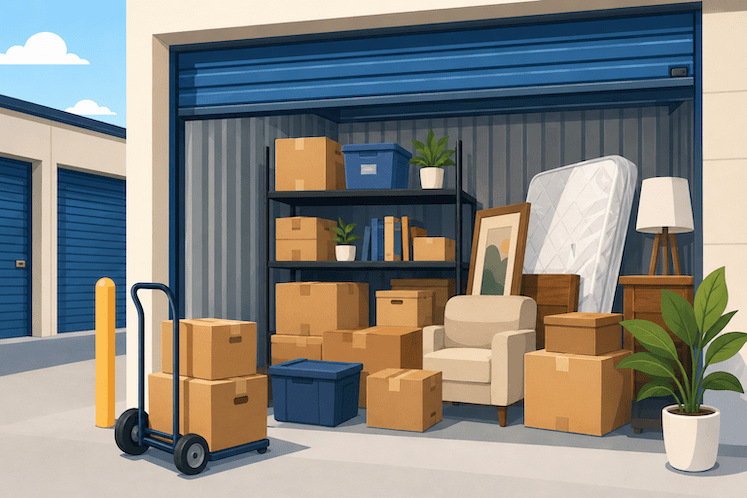

Long-term storage can solve a lot of problems when you’re moving, downsizing, renovating, or simply running out of space at home. But before renting a storage unit, most people want clear answers about security, climate control, costs, packing methods, and accessibility.
Understanding how long-term storage works can help you avoid damaged belongings, wasted space, and unnecessary expenses. Whether you need storage for a few months or several years, knowing what to expect makes the process much easier.
This guide answers the most common long-term storage questions, including what you can store, how to pack properly, and what features matter most when choosing a storage facility.
Long-term storage refers to storing belongings for an extended period, usually longer than three months. Many people use storage units during major life transitions such as moving to another state, traveling abroad, military deployment, home renovations, or downsizing.
Long-term storage is also useful for freeing up space at home without getting rid of valuable belongings. Seasonal items, furniture, business inventory, collectibles, and sentimental items are commonly placed in storage for months or years at a time.
Many homeowners and renters also combine on-site storage solutions with flexible relocation services during major moves.
Most storage facilities allow a wide variety of household and personal belongings. The key is making sure the items are clean, dry, and properly packed before storage.
Long-term storage units are commonly used for:
Large furniture pieces are especially common in storage during relocations or remodeling projects. Proper furniture storage becomes important when items like clothes will remain untouched for long periods.
Most facilities prohibit certain items due to safety, legal, or sanitation concerns.
Avoid storing:
Anything that can spoil, leak, attract pests, or create odors should stay out of storage.
Climate-controlled storage helps protect sensitive belongings from extreme heat, humidity, and temperature fluctuations. This type of storage maintains more stable environmental conditions throughout the year.
Climate control becomes especially important in areas with high humidity, extreme summer heat, or freezing winter temperatures.
Climate-controlled storage is ideal for:
Without climate control storage, moisture and heat can cause warping, cracking, mold growth, or permanent damage over time.
Packing correctly is one of the most important parts of successful long-term storage. Poor packing can lead to moisture buildup, broken items, pests, and damaged furniture.
Always clean and dry items thoroughly before placing them in storage.
Dust, food residue, and moisture can create mold, odors, and mildew over time. Appliances should be emptied and cleaned completely. Clothing and linens should also be washed before packing.
Choose sturdy cardboard boxes instead of weak or damaged containers. While plastic bins work for some situations, sealed plastic containers can sometimes trap moisture if items are not fully dry.
Use:
Heavy-duty protective materials help reduce long-term wear and tear.
Label every box on multiple sides.
Detailed labels make it easier to find belongings later without opening every container. Many people also create a simple inventory list for large storage units.
Furniture should be wrapped carefully to prevent dust buildup and scratches.
Large items are often protected using padded covers similar to the protective materials like moving blankets for furniture protection.
Avoid placing plastic directly against wooden furniture for extended periods because trapped moisture can damage surfaces.
A well-organized storage unit saves time and protects your belongings from unnecessary damage.
Create small walkways inside the unit whenever possible.
This allows easier access to important items without unloading the entire storage space.
Stack heavier boxes at the bottom and lighter items on top. Fragile belongings should never support heavy weight.
If you may need access to seasonal or important items, place them near the entrance.
Holiday decorations, important paperwork, or frequently used equipment should remain easy to reach.
Freestanding shelving systems help maximize vertical storage space while reducing pressure on boxes.
Better organization also minimizes the risk of accidental damage when retrieving belongings later.
Security is one of the biggest concerns people have when choosing long-term storage.
A reputable storage facility should include multiple layers of security to help protect customer belongings.
Look for facilities with:
Some facilities also require identification verification before granting access to units.
Even secure storage facilities cannot guarantee protection from every possible situation.
Many renters choose additional storage insurance for valuable belongings. Some homeowners or renters insurance policies may also include limited storage coverage.
Always verify coverage details before storing expensive items.
Storage costs vary depending on:
Climate-controlled units generally cost more than standard storage spaces.
Urban locations may also have higher monthly rates compared to suburban facilities.
Most storage facilities offer flexible month-to-month leasing.
Common payment methods include:
Some companies also provide discounts for long-term rentals or prepaid agreements.
Most long-term storage facilities allow regular access to stored items during operating hours.
Some locations offer:
If frequent access matters, verify availability before signing a rental agreement.
Convenient access becomes especially important for business inventory, seasonal belongings, or ongoing relocation projects.
Choosing the correct unit size helps avoid overpaying or running out of space.
Small storage units work well for:
Medium-sized units can usually accommodate:
Large units are ideal for:
Many storage companies provide size calculators to help estimate space requirements.
Most facilities allow customers to store belongings for as long as needed, provided payments remain current.
Some people use storage for a few months, while others keep units for years.
Before committing to a long-term rental, review:
Understanding the full agreement helps avoid unexpected issues later.
Not all storage facilities provide the same experience.
Beyond pricing, several factors can affect convenience and overall satisfaction.
A clean facility often reflects better maintenance standards.
Look for:
Friendly and knowledgeable staff can make a major difference when questions or problems arise.
Responsive management also helps when handling billing concerns, unit upgrades, or move-in coordination.
A convenient location can save time and reduce transportation costs.
Facilities near major roads or residential areas are often easier to access during busy moving schedules.
Long-term storage can provide flexibility, convenience, and peace of mind during major life transitions. Whether you’re moving, downsizing, renovating, or simply freeing up space at home, choosing the right storage setup makes a big difference.
The best long-term storage experience starts with proper packing, smart organization, reliable security, and selecting the right type of unit for your belongings.
Taking time to understand storage options now can help protect your possessions and avoid costly mistakes later.
Long-term storage usually refers to keeping belongings stored for more than three months. Some people use storage units for several years.
Climate-controlled storage is worth considering for sensitive items like electronics, wooden furniture, artwork, documents, and antiques.
Furniture can become damaged if it is not cleaned, wrapped, or stored properly. Moisture, dust, and improper stacking are common causes of damage.
Yes, but climate-controlled storage is highly recommended for electronics to reduce heat and moisture exposure.
Access depends on the facility. Some offer 24/7 access, while others operate during standard business hours.
Standard units can become humid depending on the climate and weather conditions. Climate-controlled units help reduce humidity problems.
Yes. Furniture covers, blankets, and protective wraps help prevent dust, scratches, and surface damage during long-term storage.
Most facilities charge late fees first. If payments remain unpaid, the facility may eventually auction the contents according to local laws and contract terms.
