
Moving Containers
Recommendation
Moving Container Reviews
Recommendation
Truck Rentals Reviews
Storage Recommendations
Storage Review
Junk Removal Recommendations
Junk Removal Reviews
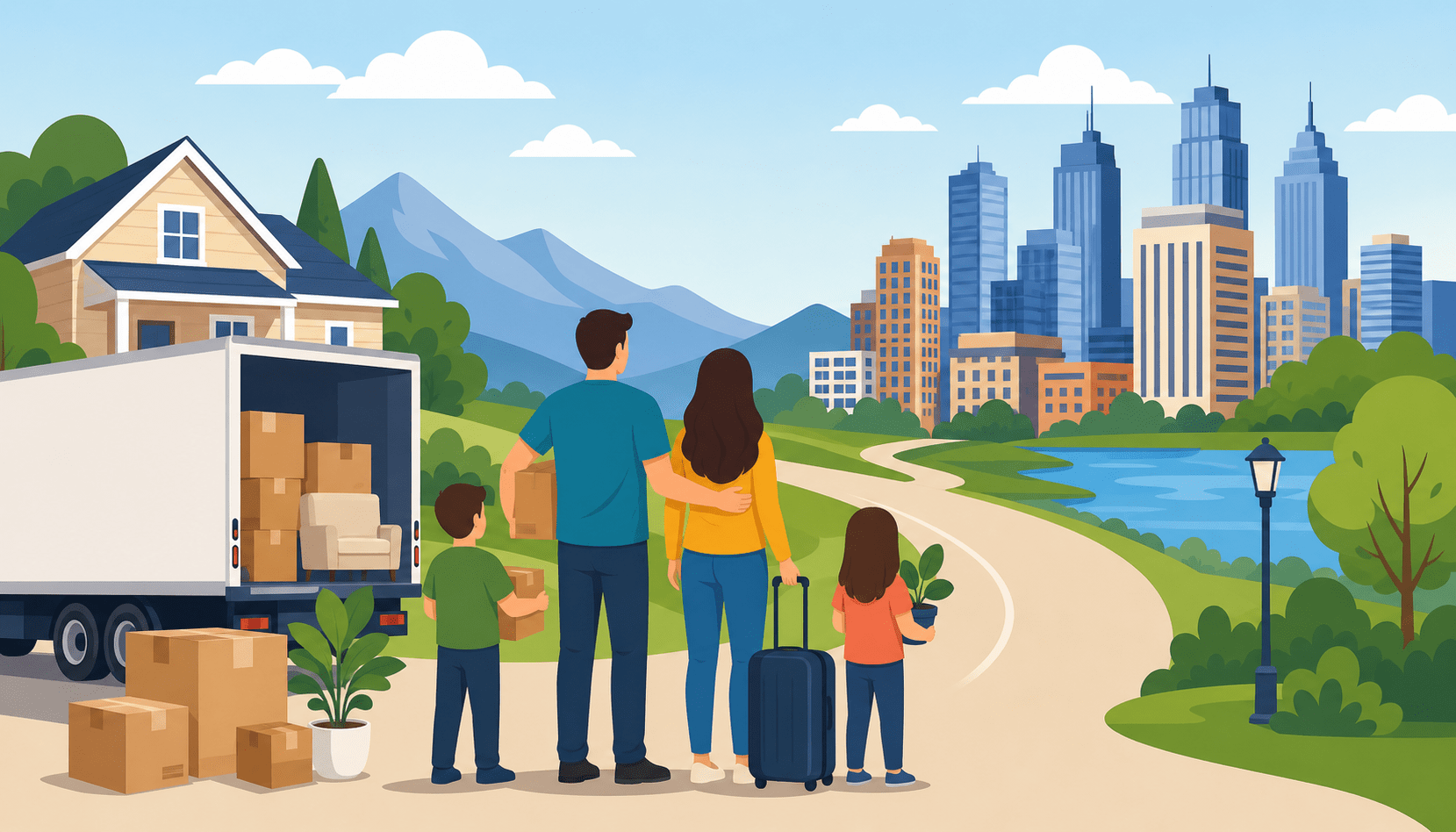

Relocation can be one of the most exciting decisions you ever make. Whether you are moving for a better job, a lower cost of living, a safer community, or a fresh start, choosing a new place to live can reshape your daily routine, career path, relationships, and long-term goals.
For many people, the decision to relocate begins with one question: “Would life be better somewhere else?” Sometimes the answer comes from a new job offer. Other times, it comes from wanting more space, better schools, warmer weather, or a lifestyle that finally feels aligned with who you are becoming.
Moving is not just about changing your address. It is about creating room for new opportunities, better habits, and a stronger sense of direction. Below are the top reasons people relocate and how each one can help you start fresh with more confidence.
Career growth is one of the most common reasons people choose to relocate. A new city or state can offer access to stronger industries, higher salaries, better benefits, and more room for advancement.
For some, relocation happens because of a specific job offer. For others, the move is more strategic. They may relocate to an area with a healthier job market, more networking opportunities, or industries that better match their skills.
When planning a move for a new job opportunity, it is important to look beyond the salary. Consider commute times, career stability, workplace culture, local taxes, and the long-term growth potential in that area.
A higher paycheck may seem attractive, but the best relocation decisions are based on the full picture. The right move should support your professional goals while also improving your everyday life.
Many people relocate because they want a better quality of life. This can mean different things depending on your priorities.
For some, it means living in a safer neighborhood. For others, it means being closer to nature, enjoying better healthcare, finding more affordable housing, or having access to stronger schools and community services.
Exploring the best places to move for a higher quality of lifecan help you compare cities based on lifestyle, affordability, safety, and long-term comfort.
Quality of life is not always about luxury. Often, it is about reducing daily stress. A shorter commute, better housing, cleaner surroundings, and easier access to essentials can make a major difference in how you feel every day.
The cost of living is a major factor in relocation decisions. Housing, groceries, transportation, taxes, utilities, and insurance can vary widely from one location to another.
Moving from a high-cost city to a more affordable area can free up your budget and improve your financial flexibility. You may be able to rent or buy a larger home, save more each month, or spend less on everyday expenses.
However, it is important to compare costs carefully. A cheaper city may also come with lower wages or fewer job opportunities. Before relocating, research average salaries, housing prices, utility costs, healthcare access, and transportation expenses.
A successful move should make financial sense both now and in the future. The goal is not simply to live somewhere cheaper, but to live somewhere that gives you better value.
Sometimes people relocate because their current lifestyle no longer fits. A crowded city may feel overwhelming. A quiet town may feel too limiting. A long commute may drain time and energy that could be spent with family, friends, or personal goals.
Relocation gives you the chance to choose an environment that better matches your preferred pace of life. You might move closer to outdoor recreation, cultural activities, beaches, mountains, or a more walkable neighborhood.
For someone adjusting from small-town living to a big-city, relocation can bring more entertainment, career options, public transportation, and social opportunities.
On the other hand, moving from a busy city to a smaller community can offer more space, less noise, and a slower rhythm. The best choice depends on the lifestyle you want to build.
For families, relocation is often centered around stability. Parents may move to access better schools, safer neighborhoods, larger homes, nearby parks, or stronger healthcare services.
A family-friendly location can make daily life easier. Good schools, reliable medical care, safe streets, and community programs all contribute to a healthier environment for children and adults.
Families should also consider commute times, childcare options, extracurricular activities, and access to extended family. A move may look good on paper, but it should also support the routines that matter most.
Relocating as a family requires more planning than moving alone. Children may need time to adjust to new schools and friendships, so choosing the right community can make the transition much smoother.
Education is another powerful reason to relocate. Students may move to attend college, graduate school, trade programs, or specialized training. Families may relocate to give children access to better school districts or unique learning opportunities.
Living near strong educational institutions can create long-term advantages. It can also provide access to internships, professional networks, research opportunities, and career pathways after graduation.
Education-based relocation is not limited to young students. Adults may also move to change careers, complete certifications, or pursue advanced degrees.
A location with strong educational resources can support both personal growth and future earning potential. For many people, that makes the move worth the effort.
Many people relocate because they want to experience a more diverse and vibrant community. Cultural diversity can shape everything from food and festivals to friendships, language, art, and daily perspectives.
Living in a multicultural area can make life feel more dynamic. It can also help you connect with people from different backgrounds and develop a broader understanding of the world.
A diverse community can be especially appealing for families, professionals, students, and anyone who wants to feel connected to a wider range of people and experiences.
A neighborhood is more than a house or apartment. The amenities around you can strongly affect how comfortable and connected you feel after relocating.
Parks, walking trails, gyms, libraries, restaurants, public transportation, grocery stores, and community events all contribute to everyday convenience. These features can make a new city feel welcoming faster.
For professionals, community amenities can also support networking and social life. Local business groups, coworking spaces, volunteer programs, and neighborhood events can help you build relationships after the move.
When comparing places to relocate, look closely at what daily life will actually feel like. The right amenities can turn a good location into a great one.
Moving to a new place can push you outside your comfort zone in the best way. You may need to build new routines, meet new people, solve new problems, and adapt to an unfamiliar environment.
That process can strengthen confidence and independence. It can also help you discover what you truly want from your career, relationships, and lifestyle.
A well-planned home moving experience for a new relocation journey can make the transition feel less overwhelming and more empowering.
Personal growth often comes from change. Relocation gives you a chance to reset your habits, leave behind routines that no longer serve you, and step into a new version of your life.
Weather plays a bigger role in daily life than many people realize. Some people feel happier in sunny climates. Others prefer four distinct seasons, cooler temperatures, or areas with less humidity.
Climate can affect your hobbies, health, energy levels, and even your budget. Heating, cooling, insurance, and home maintenance costs can all change depending on where you live.
No location is perfect, but understanding climate patterns can help you avoid surprises. Before moving, research seasonal weather, storm risks, air quality, and how the climate may affect your lifestyle.
Sometimes the biggest reason to relocate is emotional. You may want a fresh start after a major life change, a difficult season, or years of feeling stuck.
A new environment can create mental space. It can help you break old patterns, meet new people, explore new interests, and approach life with a different mindset.
This does not mean relocation solves every problem. But it can create the conditions for meaningful change when paired with realistic planning and clear goals.
A fresh start works best when you know what you are moving toward, not just what you are leaving behind.
Even when relocation is exciting, the moving process can be stressful. Packing, transportation, scheduling, heavy lifting, storage, and logistics can quickly become overwhelming.
Some people consider a DIY move to save money. While that can work for short local moves, longer relocations often require more planning and physical effort than expected.
Comparing DIY vs hiring an interstate moving company can help you decide which option fits your budget, timeline, and comfort level.
Professional movers can protect your belongings, reduce physical strain, and keep the process organized. For long-distance moves, working with experienced interstate moving companies for long-distance relocation can make the transition smoother from start to finish.
Relocation is a personal decision, but it should also be practical. Before making the move, ask yourself what you want to improve and whether a new location can realistically support that goal.
Think about your career, finances, housing needs, family priorities, lifestyle preferences, and emotional readiness. A move should solve more problems than it creates.
It also helps to visit the area before committing. Spend time in the neighborhoods you are considering. Drive the commute. Visit grocery stores, schools, parks, and local businesses.
The more you understand the day-to-day reality of a place, the easier it becomes to make a confident decision.
Money is one of the most important parts of any move. Beyond rent or home prices, you should budget for moving services, deposits, travel, storage, packing supplies, utility setup, and temporary lodging if needed.
Understanding how much out-of-state movers may cost can help you build a realistic moving budget before committing to a relocation plan.
If you are comparing flexible moving options, reviewing affordable moving container company services can help you understand how storage and transport options fit into your overall budget.
Relocating can be worth it when the move improves your career, finances, safety, lifestyle, or overall well-being. The key is to make the decision based on research, not impulse.
Career opportunities are one of the most common reasons people relocate. Many people move for better jobs, higher income, professional growth, or access to stronger industries.
Start by comparing cost of living, job opportunities, housing, safety, schools, healthcare, climate, and lifestyle fit. Visiting the area before moving can also help you make a more confident decision.
Hiring professional movers is often worth it for long-distance or complex moves. They can reduce stress, protect your belongings, and help keep the relocation process organized.
You can lower costs by decluttering before the move, comparing quotes, moving during off-peak seasons, packing some items yourself, and choosing the right service level for your needs.
Yes. Relocation can encourage personal growth by placing you in a new environment where you build new routines, meet new people, and become more adaptable.
Families should consider school quality, neighborhood safety, healthcare access, childcare, commute times, housing space, and how well children may adjust to the new community.
Relocating is a major life decision, but it can also be a powerful opportunity to start fresh. Whether you are moving for career growth, better quality of life, lower expenses, family needs, education, climate, or personal change, the right location can help you build a life that feels more aligned with your goals.
The best moves are thoughtful, well-researched, and carefully planned. When you understand your reasons for relocating and prepare for the practical details, the process becomes much easier to manage.
A fresh start does not happen only when you arrive. It begins the moment you decide to move with purpose.
