Moving Containers
Recommendation
Moving Container Reviews
Recommendation
Truck Rentals Reviews
Storage Recommendations
Storage Review
Junk Removal Recommendations
Junk Removal Reviews
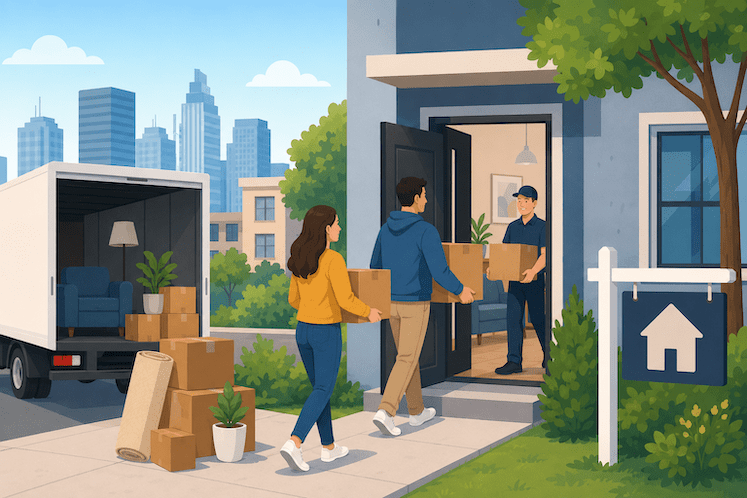

Moving to a new city, starting a new job, or simply looking for a fresh start often comes with one major decision: should you rent or buy a home?
While homeownership is a goal for many people, renting remains one of the smartest and most practical choices during a move. In today’s housing market, flexibility, lower upfront costs, and reduced responsibilities make renting an attractive option for individuals, families, students, and professionals alike.
Whether you’re relocating across town or preparing for a long-distance move, understanding the benefits of renting can help you make a confident decision that aligns with your lifestyle and financial goals.
If you’re planning a relocation, many people find it helpful to review practical advice for finding the right home before moving day to make the transition smoother and less stressful.
Moving comes with plenty of uncertainties. You may not know the neighborhood well, your work situation could change, or you might simply want time to explore a new area before making a major financial commitment.
Renting provides the flexibility needed to adapt while minimizing risk. Instead of locking yourself into a long-term mortgage, you can focus on settling into your new environment and determining whether the location truly fits your lifestyle.
For many movers, renting serves as a strategic step that provides freedom while maintaining financial stability.
One of the biggest advantages of renting is flexibility.
Most rental agreements last between 6 and 12 months, although some landlords offer month-to-month leases or longer-term options.
This allows renters to adjust their living arrangements as circumstances change. If a job opportunity arises in another city or your family needs evolve, you’re not tied to a property for years.
People who frequently relocate for work, education, or family reasons often benefit from renting because it removes the challenges associated with selling a home every time they move.
You can focus on your next chapter rather than worrying about listing a property, negotiating with buyers, or dealing with market conditions.
Renting allows you to test-drive a community before making a major investment.
You can experience daily life, evaluate commute times, discover local amenities, and determine whether a neighborhood truly meets your needs before deciding to purchase property.
Buying a home requires a significant financial commitment.
Renting, on the other hand, usually involves much lower upfront expenses.
Homebuyers often need to save thousands—or even tens of thousands—of dollars for a down payment.
Renters generally only need:
First month’s rent
Security deposit
Application fees
Utility deposits (if applicable)
This makes renting much more accessible, especially for young professionals, students, or families who are prioritizing savings.
Home purchases often include:
Loan fees
Appraisal fees
Inspection costs
Title insurance
Legal fees
Property taxes
Renters avoid these expenses entirely, allowing them to preserve more of their savings for emergencies, investments, or future homeownership goals.
Financial predictability is another reason many people choose to rent.
A rental payment is generally fixed throughout the lease term.
This consistency makes it easier to manage monthly finances without worrying about unexpected ownership expenses.
Homeowners are responsible for repairs, maintenance, and system replacements.
Unexpected issues can include:
HVAC failures
Roof repairs
Water heater replacements
Plumbing emergencies
Electrical repairs
These costs can quickly add up to thousands of dollars.
Renters typically avoid these financial surprises because the landlord is usually responsible for major repairs.
Owning a home means constantly maintaining it.
Renting removes much of that burden.
If an appliance breaks, the plumbing leaks, or the air conditioning stops working, the landlord is generally responsible for arranging repairs.
This saves renters both time and money.
Property maintenance can become overwhelming, especially during a move.
Renters enjoy the convenience of contacting property management rather than coordinating contractors, obtaining repair estimates, or managing large repair projects themselves.
Without ongoing maintenance responsibilities, renters can focus on:
Work and career growth
Family activities
Travel
Hobbies
Settling into a new community
While housing markets vary, renting is often less expensive than buying in many locations, especially in the short term.
Depending on the market, mortgage payments, property taxes, homeowners insurance, and maintenance costs can exceed monthly rental payments.
Renters may gain access to desirable neighborhoods without the high ownership costs associated with those areas.
Because renters generally spend less upfront, they often have more flexibility to:
Build emergency savings
Invest money elsewhere
Pay off debt
Fund future goals
This financial flexibility can be especially valuable during a relocation.
Many rental communities offer amenities that would be expensive to own and maintain personally.
Swimming pools
Fitness centers
Clubhouses
Business centers
Dog parks
Security services
Outdoor recreation areas
Homeowners must pay for installation, maintenance, repairs, and insurance associated with these features.
Renters typically gain access through their monthly rent.
Real estate values fluctuate.
While homeownership can build wealth over time, it also carries risk.
Homeowners can experience losses if property values decline.
Renters avoid this risk entirely because they do not own the asset.
If market conditions become unfavorable, renters can move at the end of their lease without worrying about selling a property or accepting a lower sale price.
This flexibility is especially valuable during uncertain economic periods.
Moving to a new city can be exciting, but it also comes with unknowns.
A neighborhood that looks appealing online may feel different after several months of living there.
Renting gives you time to evaluate:
Schools
Traffic patterns
Local services
Safety
Community atmosphere
Many renters eventually become homeowners after gaining firsthand experience in their new area.
This approach often leads to more informed purchasing decisions and fewer regrets.
For those considering future property investments, understanding the realities of buying your first rental property and evaluating long-term opportunities can provide valuable perspective while renting.
Contrary to popular belief, renting does not automatically mean falling behind financially.
Without a large down payment or ongoing maintenance costs, renters can direct funds toward:
Retirement accounts
Investment portfolios
Business ventures
Education
Emergency funds
Many financially successful individuals choose to rent because it provides flexibility while allowing them to invest capital elsewhere.
The best housing decision depends on personal circumstances rather than assumptions about ownership.
While renting offers many advantages, buying can still be the right choice for some people.
Homeownership may be worth considering if:
You plan to stay in one location for several years.
You have sufficient savings.
You want to build home equity.
You prefer complete control over your property.
The local market favors buyers.
Before making that commitment, it’s wise to understand the important factors involved in evaluating starter homes and asking the right questions before purchasing.
Visit the area whenever possible and explore nearby amenities, transportation options, and community features.
Understand:
Lease length
Renewal terms
Pet policies
Maintenance responsibilities
Early termination clauses
Account for:
Utilities
Internet
Parking fees
Renters insurance
Moving expenses
Take photos during move-in to avoid disputes regarding security deposits later.
Renting a home remains one of the most practical and financially flexible options when moving. It offers lower upfront costs, fewer maintenance responsibilities, predictable expenses, and the freedom to adapt as life changes.
For people relocating to a new city, exploring different neighborhoods, or simply seeking flexibility, renting provides a valuable opportunity to settle in comfortably before making larger financial commitments.
Every housing situation is unique, but for many movers, renting offers the ideal balance of convenience, affordability, and peace of mind during a major transition.
For many people, yes. Renting allows you to learn the area, maintain flexibility, and avoid major upfront costs while adjusting to your new surroundings.
Savings vary by location, but renters typically avoid down payments, closing costs, property taxes, and many maintenance expenses.
Generally, landlords are responsible for major repairs involving plumbing, appliances, HVAC systems, and structural issues. Lease agreements should always be reviewed for specific responsibilities.
Absolutely. Renting can provide flexibility, access to good school districts, and time to determine the best long-term housing solution.
Yes. Renting allows you to save money, improve your credit profile, learn about different neighborhoods, and better understand your housing preferences before purchasing a home.