
Moving Containers
Recommendation
Moving Container Reviews
Recommendation
Truck Rentals Reviews
Storage Recommendations
Storage Review
Junk Removal Recommendations
Junk Removal Reviews
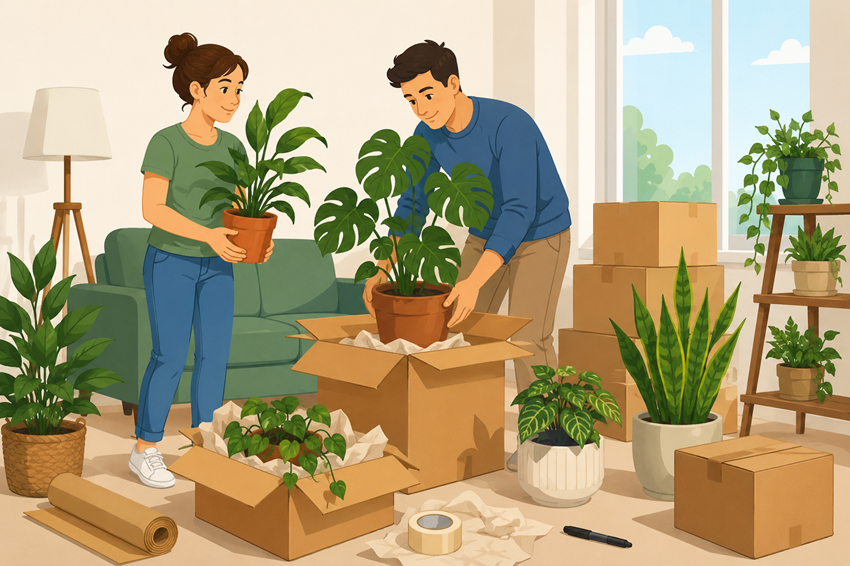

Moving to a new home is exciting, but transporting your favorite plants can quickly become one of the most overlooked challenges. Every healthy plant you’ve cared for deserves the same attention as your furniture and valuables. This plant parent guide walks you through everything you need to know before packing your greenery, understanding state regulations, and protecting delicate leaves and roots during a long move. Whether you’re relocating a few pots or an entire indoor collection, proper planning helps ensure every plant arrives healthy and ready to thrive.
Unlike furniture or boxed belongings, living plants react to changes in temperature, humidity, light exposure, and movement. Sudden environmental shifts can cause shock, leaf drop, or even permanent damage.
A well-prepared plant parent guide begins with understanding that every species responds differently to transportation. Some tropical varieties tolerate travel well, while others need additional protection throughout the journey.
Taking time to prepare your plants several weeks before moving dramatically improves their chances of surviving the relocation.
One of the biggest mistakes movers make is assuming plants can freely cross every state border. Agricultural departments in several states inspect incoming vegetation to prevent invasive insects, diseases, and harmful pests.
Before loading your vehicle, research how to move houseplants across the country by checking agricultural restrictions for both your destination and any states you’ll pass through.
Some states restrict citrus trees, soil-containing plants, or certain outdoor species. Others may require inspections or prohibit particular plants entirely.
Knowing the rules ahead of time prevents unexpected delays or confiscation during your relocation.
Moving offers the perfect opportunity to assess your collection.
Consider:
Some oversized plants may cost more to transport than to replace after arriving.
Your plant parent guide should include making practical decisions instead of automatically transporting every pot.
Healthy plants travel much better than stressed ones.
About three weeks before moving:
Remove damaged leaves and dead stems. This reduces stress while encouraging healthier growth after relocation.
Check both sides of leaves, stems, and soil.
Treat infestations before moving rather than introducing insects into your new home.
Avoid major repotting immediately before moving. Freshly disturbed roots become more vulnerable during transportation.
A thoughtful plant parent guide always prioritizes plant stability over cosmetic improvements.
Many people believe heavily watering plants before travel keeps them healthy.
Actually, overly wet soil creates multiple problems:
Instead, water most plants one or two days before departure depending on the species.
The soil should remain slightly moist but never saturated.
Decorative ceramic pots look beautiful but can crack easily during transportation.
Plastic nursery pots provide several advantages:
You can always return plants to decorative containers after unpacking.
Every practical plant parent guide recommends temporary containers for long-distance transport.
Good packing minimizes movement while allowing airflow.
Helpful materials include:
If you’re searching for eco-friendly alternatives, this smart guide to packing without bubble wrap for moving offers sustainable ways to cushion fragile belongings while reducing unnecessary plastic waste.
Avoid sealing entire plants inside plastic bags because trapped moisture can encourage fungal growth.
Never place living plants inside a moving truck for extended trips.
Most moving trucks experience:
Instead, transport valuable plants inside your personal vehicle whenever possible.
A quality plant parent guide emphasizes maintaining stable temperatures throughout the drive.
If your trip spans multiple days, don’t leave plants inside parked vehicles overnight.
Temperature swings inside cars can become dangerous within hours.
Bring your plants indoors at hotels whenever practical.
If that’s not possible, choose shaded parking during warm weather and avoid prolonged exposure to freezing conditions.
Movement causes broken stems and spilled soil.
Simple ways to stabilize plants include:
Even careful drivers encounter sudden braking, making stability essential.
This plant parent guide recommends checking plants at every rest stop.
Many professional movers avoid transporting live plants because they cannot guarantee suitable environmental conditions.
If you’re comparing relocation services, reviewing the best long-distance moving companies can help you understand carrier policies before booking your move.
Always ask companies directly whether plant transportation is included.
Plant care becomes much easier when your overall relocation stays organized.
If your timeline involves decluttering before listing your property, you may also need a secure place to store your belongings when selling your home while preparing for the transition.
Reducing moving-day stress gives you more time to focus on caring for delicate plants.
Some relocations benefit from greater flexibility than traditional moving services.
A hybrid move lets you pack on your own schedule while maintaining better control over fragile items that require extra attention.
This approach often works well for households with valuable indoor plant collections.
Temperature remains one of the biggest threats during relocation.
Avoid exposing plants to:
Monitoring conditions throughout the trip forms an essential part of every successful plant parent guide.
Once you arrive, prioritize your plants before unpacking less sensitive belongings.
Immediately:
Avoid fertilizing immediately after arrival since stressed roots benefit from recovery time first.
Following your plant parent guide after arrival helps plants settle into their new environment more successfully.
Even healthy plants may experience temporary symptoms after moving.
Common signs include:
Most plants recover naturally within several weeks once they adapt to their new surroundings.
Resist the urge to overwater or fertilize heavily in response to temporary stress.
If you own dozens of houseplants, organization becomes even more important.
Create labels for every pot, group similar varieties together, and photograph larger arrangements before packing.
These simple steps make reassembling your indoor garden much easier after arrival.
For owners of rare or common houseplants, documenting each plant also helps identify any damage that may occur during transportation.
Not every relocation company offers the same level of flexibility.
Before booking, compare the best interstate moving companies to understand pricing, services, and transportation options for specialty belongings.
Selecting experienced professionals reduces surprises on moving day.
Relocating with living plants requires more preparation than moving ordinary household items, but the effort pays off. By planning ahead, understanding regulations, packing carefully, and maintaining stable conditions during travel, your indoor garden has an excellent chance of arriving healthy.
Most importantly, this plant parent guide reminds every plant owner that patience is just as valuable after arrival as it is before departure. Give your greenery time to adjust, monitor its condition, and enjoy watching your collection thrive in its new home—even when moving across state lines.
Most movers discourage it because trucks lack climate control.
Usually one to two days before transport, depending on the species.
No, some states restrict certain plants to prevent pests and diseases.
Only if absolutely necessary; avoid disturbing healthy roots before travel.
Unpack your plants first and place them in suitable light.
