
Moving Containers
Recommendation
Moving Container Reviews
Recommendation
Truck Rentals Reviews
Storage Recommendations
Storage Review
Junk Removal Recommendations
Junk Removal Reviews
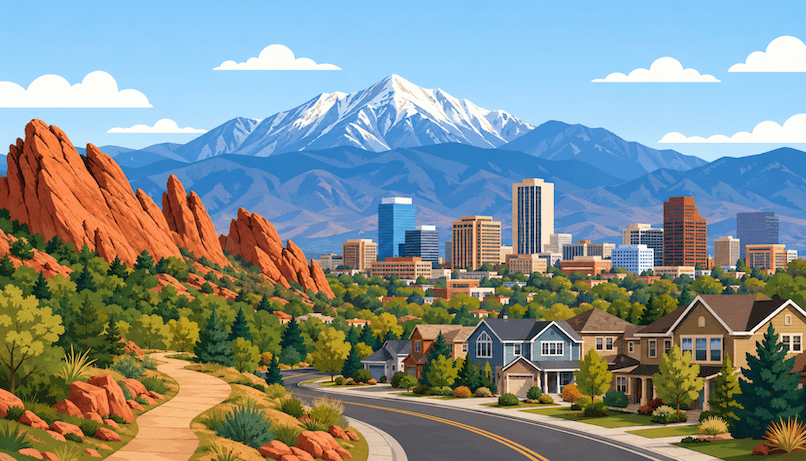

Colorado Springs continues to attract new residents looking for a balance between outdoor adventure, career opportunities, and a more affordable lifestyle than many major Western cities. Nestled at the base of the Rocky Mountains, Colorado Springs offers stunning scenery, a growing economy, and year-round recreation that appeals to families, professionals, retirees, and remote workers alike.
If you’re considering moving to Colorado Springs, understanding what daily life is really like can help you make a smoother transition. From neighborhoods and weather to job opportunities and local attractions, here’s everything you need to know before making the move.
Located about 70 miles south of Denver, Colorado Springs is Colorado’s second-largest city and one of the fastest-growing communities in the Rocky Mountain region.
The city combines urban conveniences with easy access to nature. Residents enjoy a lower cost of living than Denver, less traffic, and direct access to hiking trails, mountain parks, and outdoor recreation.
Colorado Springs is also known as “Olympic City USA” because it is home to the United States Olympic & Paralympic Training Center, the United States Olympic & Paralympic Museum, and numerous elite athletes.
For many newcomers, the appeal comes down to lifestyle. It’s possible to spend your morning hiking, your afternoon working, and your evening enjoying local restaurants with views of the mountains.
Whether you’re relocating from another state or making a cross-country move, planning ahead with experienced professionals can make the process easier. Many families compare options through top-rated interstate moving companies for long-distance relocations before scheduling their move.
Colorado Springs has a casual atmosphere compared to many large metropolitan areas.
You’ll notice people wearing hiking shoes, athletic clothing, and outdoor gear throughout the city. Even in professional environments, dress codes tend to be more relaxed than in major coastal cities.
The outdoor lifestyle influences everything from social activities to local events. Hiking, biking, trail running, camping, and rock climbing are part of everyday life for many residents.
One of the biggest adjustments for newcomers is the elevation.
Colorado Springs sits at approximately 6,000 feet above sea level. Residents arriving from lower elevations may initially experience:
Mild shortness of breath
Fatigue
Headaches
Increased thirst
Most people adapt within a few weeks, but it’s important to stay hydrated and avoid strenuous activities during the first several days after arrival.
Colorado Springs consistently ranks among the best places in the United States for families.
The city offers:
Highly rated schools
Safe neighborhoods
Community events
Family-friendly attractions
Extensive park systems
Many residents appreciate the balance between city amenities and a slower pace of life.
One of the biggest benefits of living in Colorado Springs is experiencing all four seasons.
Winter brings cold temperatures and regular snowfall.
The city averages approximately 38 inches of snow annually, making it attractive for residents who enjoy winter activities.
Popular winter activities include:
Skiing
Snowboarding
Snowshoeing
Sledding
Ice skating
Ice hockey
Unlike some northern cities, Colorado Springs often experiences sunny winter days, helping snow melt relatively quickly after storms.
Spring can be unpredictable.
It’s common to experience warm sunshine one day and snowfall the next. March is typically the snowiest month of the year.
Residents quickly learn to dress in layers because temperatures can fluctuate dramatically throughout the day.
Summer is one of the most enjoyable seasons in Colorado Springs.
Average daytime temperatures typically range from the upper 70s to mid-80s, making outdoor activities comfortable even during peak summer months.
Because of the higher elevation, evenings remain pleasantly cool.
Summer activities include:
Hiking
Mountain biking
Camping
Outdoor concerts
Farmers markets
Festivals
Afternoon thunderstorms are common during July and August but usually pass quickly.
Fall arrives earlier than in many parts of the country.
By October, cooler temperatures begin to settle in, and the surrounding landscapes transform into vibrant shades of gold, orange, and red.
Many locals consider autumn the best season for hiking thanks to the crisp air and beautiful scenery.
Choosing the right neighborhood depends on your lifestyle and budget.
Briargate is one of the most popular areas for families.
Residents enjoy:
Excellent schools
Newer homes
Shopping centers
Parks and trails
Located near the United States Air Force Academy, Northgate offers modern developments and convenient access to major employers.
It’s particularly popular among military families and professionals.
For those who enjoy historic charm, Old Colorado City provides:
Local boutiques
Art galleries
Restaurants
Historic architecture
The neighborhood offers a walkable environment with a unique character.
Broadmoor is known for luxury homes and upscale living.
Residents enjoy proximity to golf courses, hiking trails, and some of the city’s most scenic areas.
Colorado Springs remains more affordable than Denver, although housing prices have increased in recent years.
Major expenses include:
| Category | Average Cost Compared to U.S. Average |
|---|---|
| Housing | Higher |
| Utilities | Near Average |
| Transportation | Near Average |
| Healthcare | Slightly Higher |
| Groceries | Near Average |
Despite rising home prices, many residents still find Colorado Springs offers better value compared to larger Western cities such as Denver, Seattle, and San Francisco.
The Colorado Springs economy continues to grow across multiple industries.
Defense remains the largest economic sector in the city.
Major employers include:
Lockheed Martin
Northrop Grumman
Boeing
General Dynamics
Military installations also contribute significantly to local employment opportunities.
Colorado Springs has developed a strong technology sector.
Companies specializing in:
Software development
Cybersecurity
Telecommunications
Electronics manufacturing
continue to expand operations throughout the region.
Healthcare is one of the city’s fastest-growing industries.
Several major hospitals and healthcare systems provide employment opportunities across a wide range of specialties.
Educational institutions also contribute significantly to the local economy.
Tourism remains a major economic driver.
Millions of visitors arrive each year to experience the city’s natural beauty, historic sites, and outdoor attractions.
Living in Colorado Springs means having access to some of Colorado’s most famous destinations.
One of the city’s most iconic landmarks, this public park features towering red rock formations and miles of scenic trails.
Pikes Peak attracts visitors from around the world.
Residents can enjoy:
Scenic drives
Hiking trails
Railway excursions
Incredible mountain views
Often ranked among America’s best zoos, this family-friendly attraction offers unforgettable animal experiences and panoramic city views.
This modern museum celebrates the achievements of Team USA athletes and provides interactive exhibits for visitors of all ages.
Beautiful mountain scenery
Strong job market
Outdoor recreation year-round
Family-friendly neighborhoods
Mild summer temperatures
Lower cost of living than Denver
Higher elevation adjustment
Increasing housing prices
Seasonal snowfall
Limited public transportation
Rapid population growth
Preparing properly can make relocation much easier.
Before moving:
Research neighborhoods carefully
Budget for housing expenses
Plan for altitude adjustment
Prepare for seasonal weather changes
Schedule moving services early
Many families relocating across state lines compare trusted interstate movers to simplify transportation logistics and avoid last-minute surprises.
Colorado Springs offers a unique combination of natural beauty, economic opportunity, and outdoor adventure. Whether you’re drawn by the job market, the mountain views, or the active lifestyle, the city provides something for nearly everyone.
With a growing economy, family-friendly communities, and access to world-class recreation, it’s easy to understand why so many people are choosing Colorado Springs as their next home.
Planning ahead and organizing your relocation carefully can help ensure your transition is smooth and stress-free.
Yes. Colorado Springs consistently ranks among the best places to live in the United States due to its strong economy, outdoor recreation opportunities, and quality of life.
The amount varies depending on lifestyle and housing choices, but many households find that a combined income between $75,000 and $120,000 provides a comfortable standard of living.
Colorado Springs averages around 38 inches of snow annually. Snowfall is common during winter and early spring but often melts quickly because of the region’s sunny climate.
Generally, yes. Housing and overall living expenses tend to be lower than Denver, although costs have increased in recent years.
Defense, aerospace, healthcare, technology, cybersecurity, and tourism are among the fastest-growing industries in the area.
