
Moving Containers
Recommendation
Moving Container Reviews
Recommendation
Truck Rentals Reviews
Storage Recommendations
Storage Review
Junk Removal Recommendations
Junk Removal Reviews
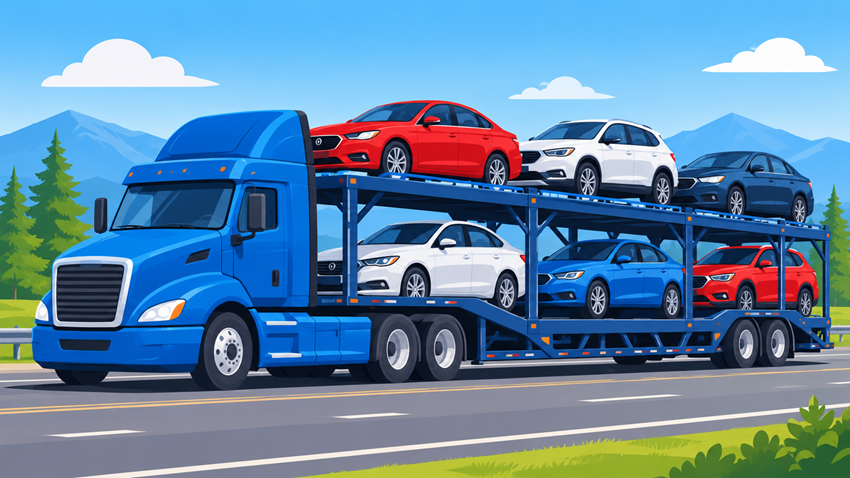

Shipping a car to another state or across the country can save time, reduce driving stress, and make a long-distance move easier. However, one question usually comes before booking: how much does auto transport cost? The answer depends on several factors, including shipping distance, vehicle size, transport type, delivery location, and seasonal demand. In 2026, most standard car shipments across the continental United States cost approximately $500 to $2,000, although longer routes and specialized services can increase the price. Understanding these factors helps you compare quotes and choose a reliable shipping service without paying more than necessary.
The average auto transport cost depends primarily on how far your vehicle needs to travel and which shipping method you select. For a standard, running sedan shipped on an open carrier, shorter routes generally cost less overall, while cross-country deliveries require a larger budget.
According to recent 2026 pricing research from Move.org, the average cost of shipping a vehicle across the continental United States is approximately $1,300. However, individual shipments can vary considerably depending on the route, vehicle specifications, and carrier availability.
Here is a general estimate for planning purposes:
| Shipping Distance | Estimated Price Range |
| Under 500 miles | $400–$700 |
| 500–1,000 miles | $600–$1,000 |
| 1,000–1,500 miles | $800–$1,300 |
| 1,500–2,000 miles | $1,000–$1,600 |
| 2,000–2,500+ miles | $1,100–$2,000+ |
Note: These are approximate planning ranges for standard vehicle shipments, not guaranteed carrier prices. Actual rates depend on the specific pickup and delivery locations, vehicle condition, and market demand.
For example, transporting a sedan from California to Texas will generally cost less than moving the same vehicle from California to New York because the second route covers a greater distance.
The most reliable way to understand your auto transport cost is to request personalized estimates using the same vehicle details, locations, and delivery requirements.
Understanding the factors behind shipping prices makes it easier to evaluate estimates and identify where you can save money.
Distance is one of the biggest factors affecting the total shipping price. Longer journeys require more fuel, driver hours, and operational resources.
However, the auto transport cost per mile generally decreases as the shipping distance increases. Short-distance shipments often have higher per-mile rates because carriers still need to cover loading, scheduling, and operational expenses.
For example, shipping a vehicle 300 miles may have a higher per-mile rate than transporting it 2,000 miles.
The type of carrier you choose also influences the overall price.
Open Transportation
Open carriers are commonly used for standard vehicle shipments. They transport multiple vehicles on an uncovered trailer and are generally the most economical option.
Advantages include:
Enclosed Transportation
Enclosed carriers protect vehicles inside a covered trailer, reducing exposure to weather, road debris, and external conditions.
This option is particularly suitable for classic, luxury, exotic, and collectible vehicles.
Enclosed shipping typically costs 30%–60% more than open transportation, depending on the route and availability.
The right choice depends on your vehicle’s value, protection requirements, and available budget.
Vehicle specifications have a direct impact on the shipping price.
A standard sedan usually costs less to transport than a full-size SUV or pickup truck. Larger vehicles occupy more trailer space and contribute additional weight, potentially limiting the number of vehicles a carrier can accommodate.
Vehicle condition matters too.
A running vehicle can usually be loaded using standard equipment. However, a non-running vehicle may require a winch or specialized loading arrangements.
These additional requirements can increase the overall auto transport cost.
Your pickup and delivery addresses can influence the final estimate.
Major cities and popular interstate routes generally offer better carrier availability. Remote towns, rural properties, and locations far from established shipping routes may require additional travel.
Door-to-door service is convenient because the carrier collects and delivers the vehicle as close to your specified addresses as safely and legally possible.
Terminal-to-terminal shipping can sometimes offer a lower price, but it requires dropping off and collecting your vehicle at designated facilities.
Shipping demand changes throughout the year.
Spring and summer are typically busy periods because families relocate, students move between campuses, and seasonal travelers transport their vehicles.
Winter can also create pricing differences, particularly on routes affected by snowstorms, icy roads, and difficult driving conditions.
Planning your shipment ahead of time can improve carrier availability and give you more flexibility when comparing prices.
Expedited pickup and delivery services generally cost more than standard scheduling.
Carriers organize their routes around available space, delivery locations, and other scheduled shipments. A flexible pickup window gives companies more opportunities to match your vehicle with an available carrier.
Booking early and allowing a few extra days for pickup can help control the overall expense.
Insurance coverage is another important consideration when comparing providers.
Before booking, ask about carrier cargo insurance, coverage limits, deductibles, and exclusions. Also, confirm whether additional protection is available for valuable vehicles.
Some companies offer expedited delivery, guaranteed pickup windows, enclosed trailers, and specialized handling.
These services can increase the final auto transport cost, so review the complete agreement before making a payment.
Choosing the right transportation method can make a noticeable difference in your budget.
| Comparison | Open Shipping | Enclosed Shipping |
| Price | More affordable | More expensive |
| Vehicle Protection | Standard exposure | Greater environmental protection |
| Availability | Generally higher | More limited |
| Best For | Everyday vehicles | Luxury and classic vehicles |
| Delivery Options | Widely available | Route dependent |
For most standard vehicles, open shipping offers a practical balance between affordability and convenience.
However, owners of high-value or collectible vehicles may consider the additional protection offered by enclosed transportation worthwhile.
Getting multiple estimates is one of the simplest ways to understand market pricing.
An auto transport cost calculator can provide an initial estimate based on your pickup location, delivery destination, vehicle details, and preferred shipping method.
However, an online estimate should be treated as a starting point rather than a guaranteed final price.
Consider these points when reviewing different quotes:
For additional guidance, comare best interstate moving companies on Wowmover to understand how different providers compare when planning a long-distance relocation.
We lists a number of companies on our website to help readers compare service providers, explore available options, and make more informed decisions before choosing a transportation company.
Sherpa Auto Transport is one provider worth researching when comparing vehicle shipping options.
The company offers vehicle transportation services and is known for its Price Lock Promise, which is designed to provide customers with greater pricing certainty.
Before choosing a provider, review its service coverage, scheduling options, payment requirements, and customer experiences.
You can explore independent sherpa auto transport reviews to learn more about its services and what customers should consider before booking.
Requesting a personalized sherpa auto transport quote can also help you determine whether its pricing matches your route, vehicle requirements, and delivery expectations.
Remember that no single company will necessarily offer the lowest price for every route. Comparing several providers remains important.
A few planning decisions can help keep your shipping budget under control without sacrificing essential service quality.
Avoid waiting until the last minute. Early planning provides more scheduling flexibility and may help you avoid premium expedited services.
For everyday vehicles, open shipping is generally the more affordable option. Consider enclosed transportation when additional protection justifies the higher price.
A wider pickup window gives carriers more opportunities to coordinate your shipment with existing routes.
Collect at least three estimates and review the complete service details rather than selecting the cheapest initial offer.
Some providers offer seasonal promotions, military offers, student savings, or other qualifying deals. Check the terms and eligibility requirements before booking.
You can also explore available auto transport discounts to find potential savings opportunities.
Remove personal belongings, clean the vehicle, document existing damage, and ensure the car is ready for inspection.
Following practical auto transport tips can help make the pickup and delivery process smoother.
For a more detailed explanation of preparation and booking, learn how to move your vehicle safely and efficiently.
Price should not be the only consideration when selecting a shipping provider. Reliability, transparency, communication, and proper documentation are equally important.
Start by determining whether the company is a broker or a motor carrier. Brokers arrange transportation through carriers, while motor carriers physically transport vehicles.
The Federal Motor Carrier Safety Administration (FMCSA) advises consumers to verify the registration of interstate auto transport brokers and carriers. Its consumer guidance also recommends checking the company’s identification details before making arrangements.
Before signing an agreement:
These precautions help reduce misunderstandings and provide a clearer record of your vehicle’s condition throughout the shipping process.
Understanding vehicle shipping prices helps you plan your relocation budget and avoid unnecessary expenses. The final price depends on several factors, including distance, carrier type, vehicle specifications, location, and scheduling flexibility.
Rather than choosing a provider based entirely on the lowest estimate, compare multiple companies, review their credentials, and understand the services included in each quote.
Taking time to research your options can help you find a suitable balance between affordability, convenience, and reliable vehicle delivery.
Most standard shipments cost approximately $500–$2,000, depending on distance, vehicle size, and transportation method.
Open shipping is generally cheaper because carriers can transport multiple vehicles on uncovered trailers with greater route availability.
Yes. Larger and heavier vehicles occupy more trailer space and may increase the total transportation price.
Short-distance shipments may take a few days, while cross-country deliveries can take approximately 7–10 days, depending on the route and scheduling.
Provide your pickup and delivery ZIP codes, vehicle details, operating condition, and preferred shipping method when requesting written quotes.
