
Moving Containers
Recommendation
Moving Container Reviews
Recommendation
Truck Rentals Reviews
Storage Recommendations
Storage Review
Junk Removal Recommendations
Junk Removal Reviews


Relocating to a warmer climate is a dream for many Americans. Whether you’re chasing year-round sunshine, lower living costs, better career opportunities, or a more relaxed lifestyle, moving to one of the popular sunshine states in USA can be an exciting new chapter.
However, a successful relocation requires more than simply packing boxes and hitting the road. From planning your budget to choosing the right movers and settling into your new community, every step plays a role in making the transition smooth and stress-free.
This guide covers practical strategies, expert insights, and proven planning techniques to help you navigate your move with confidence.
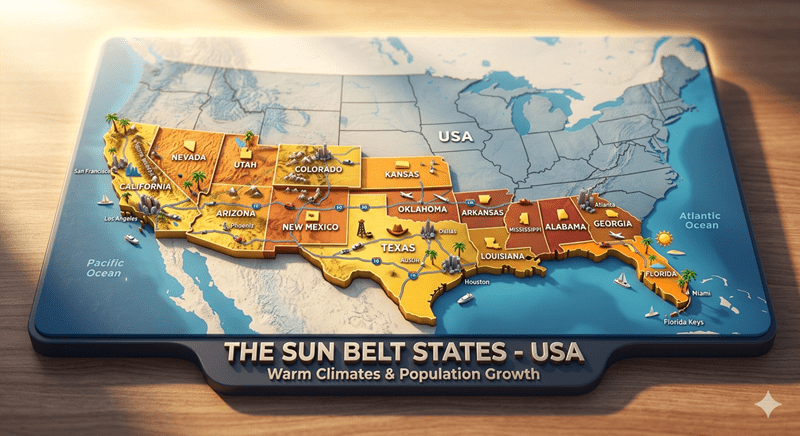
Over the past decade, southern and southwestern states have attracted a growing number of new residents. States such as Florida, Texas, Arizona, Nevada, and the Carolinas continue to appeal to people seeking warmer weather, economic growth, and lifestyle flexibility.
Beyond climate, many movers are drawn by affordable housing markets, business opportunities, and retirement-friendly communities. Understanding your reasons for relocating can help you make smarter decisions throughout the moving process.
One of the biggest mistakes people make is waiting too long to begin organizing their relocation.
A state-to-state move involves multiple moving parts, including transportation logistics, housing arrangements, utility transfers, and financial planning. Starting early allows you to compare options, avoid last-minute expenses, and reduce unnecessary stress.
Break your move into manageable phases:
A detailed timeline helps prevent overlooked tasks and keeps everything on schedule.
Long-distance relocations often cost more than expected.
Include expenses such as:
Leaving room for unexpected expenses can prevent financial surprises during the transition.
The company you hire can significantly influence your overall experience.
Not all movers offer the same level of service, pricing transparency, or customer support. Researching providers carefully can save time, money, and frustration.
If you’re comparing options, reviewing reputable interstate moving and storage companies can help narrow down reliable choices for your relocation needs.
Avoid accepting the first quote you receive.
Instead, collect estimates from several providers and compare:
This approach provides a clearer picture of market rates and available services.
Always confirm that a moving company is properly licensed and insured.
Legitimate movers should provide documentation, answer questions transparently, and explain their policies before you sign any agreement.
Moving offers an ideal opportunity to reduce unnecessary belongings.
The less you transport, the lower your overall moving costs may be.
Create four groups:
Be honest about what you truly use and need.
Many people discover they can eliminate a surprising amount of clutter before relocating.
Scan and securely store:
Digital backups can provide peace of mind during transit.
Choosing a state is only the beginning.
The neighborhood you select can have a significant impact on your daily life.
Research factors such as:
Visiting the area beforehand, if possible, can provide valuable firsthand insights.
Even within the same state, living expenses can vary dramatically.
Compare:
Understanding these factors helps you establish realistic financial expectations.
Housing decisions often become the most important aspect of a relocation.
Many movers debate whether they should rent first or purchase immediately.
Taking time to evaluate your options can reduce risk and improve long-term satisfaction. Exploring the pros and cons of renting or buying after moving to a new city can help you make a decision that aligns with your financial goals and lifestyle needs.
Renting offers flexibility while you learn:
This approach can prevent costly mistakes when entering an unfamiliar market.
Today’s relocation experience looks very different than it did a decade ago.
Digital tools can streamline planning, communication, and organization from start to finish.
Many industry experts note that technology is reshaping the interstate moving experience through virtual surveys, real-time shipment tracking, mobile apps, and AI-powered planning tools.
Consider using:
These tools can improve visibility and reduce administrative headaches.
Moving to a warmer state often means adapting to new environmental conditions.
While sunshine is attractive, every region presents unique weather patterns.
Research factors such as:
Preparing ahead can help protect both your belongings and your property.
Different climates require different maintenance routines.
You may need to account for:
Learning these expectations early can make the adjustment easier.
Leaving important paperwork until the last minute can create unnecessary complications.
Several weeks before moving day, begin updating your records.
Remember to notify:
Keeping records current helps avoid disruptions after arrival.
For a comprehensive relocation checklist, reviewing these essential steps before moving to a new state can help ensure nothing important gets overlooked.
The actual moving day can feel overwhelming, but proper preparation makes a major difference.
Include items you’ll need immediately:
Having these essentials readily available prevents unnecessary unpacking stress.
Avoid placing critical items on the moving truck.
Carry:
This reduces risk and provides added security.
The relocation process doesn’t end when the truck unloads.
The first few weeks are critical for creating a comfortable and organized transition.
Start with:
Completing these foundational tasks helps create stability quickly.
Getting involved in your community can accelerate the adjustment period.
Consider:
These connections often make a new location feel like home sooner.
To stay organized during the transition period, reviewing guidance for the first 30 days after moving can provide a practical roadmap for settling in successfully.
Even experienced movers can encounter avoidable challenges.
Watch out for these frequent issues:
A proactive approach helps minimize setbacks and unexpected expenses.
A successful move to a sunny destination requires thoughtful preparation, realistic expectations, and careful decision-making. Whether you’re relocating for work, retirement, family, or a lifestyle upgrade, investing time in planning can make the experience far more rewarding.
From selecting trustworthy movers to understanding your future community and preparing for climate differences, each step contributes to a smoother transition. With the right strategy in place, your move can become the beginning of an exciting and fulfilling new chapter.
Ideally, begin planning at least 8–12 weeks before your moving date.
Spring and fall often offer better availability and lower moving costs.
Declutter before packing, compare quotes, and book movers early.
Yes, visiting beforehand helps you evaluate neighborhoods and amenities.
It can provide valuable protection for high-value belongings during transit.
