Shipping a car isn’t like paying a fixed monthly bill. Prices shift constantly based on demand, distance, vehicle type, and how you choose to transport your car. If you’ve been trying to pin down an exact number, you’ve probably noticed how much quotes can vary—and that’s completely normal.
In this guide, we’ll break down car shipping costs, what influences pricing, and how you can estimate what you’ll actually pay. Whether you’re relocating, buying a car out of state, or planning a long-distance move, understanding these factors will help you make smarter decisions and avoid surprises.
Let’s start with a realistic baseline.

On average, car shipping costs around $710, but prices can range widely—from about $280 for short-distance transport to $2,000+ for cross-country enclosed shipping.

These estimates are based on hundreds of real quotes across multiple transport companies, covering different vehicle types and distances.
Here’s a quick breakdown:
Open transport (average): $710
Enclosed transport (average): $1,120
Open carriers are the most common and affordable option, while enclosed carriers offer added protection at a higher price.
While averages are helpful, your final quote depends on several key variables—which we’ll explore next.
Distance is one of the biggest cost drivers in auto transport.
The farther your vehicle needs to travel, the higher the total cost—but interestingly, the cost per mile usually decreases on longer trips.
150 miles
Open: $360
Enclosed: $580
Average: $470
550 miles
Open: $570
Enclosed: $920
Average: $740
1,000 miles
Open: $910
Enclosed: $1,390
Average: $1,150
1,050 miles
Open: $730
Enclosed: $1,200
Average: $960
2,750+ miles
Open: $1,010
Enclosed: $1,530
Average: $1,270
Fuel costs, driver time, tolls, and logistics all scale with distance, which is why longer shipments cost more overall.
Choosing between open and enclosed transport can significantly affect your total cost.
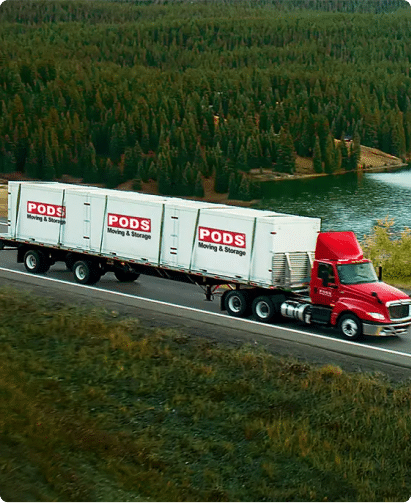
Open carriers are the standard in the industry. You’ve likely seen these trucks hauling multiple vehicles on highways.
Pros:
Lower cost
Faster scheduling
Widely available
Cons:
Enclosed shipping protects your vehicle inside a covered trailer.
Pros:
Maximum protection
Ideal for luxury, classic, or exotic cars
Cons:
Costs about $400 more on average
Limited availability
For most everyday vehicles, open transport is perfectly sufficient. Enclosed shipping is best reserved for high-value cars or when extra protection is a priority.
Bigger vehicles cost more to ship—it’s that simple.
Larger cars take up more space on the carrier and add extra weight, which impacts fuel consumption and logistics.
Sedan
Open: $640
Enclosed: $1,030
Average: $840
SUV
Open: $710
Enclosed: $1,120
Average: $910
Truck
Open: $790
Enclosed: $1,210
Average: $1,000
On average, each step up in size (car → SUV → truck) adds around $80 or more to your total shipping cost.
Car shipping isn’t priced like a standard service. It operates more like a marketplace, where carriers compete for jobs. That’s why pricing can fluctuate daily.
Here are the main factors that impact your quote:
Auto transport works on a bidding system. Carriers accept jobs based on routes, timing, and profitability.
If demand is high or fewer carriers are available, prices go up. If competition is strong, you may get a better deal.
Shipping between major cities is typically cheaper than rural routes.
Urban routes: Lower cost, more carriers available
Rural areas: Higher cost due to limited access
Car shipping has peak seasons—especially during summer and major relocation periods.
Peak season: Higher prices, longer wait times
Off-season: Lower prices, better availability
Planning your shipment during slower months can help reduce costs.
If your car isn’t running, it requires special equipment to load and unload.
This adds labor and time, increasing the overall price.
Extra services can quickly raise your quote:
Expedited shipping
Guaranteed delivery dates
Door-to-door delivery
Insurance upgrades
While convenient, these add-ons come at a premium.
Shipping multiple cars at once increases the total cost—but may reduce the cost per vehicle slightly.
If you’re flexible, there are several ways to lower your shipping costs.
Last-minute bookings often cost more. Scheduling in advance gives carriers time to optimize routes and offer better pricing.
Unless your vehicle requires extra protection, open transport is the most cost-effective option.
Flexible pickup and delivery windows can help you secure lower rates.
If possible, choose pickup and drop-off points near major roads or cities to reduce logistical costs.
Prices vary between providers, so it’s worth comparing options.
If you’re planning a move, exploring reliable interstate moving company options alongside car shipping can help streamline the entire process and potentially save money.
So, what will you actually pay?
Here’s a realistic expectation:
Short distance (under 500 miles): $300–$800
Medium distance (500–1,500 miles): $700–$1,200
Long distance (1,500+ miles): $1,000–$2,000+
Your final price will depend on your specific situation, but these ranges give you a solid starting point.
Car shipping costs aren’t fixed—and that’s what makes them confusing at first.
But once you understand how pricing works, everything becomes much clearer.
Distance, vehicle size, transport type, and timing all play a role. The more flexible you are, the more opportunities you’ll have to save.
If you’re planning ahead and comparing options, you can find a solution that fits both your timeline and your budget without unnecessary stress.