
Moving Containers
Recommendation
Moving Container Reviews
Recommendation
Truck Rentals Reviews
Storage Recommendations
Storage Review
Junk Removal Recommendations
Junk Removal Reviews
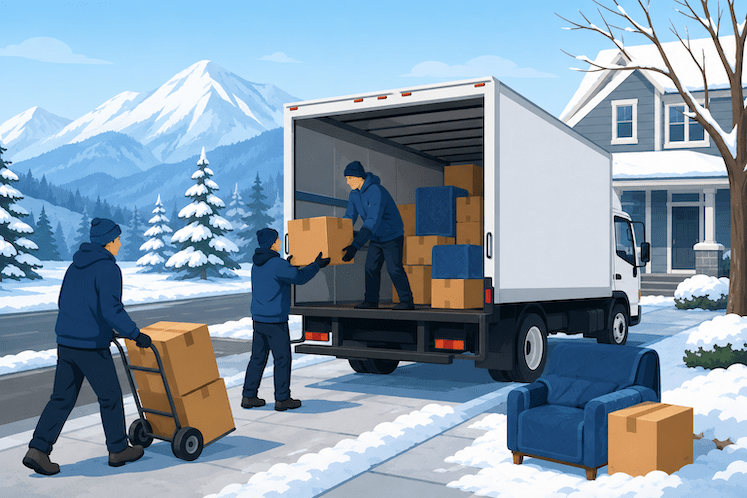

Moving across state lines during winter can be challenging, but the right moving company can make the process much easier. Snow, ice, freezing temperatures, and weather-related delays create obstacles that require experience, preparation, and specialized equipment.
Choosing a mover with proven cold-weather relocation expertise helps protect your belongings, minimize delays, and reduce the stress that often comes with winter moving. Whether you’re relocating for work, family, or a fresh start, understanding what separates reliable movers from the rest can save you time, money, and frustration.
If you’re comparing providers, reviewing trusted interstate moving company options early in the planning process can help narrow your choices and identify movers equipped for winter conditions.
Unlike moves during spring or summer, winter relocations introduce additional logistical concerns. Weather conditions can impact travel times, accessibility, and even the safety of your belongings during transport.
Some common challenges include:
Professional movers experienced with winter relocations understand how to adapt to these conditions while keeping your move on schedule.
Not all interstate movers are equally prepared for winter moves. Before booking a company, evaluate several important factors.
Companies that regularly perform cold-weather relocations typically have established procedures for handling weather-related challenges.
Ask potential movers:
Experienced movers can often anticipate problems before they occur.
The best interstate movers maintain vehicles designed to operate safely in winter conditions.
Look for companies that use:
Reliable equipment reduces the likelihood of delays and damage during transport.
Winter weather increases the possibility of accidents and unforeseen complications.
Always verify:
Proper coverage provides peace of mind throughout the relocation process.
Weather forecasts can change quickly.
A reputable moving company should:
The ability to adapt is especially important during winter moves.
The following movers are recognized for their services, nationwide reach, and ability to handle interstate relocations in various weather conditions.
Top Local Movers has built a reputation for dependable customer service and efficient interstate moving solutions. Their experience across different climates makes them a strong option for winter relocations.
College Hunks Moving offers full-service moving solutions and trained crews capable of navigating weather-related moving challenges. Their flexible service offerings make them a popular choice for long-distance moves.
For homeowners seeking flexibility, PACK-RAT combines moving and storage solutions that can be particularly useful when weather delays impact moving schedules.
With locations across the country, Two Men and a Truck has extensive experience handling interstate relocations in a variety of climates and conditions.
This company offers comprehensive moving services and provides support for residential and long-distance moves throughout the year.
Portable storage can be extremely valuable during winter moves. Portable In-Demand provides flexible solutions that allow homeowners additional time when weather creates unexpected delays.
For DIY movers, U-Haul remains one of the most recognized names in the industry. Their extensive truck rental network gives customers flexibility when planning winter relocations.
Penske offers newer trucks and reliable rental equipment, making it a strong choice for individuals managing their own interstate move.
Ace Relocation Systems specializes in long-distance moving services and provides professional support for complex interstate relocations, including those during winter months.
Before signing a contract, ask prospective movers specific questions about their winter moving procedures.
Understanding the company’s contingency plans helps you prepare for potential schedule changes.
Some movers may charge additional fees for difficult weather conditions, snow removal requirements, or extended travel times.
Ask how the company protects furniture, electronics, and fragile items from moisture and extreme temperatures.
Temporary storage options can be invaluable if your destination home isn’t ready due to weather-related complications.
For additional preparation advice, reviewing these important moving company questions before booking can help avoid surprises later.
Even with professional movers, there are steps you can take to safeguard your possessions.
Cold temperatures can damage sensitive electronics.
Before packing:
Snow and slush can create moisture exposure during loading and unloading.
Consider:
Pack a separate winter essentials bag containing:
Having necessities readily available reduces stress during unexpected delays.
Begin tracking forecasts several days before moving day. This allows you to adjust plans if severe weather develops.
Remove snow and ice before movers arrive. Safe access reduces injury risks and speeds up loading.
Winter daylight is limited. Starting early maximizes available daylight and provides extra flexibility if delays occur.
For many people, full-service moving companies offer significant advantages during winter.
Benefits include:
However, full-service moves typically cost more than DIY options. Understanding the benefits and trade-offs of professional moving and storage solutions can help determine whether the additional investment makes sense for your situation.
Winter interstate relocations require more planning than moves during warmer seasons, but the right moving company can make the experience significantly easier. By choosing a mover with winter-specific experience, weather-ready equipment, strong communication practices, and comprehensive insurance coverage, you can minimize risks and keep your relocation on track.
Whether you prefer a full-service mover or a DIY approach, researching providers early and preparing for weather-related challenges will help ensure a smoother transition.
Yes. Winter often offers lower moving rates and greater scheduling flexibility. However, weather-related challenges require additional planning and preparation.
Booking four to eight weeks in advance is recommended, especially if you’re moving during the holiday season or between states with severe winter weather.
Most moving companies can operate during light to moderate winter weather. Severe storms may require delays for safety reasons.
In many cases, yes. Winter is generally considered an off-peak moving season, which can result in lower rates and increased availability.
Use waterproof coverings, moving blankets, and proper wrapping materials. Professional movers typically provide additional protection for sensitive items.
