
Moving Containers
Recommendation
Moving Container Reviews
Recommendation
Truck Rentals Reviews
Storage Recommendations
Storage Review
Junk Removal Recommendations
Junk Removal Reviews


Finding the right storage space can save you time, money, and plenty of stress. Whether you’re moving, downsizing, renovating, or simply trying to clear out extra clutter, choosing the right unit matters more than most people expect.
Many people rent more space than they need, while others end up struggling with limited room and poor organization. This guide breaks down everything you need to know before renting a unit, from sizing and pricing to security and long-term planning.
If you’ve ever searched for a storage unit near me and felt overwhelmed by the options, this article will help you make a smarter decision with confidence.
Storage facilities are no longer used only during major moves. Today, homeowners, renters, students, remote workers, and small businesses all rely on flexible storage solutions.
Modern storage facilities offer convenient access, climate-controlled environments, advanced security, and flexible rental terms. This makes them useful for both short-term and long-term situations.
People commonly rent storage space for:
For people relocating across state lines, working with the best interstate moving and storage providers can simplify the transition and reduce the need for multiple service vendors.
Not all storage spaces are designed the same way. Understanding the differences helps you avoid paying for features you don’t need.
Climate-controlled units maintain consistent temperature and humidity levels. They’re ideal for sensitive belongings such as:
These units usually cost more, but they help prevent damage caused by extreme heat, moisture, or temperature swings.
Indoor units are located inside a building and offer an additional layer of protection from weather conditions. They’re popular for household goods and long-term storage.
Drive-up units allow you to load and unload directly from your vehicle. This is convenient for heavy furniture, equipment, or frequent access needs.
Many companies use storage for inventory, records, marketing materials, and office furniture. Businesses looking for flexible inventory management often benefit from using temporary storage during growth periods or seasonal demand spikes.
Choosing the correct unit size is one of the biggest factors in controlling costs.
A unit that’s too small becomes difficult to organize, while oversized spaces waste money every month.
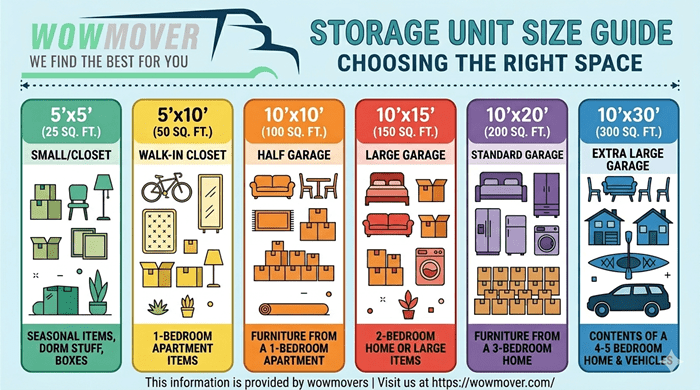
Small spaces work best for boxes, seasonal items, sports equipment, or a few pieces of furniture.
A 5×5 storage unit is often compared to a small walk-in closet and can typically hold:
Medium-sized units 10×10 storage unit can hold the contents of a one-bedroom apartment, including appliances, mattresses, and furniture.
These units are commonly chosen during moves or remodeling projects.
Large 10×15 storage units work well for multi-bedroom homes, business inventory, or vehicle storage.
If you’re unsure about sizing, many facilities provide online calculators and visual guides to help estimate your space needs.
Rental costs vary significantly depending on several factors. Understanding these variables helps you budget more accurately.
Facilities in urban areas or high-demand neighborhoods generally charge higher rates than suburban or rural locations.
Larger spaces naturally cost more, though pricing doesn’t always increase proportionally. Sometimes upgrading slightly provides much better value.
Climate-controlled units come at a premium because of their specialized environmental systems.
24-hour access, drive-up convenience, elevator access, and enhanced security may increase monthly pricing.
Storage demand changes seasonally. Summer moving season often leads to higher rates and lower availability.
If you’re researching storage unit prices, compare at least three facilities before making a final decision.
Monthly rent isn’t always the full expense. Many renters overlook additional fees that affect the total storage unit cost.
Common extra charges include:
Always ask for a full cost breakdown before signing a rental agreement.
Reviewing average storage units rates ahead of time can help you spot overpriced facilities and negotiate better terms.
Security should be one of your top priorities when selecting a facility.
A cheaper unit may not be worth the risk if your belongings aren’t adequately protected.
Controlled gate entry helps prevent unauthorized access to the property.
Modern facilities typically monitor entrances, hallways, and loading areas with 24/7 surveillance.
Some premium facilities offer alarms for each individual unit.
Facilities with on-site managers often respond faster to issues and provide an extra layer of oversight.
Well-lit properties improve safety during evening visits and discourage theft.
Packing efficiently helps maximize space and protects your belongings from damage.
Boxes of similar sizes stack more securely and create cleaner rows inside the unit.
Clear labels save time later and reduce the need to unpack boxes unnecessarily.
A narrow aisle down the middle makes it easier to access items without unloading the entire unit.
Place heavier boxes at the bottom to prevent crushing fragile items.
Use furniture covers, blankets, and plastic wrap to reduce dust and moisture exposure.
Many renters run into avoidable problems simply because they rush the process.
The cheapest facility may lack security, cleanliness, or proper maintenance.
Some facilities limit access to business hours, which may not fit your schedule.
Storage facilities often require insurance, but the default coverage may not fully protect valuable items.
People frequently overestimate how much room they need.
Always review terms related to late fees, rent increases, and cancellation policies.
Following practical storage rental tips can help you avoid common rental mistakes and unexpected costs.
Storage plays a major role during moving transitions. Delays between move-out and move-in dates often create temporary gaps where belongings need a safe place to stay.
Portable containers and short-term rentals are especially useful during:
Combining moving and storage services can also simplify logistics and reduce transportation stress.
A well-organized unit saves time, protects your belongings, and makes future access easier.
Group similar items together, such as kitchen supplies, seasonal décor, or business inventory.
Items you access regularly should stay close to the entrance.
Portable shelves help maximize vertical space and reduce stacking pressure on boxes.
Maintain a simple checklist or photo inventory to track what’s stored inside.
For many people, renting extra space provides convenience and flexibility that outweigh the monthly expense.
A self storage unit can help reduce household clutter, protect valuable belongings, and create breathing room during life transitions.
The key is choosing the right size, location, and features based on your actual needs instead of selecting the first option available.
The ideal rental period depends on your situation.
Short-term rentals work well for:
Long-term rentals are common for:
Before committing long-term, ask whether the facility offers discounts for extended contracts or prepaid plans.
Renting storage space should make your life easier, not more complicated. Taking time to compare facilities, understand pricing, and choose the right size can prevent unnecessary expenses and frustration later.
Whether you need temporary space during a move or a long-term solution for extra belongings, the right storage setup gives you flexibility, security, and peace of mind.
By focusing on accessibility, security, organization, and realistic sizing, you’ll be able to choose a unit that fits both your needs and your budget.
Estimate the number of boxes and furniture items you plan to store before comparing unit dimensions.
Yes, especially for electronics, wood furniture, artwork, and sensitive materials.
Some facilities offer 24/7 access, while others have restricted operating hours.
Most facilities require basic insurance coverage for stored belongings.
Choose the right size, avoid unnecessary upgrades, and compare multiple facilities before renting.
