
Moving Containers
Recommendation
Moving Container Reviews
Recommendation
Truck Rentals Reviews
Storage Recommendations
Storage Review
Junk Removal Recommendations
Junk Removal Reviews
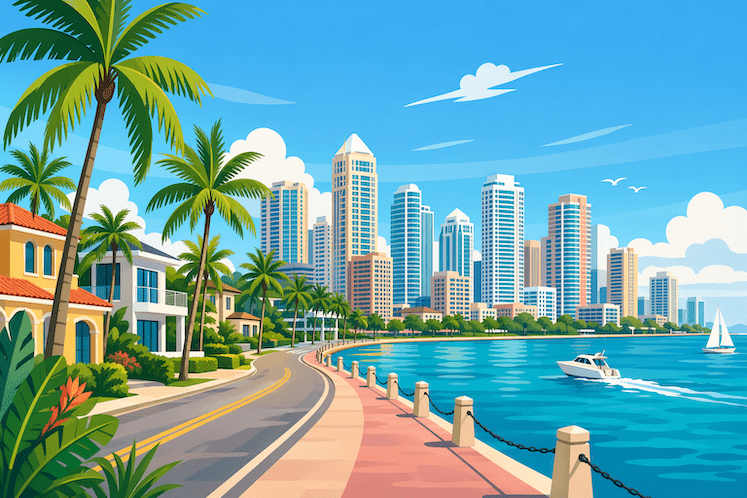

South Florida has a way of getting people’s attention. The weather is warm, the beaches are world-famous, the culture is vibrant, and daily life often feels more active and outdoorsy than in many other parts of the country. For many people, moving to South Florida is about more than a change of address. It is about upgrading their lifestyle, finding better weather, and starting fresh in a place that feels energetic year-round.
Still, a move to South Florida works best when you go in prepared. The sunshine is real, but so are the costs, traffic, storm season, and fast pace of growth in many areas. Before packing up, it helps to understand how the region feels, what everyday life looks like, and what kind of budget and routine will make the transition easier.
If you are weighing your options across the state, it is also worth comparing South Florida with other Florida cities. For a different pace and layout, this relocation guide for moving to Gainesville, FL offers a useful contrast.
South Florida attracts a wide mix of new residents. Some come for work, some for retirement, and others simply want to trade cold winters for warm weather and a more relaxed coastal lifestyle. The region offers a mix of major metro energy and beach-town appeal, which is a big part of why it continues to draw attention.
The appeal usually starts with climate. South Florida gives residents access to sunshine, palm-lined neighborhoods, and outdoor activities that are not limited to a short summer season. Whether you enjoy boating, beach days, outdoor dining, or simply being able to walk outside without snow gear, the weather is one of the strongest reasons people move here.
There is also a lifestyle advantage. South Florida is known for its mix of entertainment, dining, sports, waterfront living, and cultural diversity. In one week, you can spend time at the beach, visit art districts, catch a pro sports event, and explore neighborhoods shaped by Latin American and Caribbean influences.
For many households, Florida’s tax structure is another reason the move becomes more attractive. The absence of state income tax is often seen as a financial perk, especially for professionals, business owners, and retirees who want to keep more of what they earn.
One of the biggest surprises for newcomers is that South Florida does not feel like a traditional Southern destination. It has its own identity, and that identity is heavily shaped by international influence, especially from Latin America and the Caribbean.
That influence shows up in the food, music, language, business culture, and neighborhood character. In many communities, bilingual communication is common, and the culinary scene reflects a wide blend of Cuban, Colombian, Venezuelan, Haitian, Peruvian, and other global influences. If you enjoy living somewhere with cultural variety built into everyday life, South Florida delivers that in a very visible way.
This also affects the overall pace and feel of daily life. Some areas are polished and high-energy. Others are more laid-back and residential. You can find luxury high-rises, family suburbs, retirement communities, and waterfront neighborhoods all within the same region. That range makes South Florida appealing, but it also means you need to choose your location carefully based on how you actually want to live.
Warm weather is one of the biggest reasons people move to South Florida, and it is easy to see why. Winters are mild, outdoor living is part of the culture, and beach access is often a normal weekend plan rather than a rare vacation event.
But the climate is not all upside. Heat and humidity are constant realities for much of the year. If you are used to four distinct seasons, the adjustment can take time. Summer can feel intense, especially for people moving from cooler states.
Storm preparedness is another part of life here. Hurricane season is something residents take seriously, and new arrivals need to do the same. That means understanding evacuation zones, keeping emergency supplies on hand, and paying attention to weather alerts when storms develop. It is manageable, but it should never be treated casually.
The upside is that many residents feel the weather trade-off is worth it. If being outdoors matters to you, South Florida makes that possible almost all year. The key is going in with realistic expectations instead of assuming every day feels like a postcard.
A lot of people move to Florida believing it will automatically be cheaper. In some parts of the state, that may be true. In South Florida, though, the answer depends heavily on where you live, how you commute, and what type of housing you want.
Housing costs can be one of the biggest factors in your budget. Waterfront areas, popular urban neighborhoods, and high-demand suburbs can be significantly more expensive than people expect. Rent, homeowners insurance, condo fees, and property-related costs can all shape the real cost of living in ways that go beyond the monthly mortgage or lease payment.
Transportation also matters. Some areas are easier to navigate without a long commute, while others can add a lot of time and fuel costs to your week. Before moving, it is smart to compare not just rent or home prices, but also insurance, utilities, parking, groceries, and commuting expenses.
That does not mean South Florida is off-limits for budget-conscious movers. It just means planning matters. Choosing the right neighborhood can make a major difference in how affordable the region feels on a daily basis.
South Florida can feel exciting, but it is not just a vacation destination. Once you live here, the experience becomes more practical. Daily routines matter more than beaches, and the details of where you shop, work, drive, and relax will shape whether the move feels right in the long run.
Traffic is one of those practical realities. Depending on the city and your route, commuting can be frustrating. A beautiful apartment loses some of its appeal if it adds a stressful drive to your workweek. That is why neighborhood choice matters so much. Living closer to work, school, or your most common destinations can improve your quality of life dramatically.
There is also a strong social and recreational culture. Residents often spend time outdoors, dine out frequently, and take advantage of local attractions. Sports culture is a real draw as well, with major teams and events helping make the region feel lively year-round.
At the same time, not every part of South Florida feels nonstop. Many communities are designed for quieter living, especially for retirees and families who want access to amenities without living in the center of the action. The region gives you options, but the right fit depends on your priorities.
For many people, this is the headline benefit. The ability to enjoy beaches, parks, walking trails, and outdoor dining year-round can change how you spend your time and how active your lifestyle feels.
This is one of the best-known financial advantages of living in Florida. For households looking at long-term earnings, retirement income, or business income, that can be a meaningful part of the decision.
South Florida is known for coastal access, boating, water sports, and scenic public spaces. Even if you are not directly on the water, the region’s outdoor culture shapes everyday life in a way many newcomers enjoy.
If you want access to different cuisines, languages, traditions, and neighborhoods, South Florida offers a lot. The area feels multicultural in a way that gives it personality and keeps daily life interesting.
From nightlife and sports bars to shopping districts, arts venues, and local attractions, there is rarely a shortage of things to do. Residents who like activity and variety often appreciate this part of the move.
South Florida includes communities tailored to different stages of life. Some are geared toward active retirees, while others attract families looking for schools, parks, and suburban convenience.
Storm planning is not optional. You need to know your building standards, insurance coverage, and local emergency procedures. It is a real part of being a responsible resident.
The climate is attractive, but it can also be tiring if you are not used to it. Air conditioning, hydration, and schedule adjustments become part of everyday comfort.
A move that looks perfect on paper can become frustrating if your daily drive is difficult. This is why researching neighborhoods before moving is so important.
Depending on the area, South Florida housing can feel competitive and expensive. It is smart to plan for more than just rent or mortgage numbers.
Even if taxes are favorable, other expenses may offset some of the savings. Looking at the full monthly picture is more helpful than focusing on one category alone.
Before moving, ask yourself a few practical questions. Do you genuinely enjoy warm weather year-round, or do you just like the idea of it during winter? Are you comfortable in a fast-growing region with traffic and seasonal storm concerns? Does your budget support the kind of neighborhood and routine you want?
It is also worth thinking about lifestyle fit. South Florida works well for people who enjoy energy, diversity, and an outdoor-focused way of living. It can be especially attractive for people who value access to beaches, entertainment, and cultural variety. On the other hand, if you prefer a slower pace, lower housing pressure, or a more traditional small-town feel, the right area may be elsewhere in the state.
The goal is not to choose based on image alone. It is to choose based on how you want your real, everyday life to feel once the boxes are unpacked.
A smoother move starts with research and planning. These steps can make the transition easier and reduce avoidable stress.
Do not rely only on online listings. Spend time in the area at different hours, look at commute times, and get a feel for the traffic, noise, and nearby essentials.
Include rent or mortgage, insurance, utilities, groceries, transportation, parking, and emergency savings. A complete budget gives you a much clearer picture of affordability.
Storm readiness matters in South Florida. Learn what supplies you should keep, what your building requires, and how your area handles severe weather alerts.
A cheaper place farther from your job or regular destinations may not feel like a win after a few months. Convenience can be just as important as price.
A long-distance or interstate move can become expensive and chaotic without the right support. Comparing long-distance movers can help you make a more informed choice.
Moving to South Florida can be a great decision for the right person. The region offers sunshine, beaches, cultural depth, strong entertainment options, and a lifestyle that feels active and visually appealing. For many new residents, it really does feel like living where other people vacation.
At the same time, a smart move depends on honest preparation. You need to account for weather, budget, commuting, and neighborhood fit before making the leap. When you do that work in advance, South Florida becomes much easier to enjoy for what it really is: a dynamic, attractive place to build your next chapter.
If South Florida sounds like the right fit, planning the move carefully is the best way to start strong. And if you need help getting there, professional support can make the entire process far less stressful.
Yes, it can be. South Florida has family-friendly suburbs, parks, schools, and year-round outdoor activities. The best fit depends on your budget, commute needs, and preferred neighborhood style.
It can be, especially in high-demand areas. Housing, insurance, and transportation costs vary a lot by location, so it is important to compare neighborhoods carefully before moving.
For many people, it is the mix of warm weather, no state income tax, beach access, and a lifestyle that feels active and social throughout the year.
You should prepare for hurricane season, humidity, traffic, and location-based cost differences. A realistic budget and strong neighborhood research will make the move much easier.
Not really. South Florida has a distinct identity shaped by international, Latin American, and Caribbean influences, which makes its culture, food, and atmosphere feel very different.
