
Moving Containers
Recommendation
Moving Container Reviews
Recommendation
Truck Rentals Reviews
Storage Recommendations
Storage Review
Junk Removal Recommendations
Junk Removal Reviews
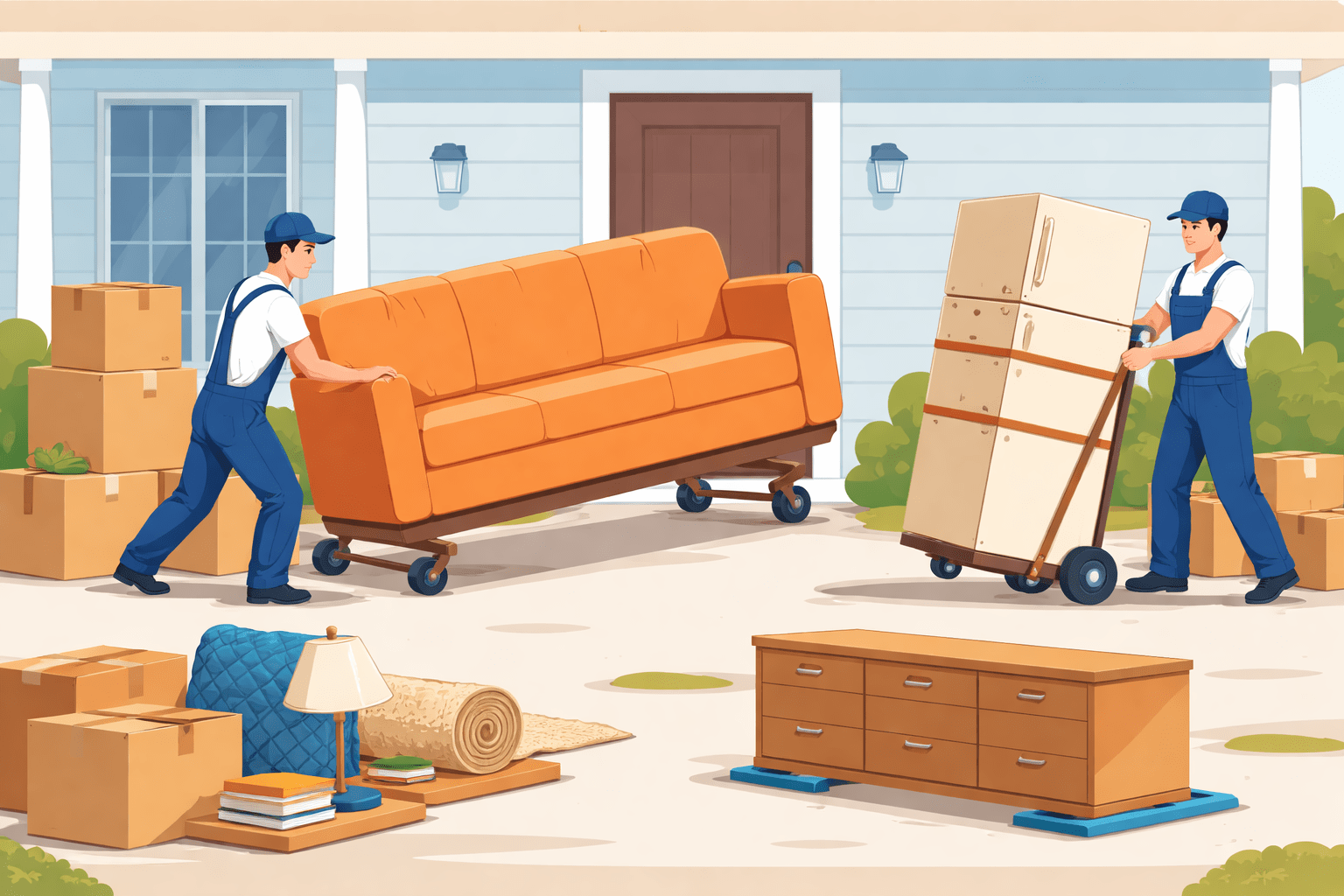

Moving large furniture can be one of the most challenging parts of relocating, whether it’s across town or just down the street. Heavy sofas, oversized desks, and bulky dressers often feel impossible to handle without professional help. But with the right preparation, tools, and techniques, even the heaviest pieces can be moved safely and efficiently.
Many people underestimate the risks of moving large furniture themselves. Without proper planning, you could end up injuring your back, damaging walls, or scratching floors. The good news is that by understanding professional methods and using the correct equipment, you can make the process much smoother.
For example, professional moving service providers are trained to handle these situations daily. They know how to lift, carry, and protect every item in your home. But if you’re planning a do-it-yourself move, this guide will show you step-by-step strategies for handling large furniture safely.
The main challenge with large furniture is its size and weight. Items like couches, dining tables, or armoires are not only heavy but also awkwardly shaped. Trying to lift them incorrectly can lead to serious injuries or damage to your home.
Another reason people struggle is a lack of proper equipment. Professional movers rely on dollies, lifting straps, and furniture sliders to move items efficiently. Without these tools, even a seemingly simple task can become a stressful and unsafe endeavor.
Understanding the risks and planning ahead is key. By taking the time to prepare, you can avoid injuries and protect your belongings.
Even if you’re tackling a move alone, several strategies can make lifting and transporting heavy furniture safer. Here’s what you need to know.
Planning is the first step in moving large items. Start by evaluating whether you’ll need help or if you can handle the furniture on your own.
Next, identify the exact pieces you’ll move and the paths you’ll take. Check doorways, staircases, and tight corners. Consider removing obstacles and measuring furniture to ensure it fits through openings.
You should also plan where each piece will go once it reaches your new home. Knowing the final placement in advance makes unloading faster and reduces the risk of accidents.
Whenever possible, break down furniture into smaller parts. Removing drawers, shelves, legs, and detachable handles will make lifting easier. For example, empty desk drawers and tape them shut to prevent contents from falling.
Labeling the pieces as you disassemble them ensures easy reassembly later. This step not only makes moving simpler but also protects walls, floors, and your own fingers from injury.
Even minor reductions in weight or bulk can make a big difference in maneuverability and safety.
Having the proper tools is essential when moving large furniture. Professionals never attempt a lift without equipment, and neither should you. Here are the most important tools to consider:
Dollies make transporting heavy items much easier. A utility dolly has two wheels and stands upright, ideal for appliances like washing machines. A furniture dolly is flat with four wheels, perfect for couches, dressers, and other bulky items.
You can rent dollies from local moving companies, which is often cheaper than buying them. When using a dolly, make sure the furniture is balanced to avoid tipping.
Lifting straps work like a pulley system to reduce strain on your back. By distributing weight evenly, they make it easier to carry heavy items safely. Straps are especially useful for long or awkward pieces like couches and bookcases.
Moving furniture down stairs is particularly risky. Stair rollers are designed to make this easier, but they still require caution. If you’re unsure, enlist a friend to assist. One wrong step can lead to serious injuries.
Sliders are flat pads that slip under furniture legs, allowing items to glide across floors without lifting. They are ideal for dressers, tables, and couches. Sliders also protect hardwood, tile, and carpet from scratches or scuffs.
Simply lift one corner at a time, place the slider underneath, and push gently. This method eliminates the need for excessive lifting and reduces fatigue.
Even with careful handling, furniture can still bump walls, doorways, or other belongings. Protecting your items and surroundings is crucial.
Removing door trim can give you extra space for large items. Cover furniture with quilted pads, blankets, or bubble wrap to prevent scratches and dents. Secure covers with tape so they don’t slip during transport.
Taking these precautions may seem minor, but they prevent costly damage and save you time and stress.
Improper lifting is the leading cause of moving injuries. Professionals follow specific techniques to protect their bodies and furniture.
Lift with your legs, not your back: Bend at the knees and keep your back straight.
Keep furniture close: Hold items near your body at waist level to maintain balance.
Avoid twisting: Turn your whole body rather than twisting at the waist.
Move slowly: Rushing increases the risk of dropping or tipping the furniture.
Use multiple people: Heavy or oversized pieces should always be carried by two or more people.
Even with the right tools, technique is everything. Practicing safe lifting prevents serious injuries and keeps your furniture intact.
When moving large items, proper packing is just as important as lifting. Wrap furniture in blankets or shrink wrap to protect surfaces. Disassemble beds, tables, and other modular pieces to reduce bulk.
For long-distance moves, secure items in the truck so they don’t shift. Place heavier pieces on the bottom and lighter items on top. Tie furniture down with straps to prevent movement during transit.
While DIY moving can be done safely with preparation, there are situations where professional movers are the better choice. Consider hiring movers if:
The furniture is extremely heavy or bulky
You don’t have access to the right equipment
You’re moving large appliances or delicate items
You want to minimize the risk of injury or damage
100% Free Instant Moving Quotes! America’s Most Reliable and Affordable Long-Distance or Local Movers at WOW MOVER
Moving large furniture is challenging but manageable with proper planning, tools, and technique. Disassembling pieces, using dollies and sliders, and protecting both furniture and your home are key strategies for a safe move.
While DIY moving is possible, don’t hesitate to seek professional help when needed. Movers have the expertise and equipment to transport even the largest items without damage. By following these tips, you can ensure a smooth, safe, and stress-free move.
