
Moving Containers
Recommendation
Moving Container Reviews
Recommendation
Truck Rentals Reviews
Storage Recommendations
Storage Review
Junk Removal Recommendations
Junk Removal Reviews
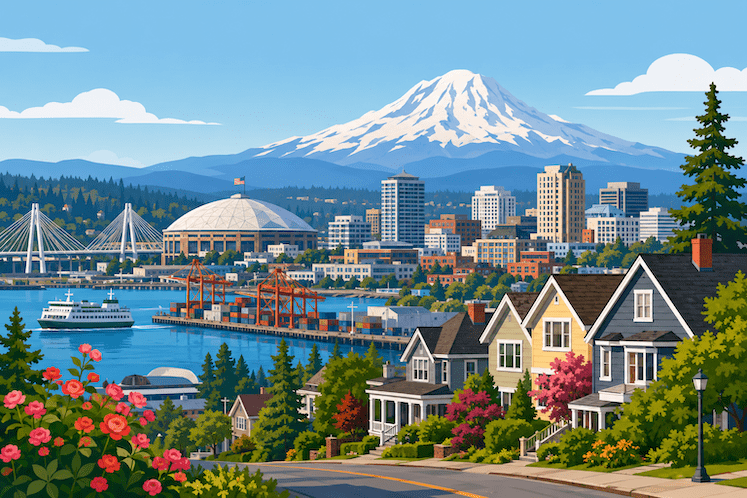

Tacoma, Washington continues to attract new residents looking for a more balanced lifestyle in the Pacific Northwest. Located along Puget Sound and less than an hour south of Seattle, Tacoma offers access to major employers, outdoor recreation, waterfront living, and a growing arts scene without the extreme housing costs often associated with larger West Coast cities.
For many people relocating to Washington, Tacoma feels like the sweet spot. It has the convenience of a major metro area while still maintaining distinct neighborhoods, quieter residential communities, and easier access to nature. Whether you are relocating for work, family, military service, or simply a lifestyle change, understanding Tacoma’s housing market, economy, cost of living, and transportation system can help you prepare for a smoother move.
If you’re planning a long-distance relocation, working with experienced cross-country movers for state-to-state relocations can help simplify the process and reduce unnecessary stress before moving day.
Tacoma has evolved significantly over the last decade. Once overshadowed by Seattle, the city has become one of Washington’s fastest-growing relocation destinations thanks to its lower housing costs, revitalized downtown districts, and expanding job opportunities.
Many new residents are drawn to Tacoma because it offers:
More affordable housing compared to Seattle
Easy access to outdoor recreation
A strong military and healthcare job market
A growing restaurant and arts culture
Waterfront living near Puget Sound
Convenient access to Seattle and Portland
Tacoma also appeals to remote workers and hybrid employees who want to stay connected to larger cities while enjoying slightly more manageable living costs.
Tacoma is Washington’s third-largest city, with a population of over 220,000 residents. Located in Pierce County, the city plays a major role in the regional economy thanks to the Port of Tacoma, healthcare systems, military employment, logistics companies, and education services.
The city combines urban amenities with strong Pacific Northwest character. You can spend the morning downtown, hike near Mount Rainier in the afternoon, and still return home before dinner.
One of Tacoma’s biggest advantages is affordability compared to nearby Seattle. While housing prices have increased in recent years, Tacoma still provides more value for renters and homebuyers looking to stay near the Seattle metro area.
Tacoma residents enjoy quick access to hiking trails, waterfront parks, mountain views, and nearby destinations like Mount Rainier National Park and Puget Sound.
Tacoma benefits from a diverse economy that includes healthcare, shipping, education, government, logistics, and military employment.
Several areas throughout Tacoma have experienced redevelopment and infrastructure improvements, bringing in new restaurants, businesses, apartment communities, and entertainment venues.
Tacoma’s location along Interstate 5 makes commuting to Seattle, Olympia, and Portland relatively convenient for work or weekend travel.
Like any city, Tacoma also comes with a few drawbacks that new residents should consider before relocating.
Interstate 5 traffic can become extremely congested during rush hour, especially for commuters traveling north toward Seattle.
Tacoma experiences long rainy seasons typical of the Pacific Northwest. Winters are generally mild, but cloudy weather is common for much of the year.
Although Tacoma remains cheaper than Seattle, home prices and rental costs have steadily increased as more people relocate to the area.
Certain neighborhoods still experience higher crime rates than others, so researching areas carefully before moving is important.
Tacoma’s cost of living sits above the national average but remains more affordable than Seattle and several other major West Coast cities.
Housing is the largest expense for most residents, followed by transportation and groceries. However, many people relocating from California or larger metro areas still find Tacoma comparatively manageable.
A family of four living comfortably in Tacoma may spend approximately:
| Expense Category | Estimated Monthly Cost |
|---|---|
| Housing | $2,000–$3,200 |
| Utilities | $250–$400 |
| Groceries | $800–$1,100 |
| Transportation | $900–$1,300 |
| Healthcare | $400–$800 |
| Childcare | $900–$1,500 |
Actual costs depend heavily on neighborhood, lifestyle, and commute distance.
If you’re preparing financially for relocation, understanding how interstate moving expenses can affect your total relocation budget can help you avoid unexpected costs during the transition.
Tacoma’s housing market has become increasingly competitive as more buyers and renters search for alternatives to Seattle.
The median home price in Tacoma now typically falls between $475,000 and $600,000 depending on the neighborhood and property type. Waterfront properties and homes in highly desirable districts can cost significantly more.
Popular residential neighborhoods include:
North End
Proctor District
Stadium District
University Place
South Tacoma
Ruston
Rental prices continue to rise across Tacoma, though they remain below Seattle averages.
Typical rental pricing includes:
| Apartment Type | Average Monthly Rent |
|---|---|
| Studio | $1,300–$1,700 |
| One-Bedroom | $1,500–$2,000 |
| Two-Bedroom | $1,900–$2,700 |
Many renters relocating to Tacoma initially choose apartments near downtown or near major commuting routes.
Tacoma’s economy continues to expand thanks to its transportation infrastructure, military presence, healthcare sector, and growing business development.
Several large employers drive the local economy, including:
MultiCare Health System
CommonSpirit Health
Tacoma Public Schools
Port of Tacoma
City of Tacoma
Pierce County Government
Joint Base Lewis-McChord (JBLM)
University of Washington Tacoma
The Port of Tacoma remains one of the city’s largest economic engines. It plays a critical role in shipping, warehousing, transportation, and international trade throughout the Pacific Northwest.
Thousands of workers across logistics, operations, and supply chain industries rely on the port for employment.
Joint Base Lewis-McChord is one of the largest military installations in the United States and supports both military personnel and civilian jobs throughout the region.
This steady military presence contributes significantly to Tacoma’s housing demand and local economy.
Tacoma offers multiple transportation options, though many residents still rely heavily on personal vehicles.
Interstate 5 serves as the primary transportation corridor connecting Tacoma to Seattle and Olympia. Traffic can become challenging during peak commuting hours.
Many longtime residents learn alternative routes to avoid congestion around downtown and freeway bottlenecks.
Tacoma’s public transportation system includes:
Pierce Transit buses
Sound Transit services
Tacoma Link light rail
Sounder commuter rail
Commuters traveling to Seattle often use the Sounder train to avoid freeway traffic.
Seattle-Tacoma International Airport is approximately 30–40 minutes away depending on traffic, making domestic and international travel relatively convenient.
Tacoma features a wide variety of neighborhoods, each offering different lifestyles and price ranges.
The North End is known for tree-lined streets, historic homes, waterfront access, and strong community appeal.
This area offers walkable streets, coffee shops, restaurants, and local businesses with a quieter residential atmosphere.
Downtown continues to grow rapidly with modern apartments, nightlife, museums, and entertainment venues.
Located just outside Tacoma, University Place is popular among families due to its schools and suburban environment.
Ruston features waterfront living, scenic views, parks, and modern developments near Point Ruston.
Tacoma experiences a mild marine climate with cool winters and comfortable summers.
Winters are wet but rarely severe. Snowfall happens occasionally but usually does not last long.
Summers are generally mild and pleasant, with temperatures often ranging between 70–85°F.
Rain is common from late fall through spring. New residents unfamiliar with Pacific Northwest weather should prepare for extended cloudy periods.
Tacoma offers a mix of outdoor activities, entertainment, museums, and waterfront attractions.
Popular destinations include:
Point Defiance Park
Museum of Glass
Tacoma Art Museum
Point Ruston Waterfront
Tacoma Dome
Chambers Bay Golf Course
Residents also enjoy easy weekend access to hiking, skiing, camping, and mountain recreation throughout Washington.
Relocating to Tacoma becomes easier with proper planning and realistic expectations.
Neighborhood pricing, safety, commute times, and amenities vary significantly across Tacoma.
If commuting to Seattle or nearby cities, test commute times before signing a lease or purchasing a home.
Washington does not have a state income tax, but sales taxes are relatively high compared to many other states.
Peak moving season in Washington fills up quickly during spring and summer months.
Scheduling professional long-distance movers experienced with Washington relocations ahead of time can help secure better pricing and availability.
For many people, Tacoma offers an attractive combination of affordability, outdoor access, employment opportunities, and urban convenience.
While housing prices and traffic have increased, Tacoma still provides more flexibility than larger West Coast cities. Residents can enjoy waterfront living, nearby mountains, and a growing economy while staying connected to Seattle and the rest of the Pacific Northwest.
Whether you are relocating for work, family, or a lifestyle change, Tacoma remains one of Washington’s most practical and appealing cities for long-term living.
Yes. Tacoma is generally more affordable than Seattle when it comes to housing, rent, and everyday living expenses.
Tacoma has strong employment opportunities in healthcare, logistics, military services, education, shipping, and government sectors.
Many Tacoma neighborhoods are family-friendly, though safety can vary depending on the area. Researching neighborhoods before moving is highly recommended.
Tacoma is approximately 35 miles south of Seattle. Drive times usually range from 40 minutes to over an hour depending on traffic.
Yes. Tacoma experiences frequent rainfall during much of the year, especially from fall through spring.
Yes. Many remote workers choose Tacoma because it offers lower housing costs than Seattle while still providing access to major city amenities and outdoor recreation.
