
Moving Containers
Recommendation
Moving Container Reviews
Recommendation
Truck Rentals Reviews
Storage Recommendations
Storage Review
Junk Removal Recommendations
Junk Removal Reviews
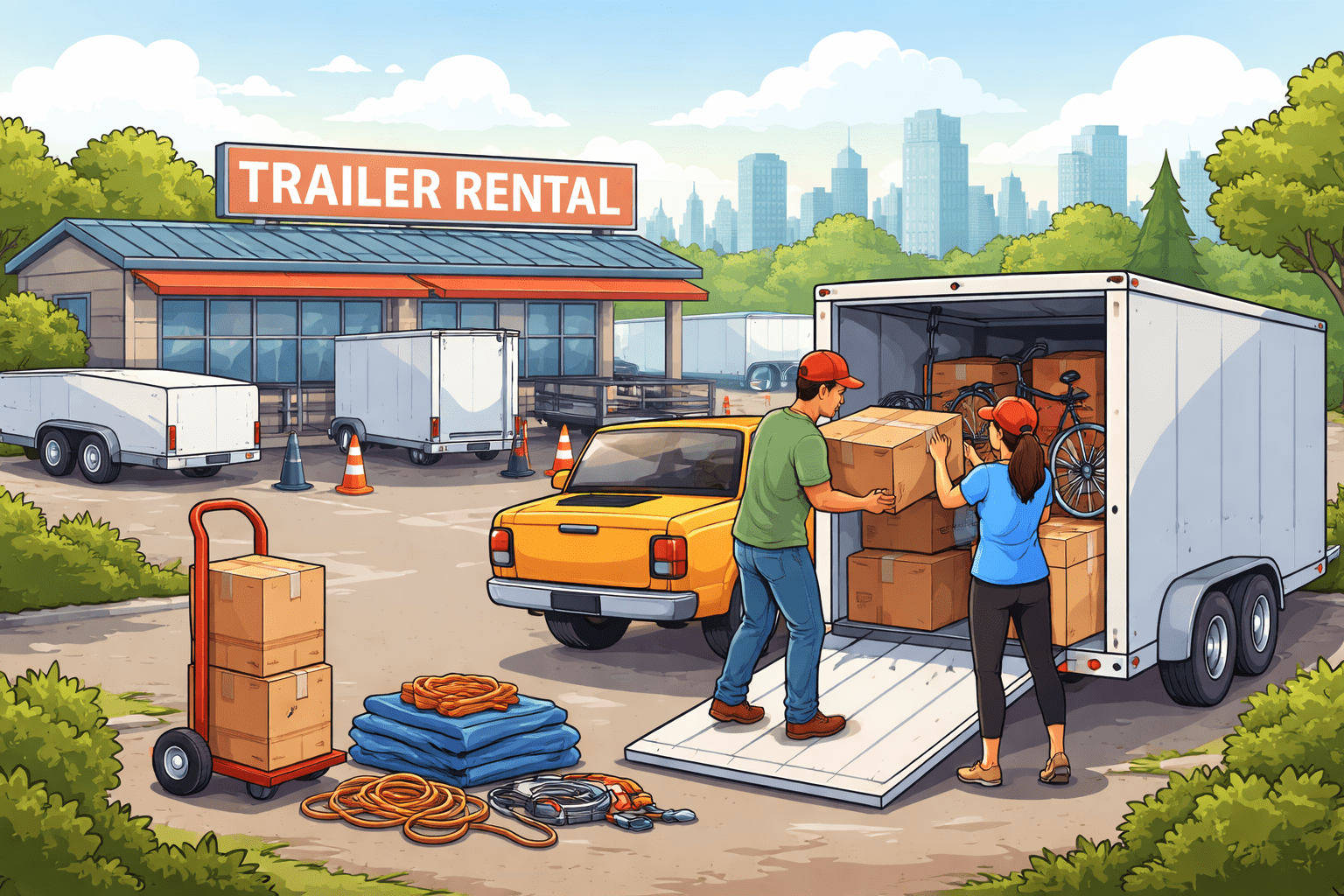

Trailer rentals are one of the most practical solutions for moving, hauling oversized items, or handling short-term transport needs. Whether you’re relocating locally, moving across state lines, or transporting large equipment, renting a trailer offers flexibility without the long-term costs of ownership.
Still, trailer rental expenses can rise faster than expected. Base rates are only part of the equation. Mileage, insurance, timing, and add-ons all influence the final price. Without a clear plan, renters often pay more than necessary.
The good news is that saving money doesn’t require compromising safety or reliability. With smart planning and informed decisions, you can significantly reduce costs while still getting dependable service. Below are ten proven strategies to help you save on trailer rentals without cutting corners.
Before focusing on savings strategies, it’s important to understand how trailer rental pricing works. Many renters only look at the advertised daily rate, but that figure rarely reflects the final cost.
Most rentals include a base fee, with additional charges for mileage, insurance coverage, cleaning, late returns, or equipment add-ons. Pricing can also change based on demand, seasonality, and rental duration.
When budgeting, it’s helpful to compare hauling options alongside other moving solutions, such as moving containers, which may offer a more predictable cost structure for certain types of moves.
Understanding these cost components upfront helps you make better decisions and avoid unnecessary expenses later.
One of the most reliable ways to save money is simply booking early.
Reserving a trailer in advance often results in lower rates and better availability. During peak moving seasons or weekends, last-minute rentals tend to be more expensive and limited in selection.
Planning ahead also allows you to compare providers and explore alternatives like local movers if your move requires additional support. Early planning puts you in control, rather than forcing you to accept higher-priced options under time pressure.
Trailer size directly impacts both cost and efficiency. Renting a trailer that’s too large means paying for unused space and hauling unnecessary weight. Renting one that’s too small can result in multiple trips, increased fuel expenses, and wasted time.
Take time to estimate the size and weight of your load accurately. Measure large items and consider stacking and packing strategies.
For larger relocations, especially across state lines, comparing your trailer rental against services like interstate companies can help determine which option delivers the best overall value.
Not all trailer rental providers price their services the same way. Even when trailers appear similar, differences in mileage limits, insurance policies, and fees can significantly affect the total cost.
Comparing options allows you to identify the most cost-effective provider based on your specific needs. Reviews and customer feedback often reveal hidden costs or service issues that aren’t obvious upfront.
Many rental companies offer promotions that renters overlook. Online-only pricing, weekday discounts, or extended rental deals can all reduce your total cost.
Before booking, check for current offers and pricing incentives. Taking a few minutes to compare online rates can make a noticeable difference, particularly for longer rentals.
If you’re still budgeting and weighing options, requesting a free quote can help clarify total costs and identify potential savings opportunities early.
Unexpected fees are one of the biggest reasons trailer rentals exceed budget. Late return penalties, excess mileage charges, and cleaning fees are common cost traps.
To avoid them, confirm return deadlines, mileage limits, and condition requirements before pickup. Build buffer time into your schedule in case of traffic or delays.
Clear communication and careful planning help ensure your final bill stays aligned with the original agreement.
Rental companies often charge extra for moving equipment such as dollies, straps, and blankets. While convenient, these add-ons can significantly increase your total cost.
If you already own reliable equipment, using it can help reduce expenses without affecting safety. Just make sure everything is in good condition and appropriate for your load.
Efficient packing plays a major role in reducing rental costs. Poor packing wastes space, increases risk of damage, and may require additional trips.
Distribute weight evenly, secure items properly, and use vertical space whenever possible. A well-packed trailer allows you to complete the move in one trip, saving fuel, time, and mileage charges.
When packing becomes complex or time-consuming, some renters explore moving containers as a way to simplify loading while keeping costs predictable.
Trailer rental pricing is heavily influenced by demand. Weekends, holidays, and peak moving months often come with higher rates and limited availability.
If your schedule is flexible, renting during weekdays or slower seasons can result in significant savings. Off-peak rentals also provide more trailer options and fewer scheduling constraints.
For long-distance moves during busy seasons, comparing trailer rentals with interstate companies can sometimes reveal cost advantages when demand is high.
Insurance is essential, but it’s also an area where renters often overpay. Many people automatically add rental insurance without checking existing coverage.
Your personal auto insurance or credit card benefits may already include trailer protection. Reviewing these policies ahead of time can prevent unnecessary add-ons.
If additional coverage is required, choose only what aligns with your actual risk to keep costs under control.
A thorough inspection before leaving the rental location can prevent disputes and unexpected charges later.
Check for visible damage, tire condition, lights, brakes, and hitch connections. Take photos and report any issues immediately.
This simple step protects you from being charged for pre-existing damage and ensures a safer, smoother rental experience.
Saving money on trailer rentals comes down to preparation, awareness, and smart decision-making. Booking early, choosing the right size, avoiding unnecessary add-ons, and paying attention to timing all make a measurable difference.
With the right approach, trailer rentals remain an affordable, flexible option for moving and hauling—without unwanted surprises at checkout.
