
Moving Containers
Recommendation
Moving Container Reviews
Recommendation
Truck Rentals Reviews
Storage Recommendations
Storage Review
Junk Removal Recommendations
Junk Removal Reviews
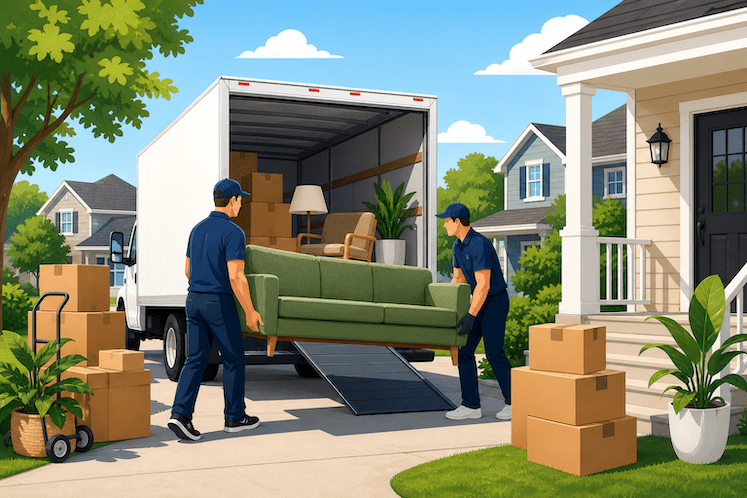

Moving across town may sound simple, but anyone who has packed a full home knows how quickly the details add up. Between sorting belongings, protecting furniture, arranging transportation, and managing moving-day timing, a local move can still feel overwhelming without the right help.
That is where local movers make a real difference. Professional local moving companies help homeowners, renters, and businesses relocate safely, efficiently, and with far less stress. They understand short-distance moving logistics, neighborhood access, traffic patterns, building rules, and the physical work required to move heavy items without damage.
Choosing the right local movers is not only about finding someone with a truck. It is about hiring a dependable moving team that communicates clearly, protects your belongings, offers fair pricing, and understands what it takes to keep moving day organized from start to finish.
Local movers specialize in relocations within the same city, nearby neighborhoods, or surrounding areas. While the distance may be shorter than a long-distance move, the work still requires planning, coordination, and experience.
A reliable local moving company can handle the heavy lifting, protect fragile items, load the truck properly, and transport everything efficiently. This helps reduce the risk of injuries, damaged furniture, broken boxes, and last-minute moving-day confusion.
Local movers also bring structure to a process that can easily become chaotic. Instead of trying to manage friends, rental trucks, packing supplies, and multiple trips, you have a trained team following a clear plan.
Local movers provide more than transportation. Their job is to move your belongings from one place to another safely, but the best companies also help with the details that make the move smoother.
Depending on the company and package you choose, local movers may help with packing, furniture protection, loading, transportation, unloading, placement, and unpacking. Some also offer specialty services for bulky, fragile, or high-value items.
The level of service can vary, so it is important to understand what is included before booking. A basic local move may only cover loading, driving, and unloading, while a full-service move may include packing materials, packing labor, furniture disassembly, and setup at your new location.
Hiring professional local movers can save time, reduce physical strain, and help protect your belongings. For many people, the biggest benefit is peace of mind.
Instead of spending moving day carrying couches down stairs or figuring out how to fit everything into a truck, you can focus on the transition itself. That may mean coordinating keys, cleaning your old place, helping family members adjust, or getting settled into your new home.
Professional movers know how to work quickly without being careless. They use the right tools, lifting techniques, and loading methods to move items efficiently.
This is especially helpful if you live in an apartment building, townhouse, condo, or property with narrow hallways, stairs, elevators, or limited parking. Experienced movers can plan around these obstacles and keep the move moving forward.
They also know how to load a truck properly. Good loading protects furniture, prevents boxes from shifting, and reduces the chances of damage during transit.
One major advantage of hiring local movers is their familiarity with nearby streets, neighborhoods, and access points. They may already know common traffic issues, parking limitations, building restrictions, and the best routes between areas.
That local knowledge matters. A mover who understands your city can plan a more efficient route, avoid unnecessary delays, and anticipate challenges before they become problems.
For example, moving into a downtown apartment may require elevator reservations, loading-zone access, or careful timing. A local moving team is more likely to understand those requirements and adjust accordingly.
Moving heavy furniture is harder than it looks. Lifting incorrectly can lead to back strain, pulled muscles, falls, or damaged walls and flooring.
Local movers are trained to move heavy and awkward items safely. They use dollies, straps, moving blankets, ramps, and teamwork to reduce risk.
This is especially valuable for items like sofas, dressers, mattresses, appliances, desks, and dining tables. Even if you are only moving a short distance, the physical work can be demanding.
Professional movers know how to wrap, pad, stack, and secure items properly. This can make a major difference for furniture, electronics, glassware, artwork, and fragile household goods.
While accidents can still happen, experienced movers are usually better equipped to prevent common moving damage. They also have processes for handling claims if something goes wrong, which is another reason licensing and insurance matter.
Many people compare hiring movers with doing everything themselves. At first, a do-it-yourself move may look cheaper, but the true cost can be higher than expected.
Truck rentals, fuel, packing supplies, equipment rentals, time off work, food for helpers, and potential damage can all add up. There is also the physical strain and stress of managing the move yourself.
For smaller moves, DIY can make sense. However, once you factor in stairs, heavy furniture, multiple rooms, fragile items, or limited time, professional movers often provide better overall value. This is especially true when comparing the full cost of handling a move entirely on your own with rental equipment and personal labor against hiring trained local movers.
The best choice depends on your budget, timeline, home size, and comfort level. Still, for many households, local movers are worth it because they reduce risk and save valuable time.
Local movers often provide flexible service options. Understanding these services can help you choose the right package for your move.
Packing is one of the most time-consuming parts of moving. Some local movers offer partial or full packing services to help protect your belongings and speed up the process.
Full packing means the movers pack most or all of your items. Partial packing may focus only on fragile items, kitchens, artwork, electronics, or specific rooms.
Unpacking services can also help after the move. Instead of living with boxes for weeks, you can have movers place items where they belong and remove packing materials.
Loading and unloading are core moving services. Movers carry items out of your current home, load them into the truck, transport them, and unload them at the new location.
This service is useful even if you pack everything yourself. It saves you from the most physically demanding part of the move and helps protect furniture, walls, doors, and floors.
Local movers provide the truck, driver, and transportation between locations. This eliminates the need to rent, drive, and return a moving truck yourself.
Transportation also includes proper securing of items inside the vehicle. A professional moving crew understands how to balance weight, stack boxes, and protect furniture during the ride.
Large furniture may need to be taken apart before it can fit through doorways, stairwells, or elevators. Many local movers can disassemble bed frames, tables, desks, and other furniture before the move.
At the new location, they may reassemble those items and place them in the correct rooms. This small service can save a lot of time and frustration.
Some moves include items that require extra care. These may include pianos, antiques, large mirrors, artwork, safes, gym equipment, or oversized furniture.
Not every local mover handles specialty items, so ask in advance. If you have anything unusually heavy, fragile, or valuable, mention it when requesting a quote.
Choosing local movers should involve more than picking the lowest price. The goal is to find a company that is reliable, transparent, experienced, and properly equipped for your specific move.
Start by comparing several companies. Look at reviews, services, credentials, pricing structure, and communication style. A company that answers questions clearly before booking is more likely to provide organized service on moving day.
Customer reviews can tell you a lot about a moving company. Look for patterns rather than focusing on one or two comments.
Consistent praise for punctuality, careful handling, clear communication, and fair pricing is a good sign. Repeated complaints about damaged items, surprise fees, late arrivals, or poor communication should raise concerns.
Check reviews across more than one platform when possible. This gives you a broader view of the company’s reputation.
Experience matters, especially if your move involves stairs, elevators, tight spaces, heavy furniture, or strict building rules.
Ask how long the company has been operating and whether they regularly handle moves like yours. A studio apartment move is different from a four-bedroom house, and a residential move is different from a small office relocation.
Experienced movers are better at spotting potential issues early. They can also give more accurate estimates because they understand how long different types of moves usually take.
A trustworthy moving company should be properly licensed and insured according to local or state requirements. This protects both you and the company.
Insurance is especially important because it explains what happens if an item is lost or damaged. Ask what level of coverage is included and whether additional valuation options are available.
Do not hesitate to request proof of credentials. Professional movers should be comfortable providing basic licensing and insurance information.
Local movers often charge by the hour, with rates based on the number of movers, truck size, and time required. Some may charge additional fees for stairs, long carries, packing supplies, fuel, or specialty items.
When requesting quotes, provide accurate details. Mention the number of rooms, large furniture pieces, stairs, elevator access, parking conditions, and distance between locations.
A quote is only useful if it reflects the actual move. Leaving out key details may lead to unexpected costs later.
Clear communication is one of the strongest signs of a good moving company. The company should explain pricing, availability, arrival windows, cancellation policies, and what is included.
Pay attention to how they respond before you book. If they are vague, rushed, or unwilling to answer basic questions, that may continue on moving day.
Good movers help you feel informed, not pressured.
Before choosing a moving company, ask direct questions that reveal how they operate. This helps you avoid confusion and compare companies fairly.
Ask whether the estimate is binding or non-binding. Ask how many movers will arrive, whether the truck is included, and how they handle delays.
You should also ask whether packing materials are included, how fragile items are protected, and what happens if something is damaged.
Other useful questions include:
What is your hourly rate, and what does it include?
Are there extra fees for stairs, elevators, long carries, or heavy items?
Do you offer packing or unpacking services?
Are you licensed and insured?
How do you handle claims for damaged belongings?
What is your cancellation or rescheduling policy?
These questions do not need to make the conversation difficult. A reputable mover will appreciate that you are trying to plan properly.
Even if you hire full-service local movers, preparation helps the day go more smoothly. A little organization before moving day can save time and reduce stress.
Start by decluttering. Moving items you no longer need wastes time, space, and money. Donate, sell, recycle, or discard unwanted belongings before packing begins.
Label boxes clearly by room and contents. This helps movers place boxes in the correct areas at your new home.
Keep essentials separate. Items like medications, chargers, documents, toiletries, keys, and a change of clothes should travel with you, not in the moving truck.
You should also reserve parking, confirm elevator access, and notify building management if needed. These details can prevent delays on moving day.
On moving day, the crew will usually arrive within the scheduled window and review the move details with you. They may walk through the home, confirm what needs to be moved, and identify fragile or heavy items.
Movers will protect furniture, load boxes and large items, and secure everything in the truck. Once they arrive at the new location, they will unload items and place them in the rooms you specify.
Stay available for questions, but avoid micromanaging. A professional moving crew works best when they have clear instructions and enough space to do their job.
Before the movers leave, do a final walkthrough. Check that major items are in the correct rooms and that nothing obvious is missing or damaged.
One common mistake is booking too late. Good local movers can fill their schedules quickly, especially near weekends, holidays, and the end of the month.
Another mistake is choosing based only on price. A very low quote may not include all fees or may reflect less experience. Cheap movers can become expensive if items are damaged or the move takes longer than expected.
Failing to read the estimate carefully is another issue. Make sure you understand what is included, what costs extra, and how billing works.
Finally, do not forget to prepare your home. Unpacked boxes, blocked pathways, and unclear instructions can slow the crew down and increase your final cost.
It is best to book local movers as early as possible, especially if you are moving on a weekend or near the end of the month. A few weeks of notice gives you more scheduling options.
For smaller moves, you may find availability sooner, but early booking still helps you avoid last-minute stress.
Many local movers charge hourly rates. The total cost usually depends on the number of movers, truck size, move complexity, travel time, and total hours worked.
Always ask what the hourly rate includes so you can compare quotes accurately.
If you did not book packing services, yes. Boxes should be packed, sealed, and labeled before the movers arrive.
Furniture and large items can usually be handled by the movers, but personal items, documents, valuables, and essentials should stay with you.
Yes, many local movers can move fragile items if they are packed and protected properly. For artwork, glass, antiques, or electronics, ask about special packing options.
Make sure fragile boxes are clearly labeled and pointed out to the crew.
It depends on your budget, schedule, and how much help you need. DIY moving can work for small, simple moves.
For larger homes, heavy furniture, stairs, tight timelines, or fragile belongings, hiring local movers often provides better protection, efficiency, and peace of mind.
Local movers can turn a stressful moving day into a more organized, manageable experience. They bring the equipment, experience, and local knowledge needed to move your belongings safely and efficiently.
The key is choosing carefully. Look for strong reviews, proper licensing, transparent pricing, clear communication, and services that match your needs.
A local move may be short in distance, but it still deserves thoughtful planning. With the right moving team, you can spend less time worrying about logistics and more time settling comfortably into your new space.
