
Moving Containers
Recommendation
Moving Container Reviews
Recommendation
Truck Rentals Reviews
Storage Recommendations
Storage Review
Junk Removal Recommendations
Junk Removal Reviews
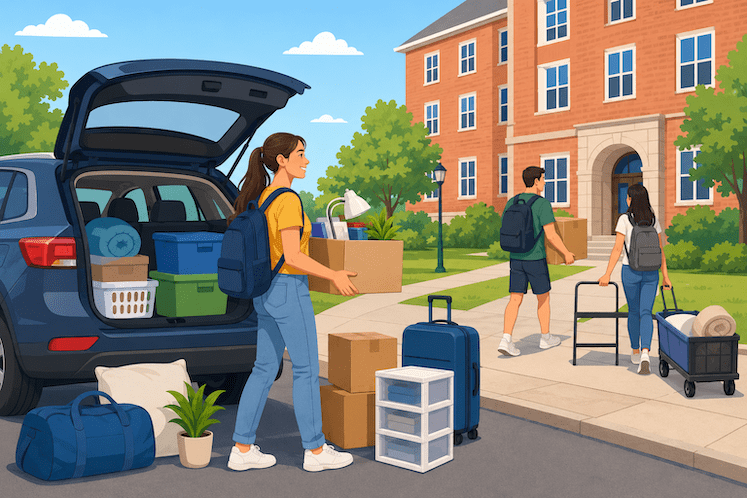

Starting college in another state is exciting, but the moving process can feel overwhelming fast. Between packing, travel planning, dorm essentials, transportation logistics, and budgeting, there’s a lot to manage before move-in day arrives.
For many students and parents, an out-of-state college move is the first major relocation they’ve ever handled. The good news is that with the right planning, the process becomes much easier, less stressful, and far more affordable.
This guide covers practical college student moving tips that actually help — from deciding what to bring to choosing the best transportation method for your belongings. Whether you’re moving into a dorm, apartment, or shared off-campus housing, these strategies can help you stay organized and avoid unnecessary expenses.
One of the biggest mistakes students make is waiting until the last few weeks before move-in day to start preparing.
An out-of-state move involves more than packing clothes into boxes. You may need to coordinate:
Starting early gives you time to compare costs, organize essentials, and avoid expensive last-minute decisions.
College moves can become surprisingly expensive, especially when traveling across multiple states.
Your moving budget should account for:
Many students underestimate small costs that add up quickly during relocation.
Creating a detailed checklist early can help you stay within budget and avoid overspending before classes even begin.
One of the smartest ways to reduce moving stress is bringing less.
Students often try to move everything from home into a dorm or apartment, only to realize they don’t have enough space for it all.
Before packing, divide your belongings into categories:
Large furniture, bulky decorations, and rarely used items usually aren’t worth transporting long distances.
If you’re moving into a furnished dorm, focus mainly on:
You can always buy inexpensive extras after arriving.
If you’re sharing a dorm or apartment, communication matters.
Reach out before move-in day to avoid bringing duplicate items like:
Splitting shared purchases saves money and helps maximize limited living space.
Not every student move requires a full-service moving company. The best option depends on:
For smaller college moves, many students compare services like shipping, portable storage, rental trucks, and professional movers.
Students relocating across multiple states often research the best interstate moving companies when transporting larger apartment setups or furniture collections.
For shorter relocations or nearby campus moves, some families prefer working with top local movers to simplify loading and unloading on move-in day.
Portable storage containers have become increasingly popular for college relocations because they offer flexibility without requiring students to drive large rental trucks long distances.
Many students use moving containers when:
Containers can also make summer storage easier if you plan to leave campus during breaks.
Efficient packing saves time, money, and frustration once you arrive at school.
Heavy oversized boxes become difficult to carry up stairs or through dorm hallways.
Smaller boxes are:
Label boxes by:
For example:
This makes unpacking dramatically easier after a long travel day.
Always pack a personal essentials bag with:
You don’t want to dig through boxes late at night searching for necessities.
For students flying to school, shipping boxes ahead can simplify travel significantly.
Many colleges allow packages to arrive before move-in day through campus mailrooms or housing offices.
Shipping works well for:
Just make sure you confirm delivery rules with your college beforehand.
Social media often creates unrealistic expectations about dorm life.
Many students spend hundreds of dollars on unnecessary items before even seeing their room.
Wait until you arrive before buying:
Seeing your actual space first helps avoid clutter and wasted money.
Moving away for college is a major life transition.
Even students excited about independence often experience:
That’s completely normal.
Creating familiarity in your new space can help ease the adjustment:
The moving process becomes easier once you settle into campus life.
Before moving, carefully review:
Some colleges prohibit:
Avoid bringing items that may not be allowed inside campus housing.
Many out-of-state students forget about what happens during:
Storage planning matters, especially if you can’t transport everything home.
Popular options include:
Planning ahead prevents expensive last-minute decisions later in the year.
Never pack critical paperwork inside moving boxes.
Keep these items with you:
Digital backups are also a smart idea.
Move-in weekends are extremely busy near college campuses.
Hotels, rental trucks, and storage units often book out weeks in advance.
If possible:
Small scheduling decisions can make move-in day much smoother.
For off-campus housing, don’t wait until arrival to arrange:
Delays can leave students without internet or power during the first week of classes.
College moves often involve carrying heavy items upstairs in crowded buildings.
To avoid injuries:
A rushed move can quickly lead to accidents or damaged belongings.
College expenses add up fast, so reducing moving costs can help preserve your budget for tuition, books, and living expenses.
Simple ways to save include:
Being strategic with spending makes a major difference during the first semester.
No college move goes perfectly.
There may be:
Flexibility helps reduce stress when things don’t go exactly as planned.
The goal isn’t a perfect move — it’s creating a smooth transition into your new environment.
Once you arrive, focus on functionality first.
Prioritize:
You don’t need everything perfectly decorated immediately.
Giving yourself time to settle in naturally makes the adjustment process easier and less overwhelming.
Planning your college move early can save money, reduce stress, and help you avoid common relocation mistakes.
Ideally, students should begin planning at least two to three months before move-in day to secure transportation, housing details, and affordable moving options.
The most affordable option usually depends on how much you’re bringing. Shipping boxes, using moving containers, or splitting costs with roommates often helps reduce expenses.
For dorm living, large furniture is usually unnecessary. Most dorms already provide basic furnishings like beds, desks, and dressers.
Students commonly use:
Many colleges also offer mailroom support for incoming packages.
Important items like medications, chargers, documents, toiletries, and a few days of clothing should stay in a personal essentials bag.
Yes. Moving containers work especially well for apartment relocations, temporary storage, and flexible move-in schedules.
