
Moving Containers
Recommendation
Moving Container Reviews
Recommendation
Truck Rentals Reviews
Storage Recommendations
Storage Review
Junk Removal Recommendations
Junk Removal Reviews
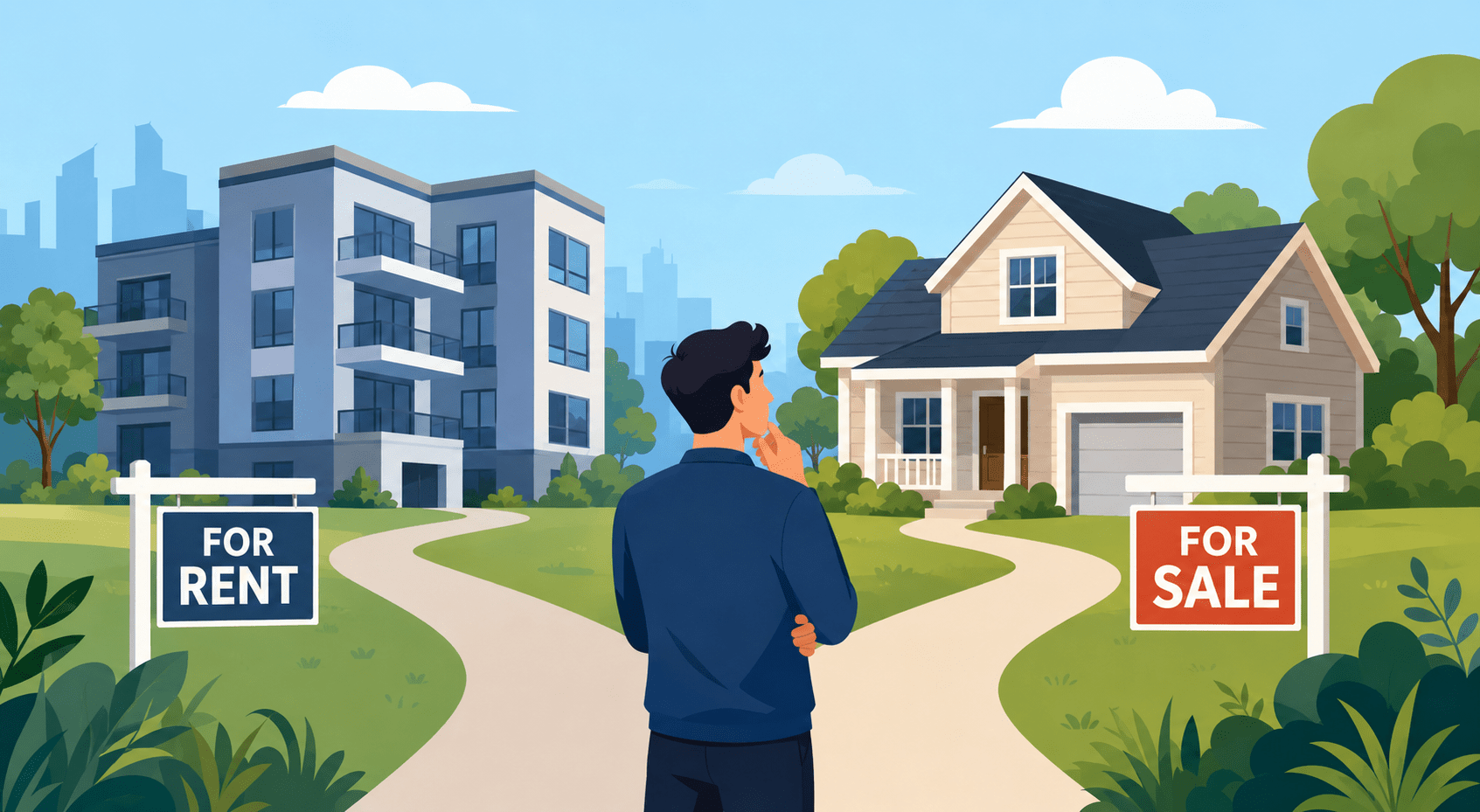

Relocating to a new city comes with a long list of decisions, but one of the biggest is whether you should rent or buy a home after the move. For many people, the answer is not always obvious. Buying can feel like a smart long-term investment, while renting offers flexibility and lower upfront costs.
The right choice depends on your finances, career plans, lifestyle goals, and how familiar you are with the new area. Whether you are moving for work, family, retirement, or simply a fresh start, understanding the pros and cons of each option can help you avoid costly mistakes.
This guide breaks down what you should consider before deciding to rent or buy after relocating within the United States.
When you relocate, you are not just changing homes. You are adjusting to a new environment, new expenses, different neighborhoods, and possibly a completely different cost of living.
Buying too quickly in an unfamiliar city can lead to regret if the area does not fit your lifestyle or commute needs. On the other hand, renting for too long could delay building equity and long-term financial stability.
Your decision should support both your short-term transition and your long-term goals.
For many movers, renting first is the safest and most practical option.
One of the biggest advantages of renting is flexibility. If you are unfamiliar with the city, renting gives you time to learn which neighborhoods fit your lifestyle, budget, and commute.
You may discover that the area you originally liked is not ideal after living there for a few months. Renting allows you to make changes without the pressure of selling a home.
Buying a home usually requires a down payment, closing costs, inspections, and other fees. Renting typically only requires a security deposit and first month’s rent.
This can be especially helpful after a relocation when moving expenses, travel costs, and utility setup fees have already added up.
If you are still managing moving logistics, researching trusted interstate relocation companies can also help reduce unexpected moving costs during the transition.
Renters generally do not have to worry about major repairs, landscaping, or home maintenance expenses.
After a long-distance move, many people prefer having fewer responsibilities while settling into a new city and adjusting to work, schools, or local routines.
If you may relocate again within a few years, renting often makes more financial sense.
Buying and selling homes involves transaction costs that can take years to recover. If your job situation, income, or future plans are uncertain, renting provides more flexibility without locking you into a long-term commitment.
Although renting offers convenience, it also comes with limitations.
Monthly rent payments do not build ownership or long-term wealth. While renting can provide short-term freedom, you are not investing in a property that may increase in value over time.
Renters usually face restrictions on renovations, pets, decorating, and lease terms. Landlords can also increase rent prices or decide not to renew leases.
In many U.S. cities, rental prices continue to rise. Over several years, renters may end up paying more monthly than they would with a fixed mortgage payment.
Buying a home after relocating can be a strong financial move if you are ready for long-term stability.
One of the biggest benefits of homeownership is building equity over time. Instead of paying rent to a landlord, your mortgage payments contribute toward ownership.
If home values rise, you may also benefit from appreciation.
Owning a home offers more consistency. You are not subject to lease renewals or unexpected rent increases.
This stability can be especially valuable for families, remote workers, or anyone planning to stay in the area for several years.
Homeowners have the freedom to renovate, decorate, and personalize their property.
This can help create a stronger sense of comfort and belonging after moving to a new city.
Depending on your situation, homeowners may qualify for tax deductions related to mortgage interest and property taxes.
It is always best to consult with a tax professional to understand how homeownership may affect your finances.
Buying immediately after moving is not always the best strategy.
Online research only tells part of the story. A neighborhood may look ideal on paper but feel completely different once you live there.
Traffic patterns, noise levels, local amenities, and community atmosphere are easier to understand after spending time in the area.
Owning a home involves more than just a mortgage payment. Buyers also need to budget for:
Unexpected repairs can quickly become expensive.
Housing markets fluctuate. Buying during a high market cycle could limit short-term resale value if prices decline later.
If you are unsure how long you will stay in the area, market shifts can become a financial risk.
Before choosing between renting or buying, ask yourself the following questions.
If you expect to stay for less than three to five years, renting may be the smarter option.
Longer stays often make buying more financially worthwhile because you have more time to recover transaction costs and build equity.
Relocating for a new job can be exciting, but it may also involve uncertainty.
If your position, salary, or work setup could change soon, renting first may reduce financial pressure.
Housing prices vary significantly across the U.S.
Research local trends, property taxes, insurance rates, and average home values before making a decision.
Buying a home requires financial readiness beyond the down payment.
Experts generally recommend having:
If your finances are still recovering from moving expenses, renting temporarily may provide breathing room.
Many relocation experts recommend renting first before purchasing a home.
This approach allows you to:
Even renting for six months to a year can provide valuable insight before committing to a purchase.
Relocation expenses can significantly impact your housing budget.
Long-distance moving costs, deposits, transportation fees, and temporary lodging expenses can reduce available savings for a down payment.
Some people also choose portable storage solutions during the transition period. Comparing moving container can help simplify flexible moving timelines while reducing stress.
Renting may be the better choice if:
Buying may make more sense if:
Visit different parts of the city at various times of day. Pay attention to traffic, safety, nearby businesses, and overall atmosphere.
Relocating can feel overwhelming, and some buyers rush into purchases seeking stability.
Take time to evaluate finances and long-term goals before committing.
Compare:
A mortgage is not always cheaper than renting once all expenses are included.
Your decision should support your lifestyle and finances over the next several years, not just your immediate situation after moving.
There is no universal answer to whether renting or buying is better after relocating. The right choice depends on your finances, future plans, comfort level, and familiarity with the new area.
For many people, renting first provides flexibility and reduces risk during a major life transition. Others may benefit from buying right away if they are financially prepared and committed to staying long term.
The key is making a decision based on realistic expectations rather than pressure or urgency. Taking time to understand your new city and evaluate your options carefully can help you feel more confident about your next move.
If you are preparing for a relocation and want help planning the moving process, you can always request a personalized moving estimate finalizing your timeline and budget.
In many cases, yes. Renting first gives you time to learn the area, understand local housing prices, and avoid rushing into a major financial decision.
Many people rent for six months to one year after relocating. This allows enough time to explore neighborhoods and stabilize finances.
It can. Lenders may review job stability, income history, and debt levels carefully after a move, especially if you recently changed employers.
Not always. While mortgage payments may sometimes be lower than rent, homeowners also pay for taxes, insurance, repairs, and maintenance.
If another move is possible within a few years, renting usually provides more flexibility and reduces financial risk.
Remote workers may benefit from renting first to ensure they truly enjoy the city and lifestyle before purchasing a home.
