
Moving Containers
Recommendation
Moving Container Reviews
Recommendation
Truck Rentals Reviews
Storage Recommendations
Storage Review
Junk Removal Recommendations
Junk Removal Reviews
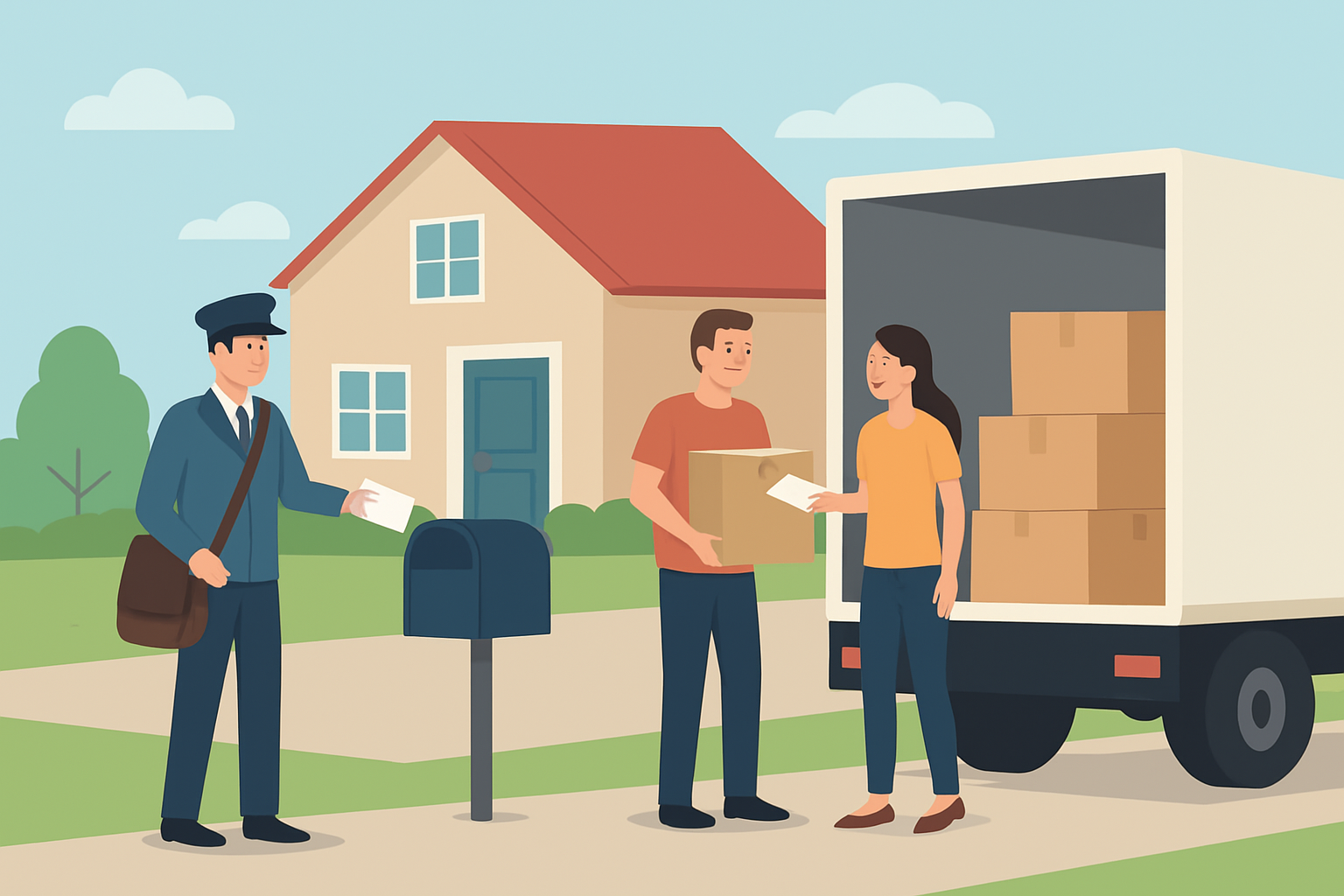

Handling an interstate relocation requires more than packing boxes and planning routes. One essential task that often gets pushed aside is organizing your mail forwarding. When you’re moving to another state, your mail carries financial information, legal documents, medical updates, and personal messages that you can’t afford to lose. Making sure everything follows you to your new home helps you stay organized throughout the transition.
As you coordinate your move, your mail becomes part of the bigger picture—right alongside transportation arrangements, storage decisions, timelines, and budgeting. With the right approach, forwarding your mail can be one of the simplest steps in your entire relocation.
Mail forwarding plays a vital role in keeping your personal and professional life uninterrupted during a move. Important documents often arrive when you least expect them, and losing even a single piece during relocation can create unnecessary problems.
People preparing for an interstate move often pay close attention to reliable movers, and many look at qualities that define best interstate services While those details streamline the physical part of your move, setting up your mail forwarding ensures your important paperwork moves with you.
Begin preparing your forwarding plan two to three weeks before your move. This gives you enough time to update information, notify necessary contacts, and avoid delays. During this early stage, many people also work out logistical needs involving moving storage, often referenced naturally through
moving storage. Planning both your physical and administrative tasks at once keeps everything aligned.
Create a list of everyone who regularly sends you mail. This usually includes:
Updating these accounts directly reduces your reliance on forwarding and makes your relocation smoother.
You can complete the USPS Change of Address (COA) request either online or at your local post office. The process is quick and typically activates within a week. Make sure you have your old address, new address, and your chosen forwarding start date ready.
USPS offers both temporary and long-term forwarding options. If you’re still coordinating schedules, housing arrangements, or budgeting—something many people refine while reviewing moving costs —choose the forwarding duration that aligns with your timeline.
If you’re staying in temporary housing or moving in stages, Premium Forwarding Services may provide more control by consolidating your mail and sending it in weekly shipments.
Even though mail forwarding is helpful, updating your address directly is far more reliable. Doing this early prevents delays and ensures your services remain active.
Banks, credit cards, loan providers, and investment accounts should be updated first. These send time-sensitive and confidential documents.
Your health, home, auto, and life insurance policies all require current address information. Updating them ensures proper communication, billing, and coverage.
Update your:
Subscriptions, shopping accounts, and deliveries should also be updated immediately to avoid package confusion.
Online orders and parcel deliveries need extra attention during relocation. Update your shipping addresses before placing new orders, and consider holding or redirecting packages if you’re not yet settled in your new home.
Those who relocate while participating in events, exhibitions, or vehicle transport sometimes coordinate schedules with specialized moving containers. These setups can help stabilize deliveries while you’re in transition.
Store your old address, new address, account numbers, login details, and confirmation emails in one digital folder. This makes updates quick and reduces the chance of mistakes.
Inform friends, family, employers, and clients who regularly mail items. Personal notifications often prevent delays when forwarding is still processing.
During the initial weeks, keep an eye on the mail arriving at your new location. This helps you identify which accounts still need your updated address.
If a bill or document seems late, log into the corresponding account to confirm the updated address.
Whenever possible, opt for paperless notifications to reduce reliance on physical mail.
Even if you update everything promptly, stray mail can still show up at your old address. A full year of forwarding ensures full coverage.
Mail forwarding becomes even more important when you’re navigating new routines, long drives, or a significant lifestyle change. People adjusting to a new address, especially those experiencing the unique rhythm of moving alone benefit from the peace of mind that comes with consistent mail delivery.
With proper planning, updated records, and a clear system in place, your mail can be one of the easiest parts of your interstate relocation.
