
Moving Containers
Recommendation
Moving Container Reviews
Recommendation
Truck Rentals Reviews
Storage Recommendations
Storage Review
Junk Removal Recommendations
Junk Removal Reviews
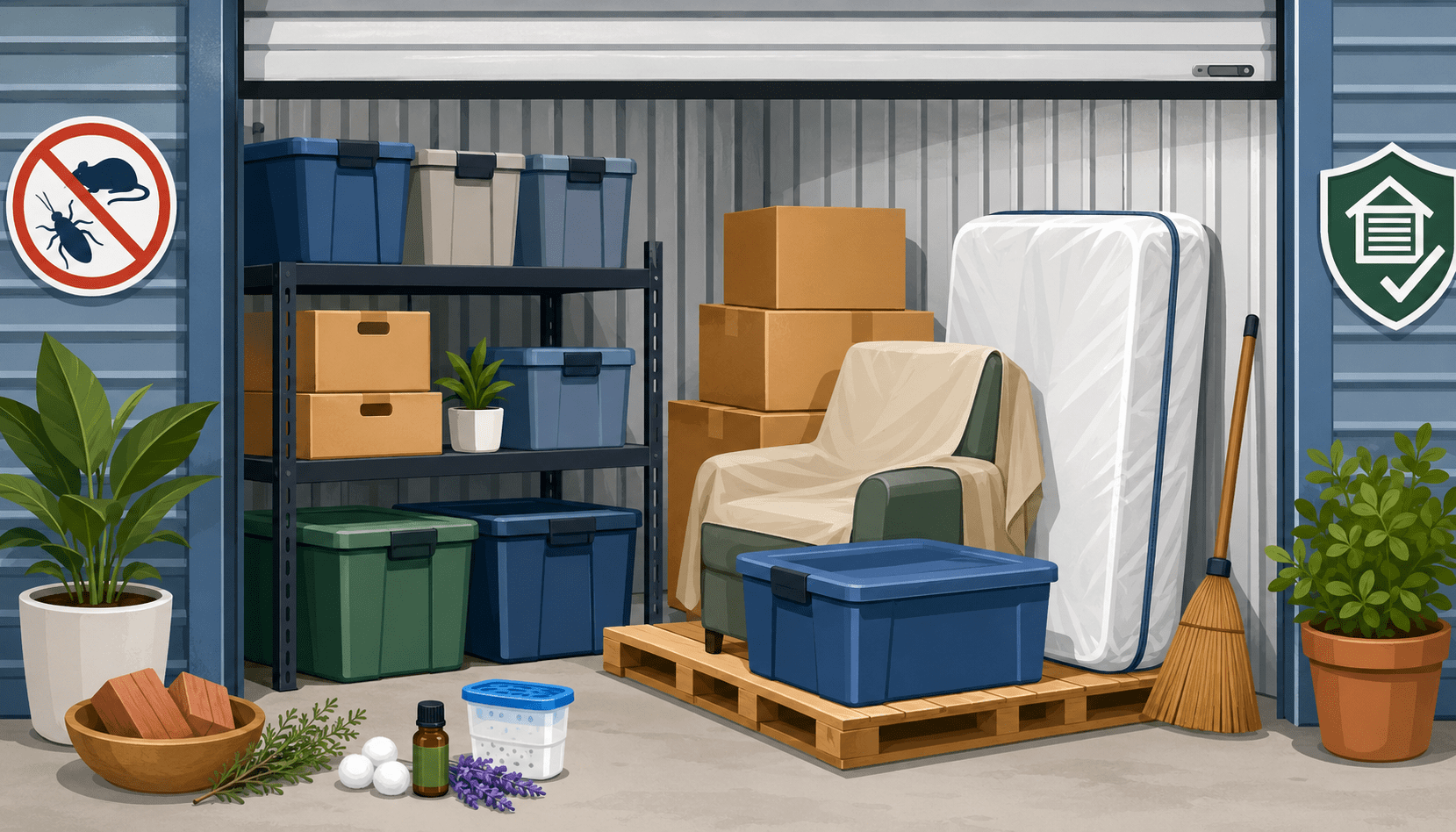

Keeping pests out of a storage unit is one of the biggest concerns for anyone storing furniture, clothing, electronics, or household items long term. Rodents, insects, and moisture-related pests can quickly damage valuable belongings if the unit is not packed and maintained properly.
The good news is that preventing infestations is usually much easier than dealing with one after it starts. With the right packing methods, proper storage habits, and a clean facility, you can dramatically reduce the risk of mice, bugs, and other unwanted pests entering your storage space.
Whether you are storing items during a move, renovation, downsizing project, or seasonal transition, these practical pest prevention tips can help keep your belongings clean, protected, and in excellent condition.
One of the most effective ways to prevent rodents and insects from reaching your belongings is by using airtight plastic containers.
Plastic bins with locking lids create a stronger barrier against pests compared to traditional cardboard boxes. They also offer better protection against humidity, dust, and accidental spills.
This is especially important for storing:
Clothing
Bedding
Towels
Paper documents
Fabric items
Seasonal decorations
Cardboard boxes can easily develop openings, especially after months in storage. Small gaps can allow insects to crawl inside, while rodents may chew through weakened cardboard over time.
If you still prefer using boxes, use new, heavy-duty moving boxes instead of recycled grocery or restaurant boxes. Previously used food boxes may carry odors or residue that attract pests.
For extra protection during long-term storage, many people combine sealed containers with organized stacking methods similar to those used when storing furniture safely during a move.
Food is one of the fastest ways to attract rodents, ants, cockroaches, and other pests.
Even small crumbs or sealed pantry items can draw unwanted insects into a unit. Many infestations begin because food was accidentally packed inside kitchen containers, drawers, or furniture.
Before placing items into storage:
Clean kitchen appliances thoroughly
Vacuum furniture cushions
Remove crumbs from cabinets
Wash reusable containers
Inspect pots, pans, and pantry organizers
Avoid storing:
Canned goods
Pet food
Spices
Snacks
Flour or grains
Open beverages
Even if food seems sealed, pests are highly sensitive to odors and can often detect hidden food sources.
You should also avoid eating inside your storage unit. Food wrappers, spills, and lingering smells can remain long after you leave.
Many people place boxes directly on the floor of a storage unit, but elevating items slightly can provide extra protection against both pests and moisture.
Using shelving systems, pallets, or risers helps:
Improve airflow
Reduce moisture exposure
Make inspections easier
Prevent direct contact with insects
Even though rodents can climb, lifting items off the floor makes the environment less inviting and reduces the number of easy hiding places.
This step also helps protect furniture and boxes from accidental water intrusion during storms or humidity fluctuations.
If you are storing larger household items during relocation, combining elevation with proper wrapping techniques can make a major difference in long-term protection, especially when securing furniture properly while moving.
You do not always need harsh chemicals or poison traps to keep pests away from your storage unit.
Natural deterrents can help discourage rodents and insects without exposing your belongings to strong chemical odors.
Popular natural pest prevention options include:
Cedar blocks
Peppermint oil
Lavender oil
Clove oil
Moisture absorbers
Some effective methods include:
Placing cedar blocks in bowls or shelves
Using cotton balls soaked in peppermint oil
Keeping the unit clean and dust-free
Controlling humidity and moisture buildup
Products like DampRid can also help reduce odors and moisture that may attract pests.
However, avoid overusing strong-smelling repellents like mothballs. While commonly used, they can leave lingering odors on furniture, mattresses, and clothing.
Before applying any chemical treatments, check with your storage facility first. Many professionally managed facilities already maintain scheduled pest control programs.
Mattresses and fabric-covered furniture are common hiding places for bed bugs and insects.
Before storing these items, inspect them carefully for any signs of infestation. Then cover them with protective materials designed specifically for storage.
For mattresses:
Use sealed mattress storage covers
Ensure the mattress is completely dry
Avoid storing directly against walls
For upholstered furniture:
Use breathable fabric covers
Avoid wrapping tightly in plastic
Leave room for airflow
Plastic wrapping can sometimes trap moisture underneath, leading to mold or mildew growth over time.
Breathable coverings help balance protection while still allowing airflow. This is especially important for long-term storage.
A cluttered storage unit creates ideal hiding places for insects and rodents.
Keeping the unit organized makes it easier to inspect and maintain over time.
Try these organization tips:
Avoid stacking everything wall-to-wall. Small walkways allow airflow and make inspections easier.
Clearly labeled containers help you locate items quickly without unnecessary unpacking.
Reducing unnecessary movement inside the unit helps minimize disturbance and accidental messes.
Overcrowded units restrict airflow and create dark spaces where pests thrive.
An organized unit is easier to monitor and less likely to develop unnoticed infestations.
Many people lock their unit and do not return for months. Unfortunately, this allows small pest problems to grow unnoticed.
Checking your unit regularly helps identify issues before they become severe.
Try to inspect your storage space every one to two months.
During inspections, look for:
Rodent droppings
Chewed materials
Holes in boxes
Insect activity
Musty odors
Moisture buildup
If you notice warning signs, report them to facility management immediately.
Fast action can prevent damage from spreading to other belongings.
The quality of the storage facility itself plays a major role in pest prevention.
Even the best packing methods may not fully protect belongings if the facility is poorly maintained.
Before renting a unit, inspect the property carefully.
Look for these signs of proper maintenance:
Overgrown grass and unmanaged vegetation can attract rodents and insects.
Check for gaps, cracks, or damaged seals around doors.
A clean facility usually reflects better overall management.
Ask whether the facility uses professional pest management services regularly.
Overflowing dumpsters or neglected waste areas can increase pest activity nearby.
Choosing a professionally maintained facility can significantly lower the risk of infestations.
Moisture often attracts pests indirectly by creating conditions for mold, mildew, and decay.
High humidity can also weaken cardboard, damage fabrics, and create unpleasant odors.
To reduce moisture problems:
Use moisture absorbers
Avoid storing damp items
Choose climate-controlled storage when possible
Allow airflow between boxes
Clean items before storage
Climate-controlled units are especially beneficial for:
Electronics
Leather furniture
Documents
Photographs
Antiques
Upholstered items
Maintaining a dry environment helps discourage many common storage pests.
Even well-maintained storage facilities can occasionally experience pest issues.
That is why storage insurance matters.
Some policies cover pest-related damage, while others exclude rodents or insects entirely.
Before renting a unit:
Review your storage insurance policy
Confirm pest-related coverage
Create a detailed inventory list
Photograph valuable belongings
Maintaining accurate records makes claims easier if damage occurs.
Many renters assume the storage facility automatically covers losses, but that is not always the case.
Understanding your coverage ahead of time can help avoid unexpected costs later.
Preventing rodents and bugs in a storage unit usually comes down to preparation and consistency.
Simple habits like sealing containers, avoiding food storage, controlling moisture, and inspecting the unit regularly can dramatically reduce the risk of infestation.
The combination of proper packing and choosing a clean, professionally managed storage facility gives you the best chance of keeping your belongings safe long term.
Whether you are storing household furniture, seasonal decorations, business inventory, or personal keepsakes, taking proactive steps now can save you from expensive damage and major frustration later.
Use airtight plastic containers, avoid storing food, elevate boxes off the floor, and choose a clean storage facility with regular pest control services.
Climate-controlled units help reduce humidity and moisture buildup, which can discourage certain pests and protect sensitive belongings.
High-quality plastic bins with tight-sealing lids provide strong protection against most insects and rodents compared to cardboard boxes.
Mothballs may leave strong odors on furniture and clothing. Natural repellents like cedar blocks or peppermint oil are often safer alternatives.
Inspect your unit every one to two months to look for signs of pests, moisture, or damage.
Food, crumbs, clutter, moisture, and poorly sealed containers are common factors that attract rodents and insects.
