
Moving Containers
Recommendation
Moving Container Reviews
Recommendation
Truck Rentals Reviews
Storage Recommendations
Storage Review
Junk Removal Recommendations
Junk Removal Reviews
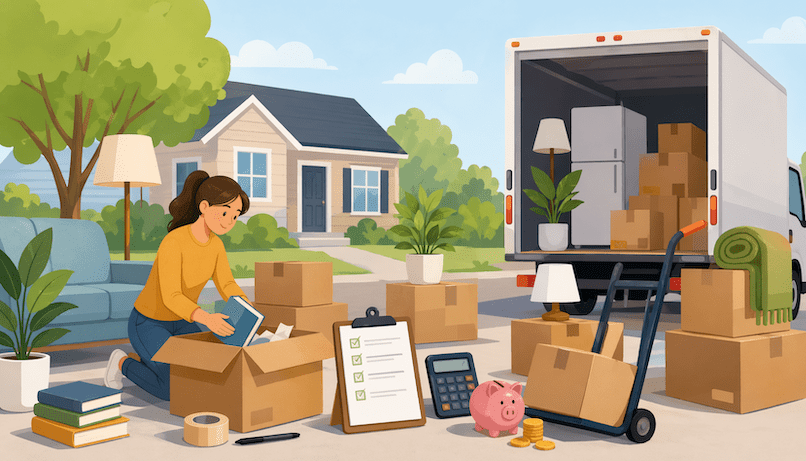

Moving into a new home can be exciting, but the cost of relocation can add up quickly if you do not plan carefully. Between packing materials, transportation, mover fees, utility changes, and last-minute purchases, even a simple move can become more expensive than expected.
The good news is that learning how to cut moving costs does not mean taking shortcuts that put your belongings at risk. It means planning smarter, reducing unnecessary expenses, comparing your options, and making practical decisions before moving day arrives.
Whether you are moving across town or preparing for a longer relocation, these cost-saving moving tips will help you stay organized, avoid surprise charges, and make your move easier on your budget.
A solid moving plan is one of the easiest ways to save money during a home relocation. The earlier you start, the more control you have over your schedule, packing, budget, and hiring decisions.
Begin by writing down every major task you need to complete before moving day. Include packing, decluttering, booking movers, transferring utilities, updating your address, gathering supplies, and preparing appliances.
When everything is listed in one place, it becomes easier to spot problems early. You are less likely to forget important tasks, rush into expensive decisions, or pay extra because something was handled at the last minute.
Planning ahead also gives you more time to compare movers, review estimates, and look for cheap ways to save money while moving without sacrificing safety or service quality.
A moving budget helps you understand where your money is going before the expenses start stacking up. Without one, it is easy to underestimate the total cost of moving.
Start with the biggest expenses first. These usually include mover fees, truck rental, packing supplies, storage, fuel, insurance, and travel costs. Then add smaller items such as cleaning supplies, utility deposits, meals, and replacement household goods.
It is also smart to include a small emergency fund. Even a well-planned move can come with unexpected costs, such as extra boxes, parking fees, elevator reservations, or last-minute packing help.
If you want a more structured approach, A step-by-step moving budget planning process can help you organize your expected expenses before moving day.
One of the most effective ways to reduce moving costs is to move fewer items. Movers often base pricing on weight, volume, labor time, distance, or a combination of these factors.
That means every unused chair, old appliance, extra box, and forgotten closet item can increase the final price.
Before packing, go room by room and separate your belongings into four groups: keep, sell, donate, and discard. Be honest about what you actually use. If something has been sitting untouched for years, it may not be worth paying to move.
Decluttering also makes unpacking easier. You arrive at your new home with fewer boxes, less clutter, and more space to organize the things you truly need.
Selling unwanted items can help offset part of your moving expenses. Furniture, electronics, appliances, tools, sports equipment, and décor may still have value if they are in good condition.
You can host a garage sale, list items online, or sell to people in your local community. Even small sales can add up and help cover packing supplies, gas, or cleaning costs.
A lighter move also saves time. Movers can load and unload faster, which may reduce labor charges if you are paying by the hour.
If you have enough items to sell, a garage sale that helps lighten your moving loadcan be a practical way to reduce clutter and earn extra cash before relocation.
Hiring movers may seem expensive at first, but the right company can save you time, effort, and potential damage costs. The key is to compare your options instead of booking the first company you find.
Request quotes from at least three movers. Look closely at what each estimate includes, such as packing, loading, transportation, unloading, insurance, and extra fees.
Do not choose based on the lowest price alone. A very low estimate may leave out important services or lead to added charges later. Instead, compare pricing, reviews, availability, service details, and professionalism.
Taking time to review reliable local movers with clear service option can help you find a company that fits your needs and budget.
A vague estimate can lead to surprise costs. Before hiring a mover, ask for a detailed written quote that breaks down the expected charges.
The estimate should explain labor costs, travel fees, packing services, supplies, heavy item charges, stair fees, storage costs, and any possible add-ons.
If something is unclear, ask before signing anything. A good moving company should be willing to explain how pricing works and what could increase the final bill.
You can also use a free moving quote request for comparing relocation costs to better understand your options before making a decision.
Timing can make a big difference in moving costs. Many people move on weekends, at the end of the month, or during peak moving season. Because demand is higher during these times, prices may also be higher.
If your schedule allows, consider moving on a weekday or in the middle of the month. Movers may have more availability, and you may have a better chance of getting a lower rate.
A flexible moving date can also reduce stress. You are less likely to compete with other customers for booking times, truck availability, elevators, or parking access.
Hidden fees can quickly turn an affordable move into an expensive one. Some charges may be reasonable, but they should never be a surprise.
Common extra fees may include long-carry charges, stair fees, elevator delays, fuel costs, bulky item handling, packing labor, storage, shuttle service, or fees for rescheduling.
Before you book, ask the mover what situations could increase the price. This gives you time to prepare and avoid preventable charges.
Large appliances can create extra costs if they are not ready when the movers arrive. Refrigerators, washers, dryers, air conditioners, and dishwashers may need cleaning, disconnecting, draining, or securing before transport.
For example, your refrigerator should be emptied, defrosted, cleaned, and dried before moving day. If it leaks during the move, it could damage boxes, floors, or nearby belongings.
If you know how to safely disconnect an appliance, doing it in advance may help reduce labor costs. However, if the appliance requires special tools or technical knowledge, it is safer to let a qualified professional handle it.
Packing services are convenient, but they can increase the total cost of your move. If you have time, packing some belongings yourself can help lower expenses.
Start with items you do not use daily, such as books, seasonal clothing, décor, linens, and extra kitchenware. Label every box clearly with the room name and a short description of what is inside.
Use sturdy boxes and avoid overpacking. Heavy boxes are harder to carry and more likely to break. For fragile items, use padding and fill empty spaces to prevent shifting.
You can still leave delicate, oversized, or high-value items to the movers if you are not comfortable packing them yourself.
Packing materials can cost more than expected, especially if you buy everything new. Fortunately, there are ways to reduce this expense.
Ask local stores, neighbors, friends, or community groups for clean used boxes. Use towels, blankets, clothing, and linens to cushion items you already own.
You can also reuse bins, suitcases, laundry baskets, and storage containers. These items are already coming with you, so using them for packing makes practical sense.
For items that need stronger protection, investing in quality affordable packing supplies for a safer move may help prevent damage and replacement costs.
Some items should never be placed on the moving truck. Important documents, jewelry, electronics, medication, personal records, cash, and irreplaceable items should stay with you.
Pack a small essentials bag for the first few days in your new home. Include clothing, toiletries, chargers, snacks, cleaning supplies, basic tools, important paperwork, and anything you need right away.
This prevents unnecessary spending after the move. You will not have to buy replacements simply because something important is packed deep inside a box.
Keeping essentials nearby also gives you peace of mind. Even if unloading takes longer than expected, you will have what you need.
Utility services are easy to forget during a move, but they can create unnecessary costs if not handled early. You may end up paying for electricity, water, internet, cable, or gas at a home you no longer occupy.
Contact each provider before moving day. Schedule shutoff dates for your old home and activation dates for your new one.
If a service can be transferred, confirm the transfer details in writing. If it cannot, cancel it properly and return any required equipment.
This includes electricity, water, gas, internet, cable, trash service, subscriptions, and other recurring home services.
Last-minute decisions are almost always more expensive. When you wait too long, you may have fewer mover options, limited truck availability, rushed packing, and higher service costs.
Start early whenever possible. Even if your moving date is not final, you can still declutter, gather supplies, research movers, and estimate your budget.
A rushed move often leads to paying for convenience. That might mean buying new boxes, hiring emergency help, accepting a higher quote, or replacing misplaced items.
The more time you give yourself, the easier it is to make careful financial decisions.
Damage during a move can be costly. Broken furniture, cracked electronics, and damaged appliances may cost far more to replace than properly protecting them in the first place.
Use the right packing materials for fragile items. Wrap glass, dishes, mirrors, and electronics carefully. Do not place heavy items on top of delicate boxes.
If you hire movers, ask about coverage options. Basic coverage may not fully replace damaged items, so it is worth understanding what protection is included.
Taking a little extra care during packing can prevent expensive problems later.
Doing part of the move yourself can save money, but it is important to know when professional help is worth it.
You may be able to handle packing, labeling, cleaning, decluttering, and small item transport on your own. These tasks take time, but they do not always require special equipment.
However, heavy furniture, large appliances, stairs, long-distance transport, and fragile valuables may be safer with trained movers.
The goal is not to do everything alone. The goal is to spend money where it protects your time, safety, and belongings.
The cheapest way to move is usually to declutter first, pack your own belongings, collect free or low-cost boxes, move during an off-peak time, and compare several moving quotes before booking.
Hiring movers can be worth it if you have heavy furniture, limited time, a long-distance move, or items that require careful handling. A good mover can reduce stress, prevent damage, and make moving day more efficient.
It is best to book movers as early as possible, especially if you are moving during a busy season, weekend, or end-of-month period. Early booking gives you more choices and better control over pricing.
Ask for a detailed written estimate, review the mover’s fee policy, confirm what services are included, and prepare your home before moving day. Clarify charges for stairs, long carries, packing, fuel, storage, and bulky items.
Yes, moving on a weekday may help reduce costs because demand is often lower. Mid-month moves can also be more affordable than end-of-month moves when many leases end.
Cutting moving costs is not about choosing the cheapest option every time. It is about planning ahead, reducing waste, comparing prices, and avoiding unnecessary expenses.
Start with a clear plan, build a realistic budget, declutter before packing, and choose movers carefully. Small decisions made early can lead to major savings by moving day.
With the right preparation, your relocation can feel more organized, less stressful, and much easier on your wallet.
