
Moving Containers
Recommendation
Moving Container Reviews
Recommendation
Truck Rentals Reviews
Storage Recommendations
Storage Review
Junk Removal Recommendations
Junk Removal Reviews
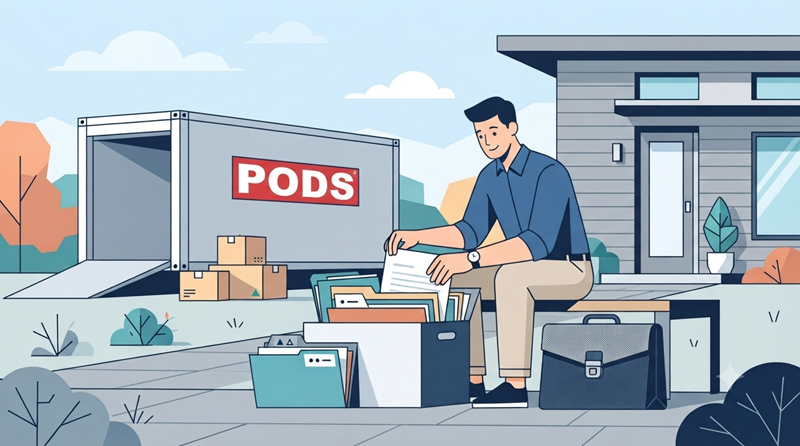

Moving to a new home involves more than packing furniture and arranging transportation. From lease agreements and identification records to insurance policies, financial paperwork, and moving contracts, keeping essential paperwork safe is an important part of a successful relocation. Understanding how a PODS-style container move works with your paperwork can help you protect sensitive information, stay organized, and avoid unnecessary delays.
A container-based moving service generally transports household belongings rather than managing personal paperwork separately. That means customers should understand which documents require special handling, what their moving agreement covers, and how to keep essential records accessible throughout the relocation.
The short answer is that PODS provides container-based moving and storage services, but customers remain responsible for managing their personal paperwork. According to the company’s official container and storage FAQs, passports, birth certificates, financial records, deeds, and other sensitive documents are not recommended for storage or transportation inside its containers.
This distinction matters because moving containers are designed for household belongings, not as a dedicated document-handling service. Proper planning helps protect confidential information and ensures essential paperwork remains available when needed.
A container-based relocation typically involves delivering a container to your property, allowing you to load your belongings, transporting the container, and delivering it to your destination or a storage facility. Personal paperwork does not receive a separate handling process simply because it is included in a household move.
Understanding this process makes moving documents easier to manage from the beginning.
No. Customers generally pack and organize their own belongings. The service transports the loaded container rather than reviewing, sorting, or individually processing paperwork.
Before packing, separate passports, identification cards, property deeds, tax returns, medical records, and financial statements from ordinary household items. These records should remain with you instead of being placed in the container.
Coverage depends on the applicable rental agreement and protection terms. PODS’ published Contents Protection information explains that certain losses may qualify for protection, subject to exclusions and limitations.
However, personal records and other sensitive items may be excluded. Never assume that moving documents are covered simply because a container protection option has been purchased. Review the actual agreement before deciding how to transport valuable paperwork.
Some records are difficult or time-consuming to replace. Keeping them accessible reduces stress when completing administrative tasks before, during, and after relocation.
Keep the following items in a secure folder or travel bag:
These records may be needed for travel, identity verification, or government appointments. Keeping moving documents within your personal possession also reduces the risk of losing access to them while the container is in transit.
Financial and legal records deserve special attention because they may contain confidential information or establish ownership rights.
Keep bank statements, tax returns, insurance policies, property deeds, wills, legal notices, and loan agreements in a secure location outside the container.
For additional guidance, read how to organize important documents when moving. A clear filing system makes it easier to locate paperwork without searching through multiple boxes.
Your relocation paperwork should remain accessible throughout the process. This includes rental agreements, payment receipts, delivery confirmations, inventory lists, and contact information for the service provider.
Create a dedicated folder for these records. Save digital copies of important agreements and keep a separate record of scheduled delivery and pickup dates.
A reliable preparation routine prevents last-minute confusion and helps protect paperwork from moisture, accidental disposal, or misplacement.
Start by dividing your records into three groups: documents needed immediately, records required occasionally, and paperwork that can be securely archived.
Identification, travel records, contracts, and current financial documents belong in the first group. Older tax records and completed agreements may belong in the archive category.
This simple approach makes moving documents easier to track and reduces the chance of placing essential records in a box that will remain inaccessible.
Choose sturdy document folders or a compact file organizer. Waterproof protection can help guard against spills and accidental exposure to moisture.
Place sensitive paperwork in a secure, portable bag rather than mixing it with books, kitchen supplies, or general household packing materials. Avoid writing confidential details on the outside of the folder.
Scan or photograph important records before the move. Store copies in an encrypted digital location or another secure system that you can access when necessary.
Use strong passwords and multifactor authentication where available. Digital copies provide a useful backup, although they may not replace original documents when a government agency, financial institution, or legal professional requires them.
Labels should help you identify the contents without exposing private information. For example, use general descriptions such as “Personal Records” or “Relocation Folder” rather than writing account numbers or passport details on the outside.
For more detailed preparation advice, learn how to break down moving documents. A consistent filing method can make unpacking and record retrieval considerably easier.
Although ordinary paper items may physically fit inside a container, that does not mean every document should be transported or stored there. PODS specifically advises customers against placing personal records, passports, financial documents, deeds, and similar high-value items inside its containers.
For this reason, keep original records with you whenever possible. Ordinary, replaceable paperwork can be assessed separately, but the provider’s current restrictions and rental agreement should always guide your decision.
Protection plans do not automatically guarantee compensation for every item. The provider’s published terms identify categories of excluded property, including personal records and passports.
Before loading a container, read the applicable coverage documents and ask the provider to clarify any uncertainty. This is especially important when paperwork establishes property ownership, contains financial information, or would be difficult to replace.
The safest approach is to treat original moving documents as personal essentials rather than ordinary household cargo.
Container services can be practical for people who want flexibility when loading and unloading. However, the right arrangement depends on your schedule, distance, storage requirements, and the type of belongings being transported.
A container arrangement may suit households that need extra time to pack, want temporary storage, or prefer to organize their belongings at their own pace.
Compare container dimensions, delivery arrangements, storage periods, and the provider’s protection options before making a decision. You can also explore PODS containers sizes, costs, and tips to understand the practical considerations involved.
Different relocation providers offer different services. Some specialize in portable containers, while others provide loading assistance, full-service packing, or transportation between homes.
Review the best interstate moving companies to compare available options for long-distance relocation. Check licensing where applicable, customer reviews, service coverage, and the written terms before committing.
For smaller relocations, understanding how PODS pricing works can help for short distance moving. Compare the total cost, including transportation, storage, labor, and additional services.
Freelancers and people with flexible schedules may also find it useful to explore why PODS are becoming the go-to choice for freelancers, particularly when comparing flexible packing and storage arrangements.
Regardless of the provider you choose, document security should remain a separate part of your relocation plan.
Use this checklist before the container arrives:
Following these steps makes moving documents more manageable and helps prevent avoidable problems during a busy relocation.
A successful container move requires more than packing belongings and arranging delivery. Personal paperwork needs its own plan, especially when records contain confidential information or are difficult to replace.
PODS can transport household belongings, but customers should not rely on the service to organize, safeguard, or separately manage their records. Keep essential originals with you, create secure backups, review coverage restrictions, and maintain a checklist from departure to arrival.
With a clear system in place, moving documents becomes a manageable part of relocation rather than an unnecessary source of stress.
No, customers are responsible for organizing and protecting their own paperwork.
PODS advises against storing passports, personal records, deeds, and financial documents in its containers.
Coverage is subject to the rental agreement, applicable exclusions, and the specific protection terms.
Keep original records in a secure, portable folder that stays with you throughout the relocation.
Yes, secure digital backups can help preserve access to information if paper copies are misplaced.
